

October 9, 2026, 12:19 pm | Read time: 3 minutes
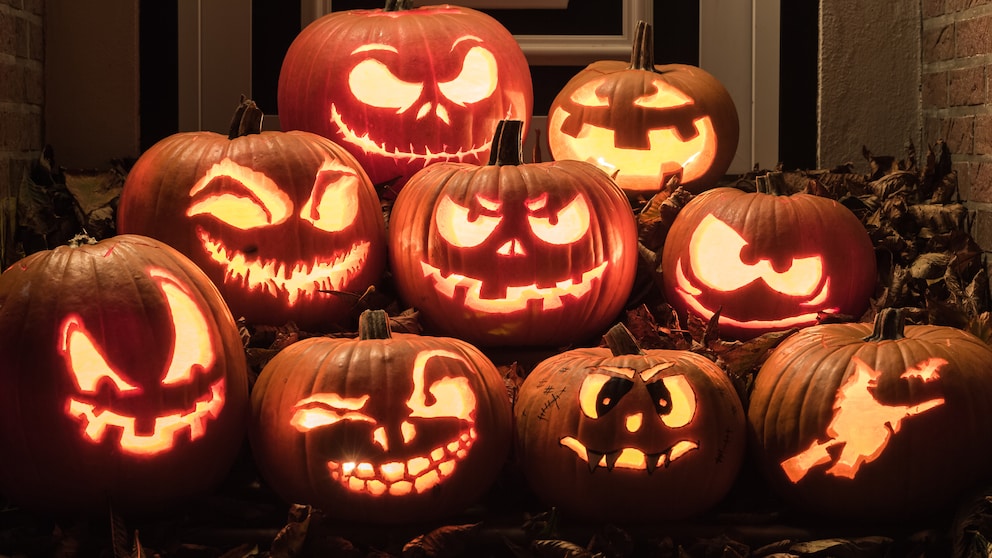
Halloween is just around the corner, bringing with it the time for spooky decorations. One of the most well-known creepy methods is carving sinister faces into pumpkins. Usually adorned with a tea light inside, they glow even more frighteningly on doorsteps. But why do we do this? Behind the glowing pumpkin faces lies the centuries-old tradition of Jack O’Lanterns, whose origin surprisingly has nothing to do with pumpkins.
Follow myHOMEBOOK on WhatsApp now
The Legend of Stingy Jack and the Glowing Ghost Lantern
The story of the Jack O’Lantern leads primarily to Ireland. It is linked to the tale of “Stingy Jack,” a miserly and cunning man who is said to have even outwitted the devil. According to a well-known version of the legend, Jack met the devil one evening and persuaded him to turn into a coin to pay for a drink. However, Jack put the coin next to a silver cross in his pocket, preventing the devil from returning to his original form. Only after the devil promised to leave Jack alone and not claim his soul did Jack release him.
Later, Jack is said to have tricked the devil once more. After Jack’s death, he was not allowed into heaven or hell. The devil gave him only a glowing coal to light his way through the darkness. Jack placed it in a hollowed-out turnip and is said to have wandered with his lantern ever since. “Jack of the Lantern” eventually evolved into the term “Jack O’Lantern.” The story is told in various versions with minimal differences.
The Halloween Pumpkin Was Originally a Turnip
Halloween itself also has a long history. Its origins are often associated with the Celtic festival Samhain, which marked the transition from summer and harvest time to the dark season. In Ireland, turnips and other root vegetables were later hollowed out and sometimes adorned with frightening faces. The carved lanterns were meant to ward off unwanted and wandering spirits. The tradition is thus much older than the now typical orange Halloween pumpkin.
But why were turnips used? The answer is relatively simple: turnips grew abundantly in Ireland and Britain and were easy to hollow out and use as lanterns. In addition to turnips, other root vegetables were used regionally.
How Did the Turnip Eventually Become a Pumpkin?
The tradition underwent a significant change when Irish immigrants brought it to the U.S. in the 19th century. There, pumpkins were widespread and, due to their size and texture, much easier to hollow out and carve than the relatively small and hard turnips. Gradually, the pumpkin became the preferred Jack O’Lantern. From North America, the glowing pumpkin head eventually became one of the most recognizable symbols of Halloween. This also explains why pumpkins are now placed on doorsteps, even though the original Jack O’Lanterns were not pumpkins.
Also interesting: If you love pumpkin, you should know this trick for cutting it
Why Is There a Light in the Halloween Pumpkin?
The light is not merely decoration; it is part of the legend of Stingy Jack. In the story, it is the glowing coal that Jack carries in a hollowed-out turnip to light his way as he is doomed to wander through the darkness. At the same time, hollowed-out turnips could practically be used as lanterns. The light shone outward through the carved openings or faces. Over centuries, the once turnip lantern evolved into the illuminated pumpkin, which is now an indispensable part of Halloween.