


March 12, 2026, 12:45 pm | Read time: 3 minutes
The temperatures are still cool, and at night they can drop well below 45 degrees Fahrenheit—yet the balcony doesn’t have to remain bare. There are hardy, low-maintenance plants that can handle these conditions effortlessly and bring color outdoors even now. myHOMEBOOK gardening expert Franka Kruse-Gering names three suitable types for an easy start to the balcony season.
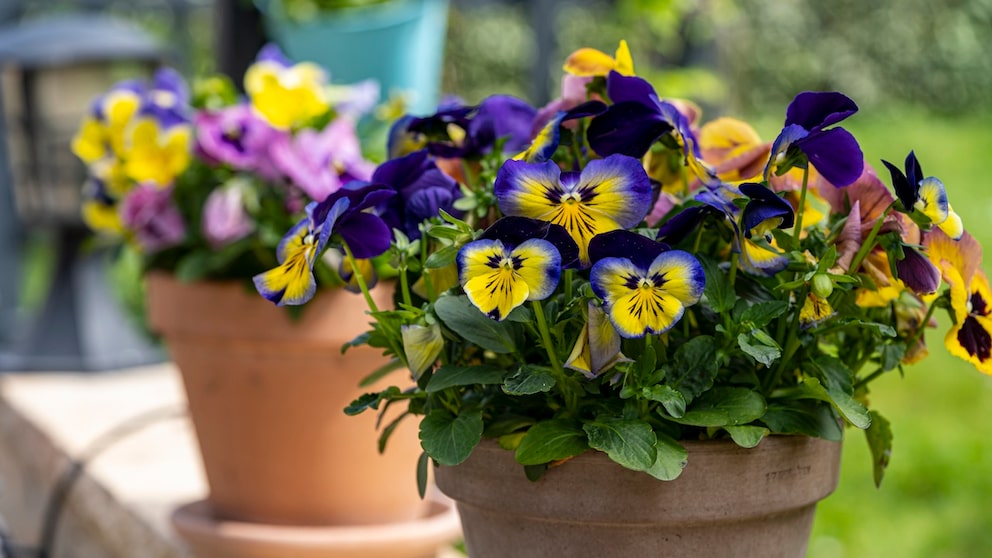
1. Horned Violets
Horned violets are considered particularly easy to care for and bloom persistently until early summer. They handle temperatures around freezing well and can even tolerate light frost. They thrive best in a sunny to partially shaded location. It’s important to have evenly moist but not wet soil—waterlogging should be avoided at all costs. Regularly pinching off faded flowers encourages reblooming.
2. Primroses
Primroses bring vibrant colors to balcony boxes and pots, and are also cold-resistant. They prefer a bright but not fully sunny spot, with partial shade being ideal. The soil should be rich in humus and slightly moist, but not waterlogged. During the blooming period, an occasional, weak dose of fertilizer doesn’t hurt. Important: Primroses do not like dryness. The root ball should never completely dry out.

7 Colorful and Hardy Plants for Your Garden and Balcony

5 Plants Suitable for a South-Facing Balcony
3. Bellis

Bellis (daisies) are robust, weather-resistant, and particularly easy to care for. They handle low temperatures well and are excellent as fillers in balcony boxes. A sunny to partially shaded location is ideal. Watering should be moderate, as the rule here is also: better evenly moist than too wet. Removing faded heads significantly extends the blooming period.
Why Geraniums and Others Still Need a Break
Not all balcony plants are suitable for the start of spring. Many classic summer flowers, such as geraniums, petunias, or begonias, are sensitive to temperatures below 50 degrees and can be damaged by even light night frost. The problem is less the cool air and more the cold, persistently wet soil that stresses the roots. Those who opt for heat-loving types too early risk growth disturbances or total failures. Therefore, it’s wise to initially choose plants that are explicitly cold-resistant and plant more sensitive varieties only after the last late frosts.