


August 18, 2023, 3:31 pm | Read time: 4 minutes
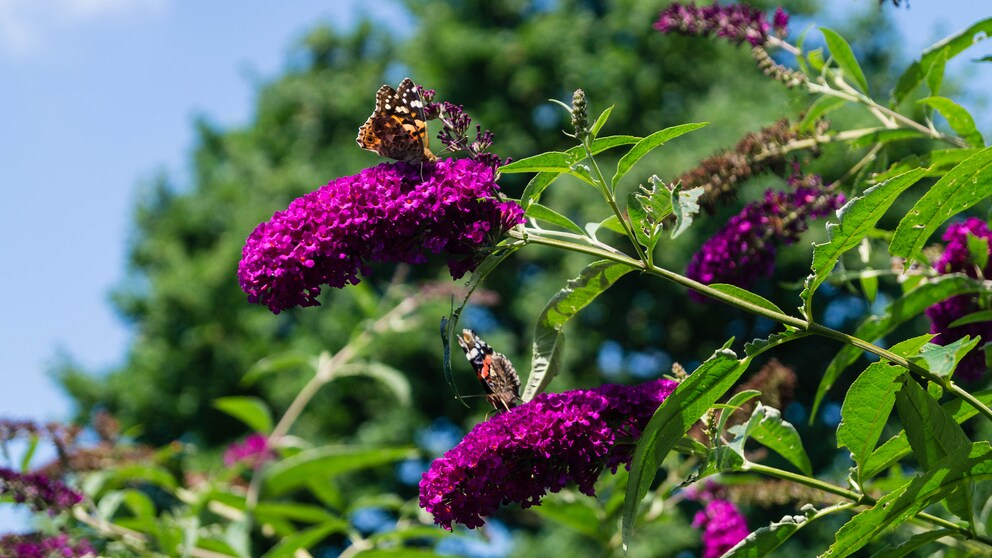
The butterfly bush is a true magnet for butterflies in the garden. Its appearance and easy-care nature make it a popular plant among hobby gardeners. Learn how to propagate it here.
One of the most popular flowering shrubs is the butterfly bush (Buddleja davidii). And not without reason: The plant is easy to care for, insect-friendly, and pleasing to the eye. To propagate butterfly bush, you can let nature take its course. With a bit of luck, the seeds will spread in the fall to suitable spots in the garden and grow into small plants. For those who are less patient, there are other ways to propagate butterfly bush. myHOMEBOOK presents five methods.
Overview
5 Ways to Propagate Butterfly Bush
1. Sowing
Butterfly bush can be propagated by sowing. In the fall, harvest the dried brown capsules and sift out the seeds. Over the winter, store the seeds in a dry, cool, and dark place, so you can plant them in seed soil in the spring. However, the offspring will not bloom true to type, meaning they will look different from the parent plant–which can lead to small surprises.
2. Hardwood Cuttings
To propagate butterfly bush using hardwood cuttings, cut one-year-old, strong shoots in late fall before the first frosts. If there are still leaves, remove them first. Then, shorten the branches to 20 to 25 centimeters. It’s important that there is a bud or a pair of buds at both the beginning and end. To avoid confusion about which end is up, you can slightly angle the lower end of the cutting.
Next, place the branches in loose soil at a semi-shaded and sheltered spot with the angled tip down. It’s important that only about a quarter of the cutting is visible. Additionally, the individual sticks should be about 15 centimeters apart.
Related: Pruning Butterfly Bush – 3 Mistakes That Harm the Plant
3. Softwood Cuttings
Butterfly bush is often propagated using softwood cuttings. For this, cut a non-woody, flowerless shoot. Ideally, cut the offshoots between June and mid-August, when the shoot tips are not too soft. Next, cut the cutting into pieces about eight to ten centimeters long–this gives you a tip cutting and several section cuttings.
Then remove the leaves at the lower ends, so they don’t end up in the soil later. Leave two to three leaves at the top. To promote the rooting process, cut the leaves in half. This way, the plant doesn’t have to put as much energy into the leaves and can focus on the roots.
For growing the cuttings, you can use small pots filled with two parts seed soil and one part sand. Then place an offshoot in each pot. To support rooting, you can cover the plant with foil–this keeps the humidity consistently high.
The leaves should not touch the foil, as this could cause rot. Once the cuttings show the first fresh shoots, you can remove the foil.
4. Seedlings
There is another simple method to propagate butterfly bush. For this, cut non-woody shoots in late summer and remove the lower leaves. Then place the seedlings in a glass of water. It’s important that none of the leaves touch the water to prevent rot. For this reason, you should also change the water frequently. Once roots have formed, you can plant the seedlings in small pots with soil.
Good to know: Whether seedlings, cuttings, or offshoots–they all essentially refer to the same thing: a part of the plant that can be separated to grow new plants.
5. Layering
Finally, you can also propagate butterfly bush by layering branches. In late summer, gently bend a non-woody branch to the ground. With a distance of about 15 centimeters, lightly notch the wood to facilitate rooting. Then cover the notched areas with soil.
To prevent the layered branch from springing back up, secure it–preferably with a hook or string. If all goes according to plan, roots will form in the soil, and seedlings will emerge, which can then be used to propagate the butterfly bush.