


June 9, 2023, 9:51 am | Read time: 4 minutes
The largest known ant colony stretches nearly 3,600 miles. It starts on the coasts of the Italian Riviera and extends to Spain. Fortunately, ant hills in your own garden don’t reach such proportions. However, they can be a nuisance, especially when ant trails lead into the house. With the right plants, you can repel these insects.
If an ant trail runs through your home, balcony, or terrace, it’s an eyesore for most people. And yet, ants are quite useful insects. They eat the eggs of various pests, for example. However, ants also promote the spread of aphids. Regardless of how you see it, you don’t need to resort to chemical means to repel them. Natural scents work too, and more effectively than you might think. To naturally repel ants, you can use the following plants.
Ants Have a Keen Sense of Smell
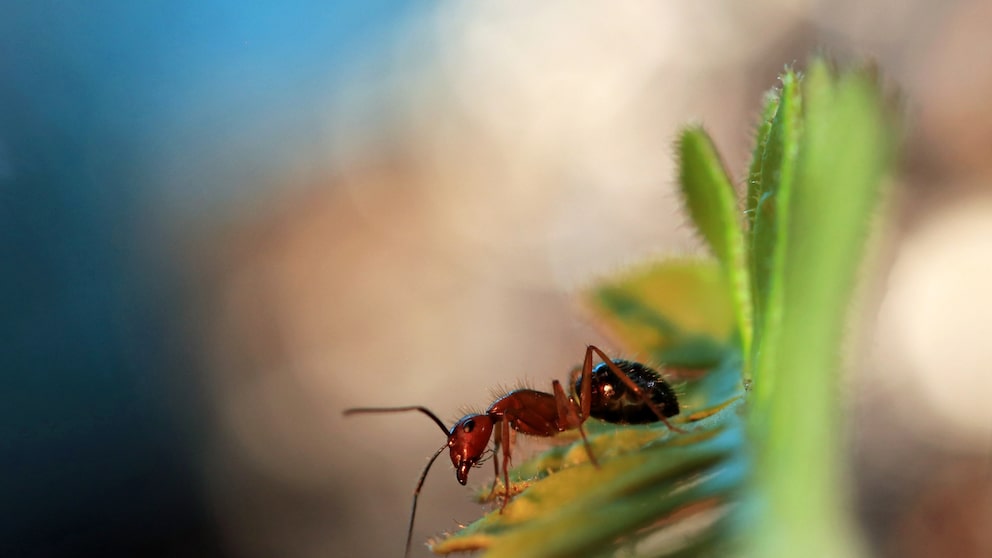
Ants don’t have a nose like humans or other mammals, but they can still “smell.” Their sense of smell is located just a few millimeters in front of their head—on their antennae. Ants use their antennae to navigate and detect scent sensors.
Researchers at the University of California, Riverside, found in a study that these insects have an extremely fine sense of smell. Ants can detect even the smallest differences at the molecular level. They use their keen sense of smell to distinguish ants from their own colony from outsiders. Hobby gardeners can also take advantage of the ants’ keen sense of smell to repel them.
Plants Ants Can’t Stand
To repel these insects, you don’t need to use chemicals; you can work with the right scent. Various plants emit a fragrance that ants can’t stand.
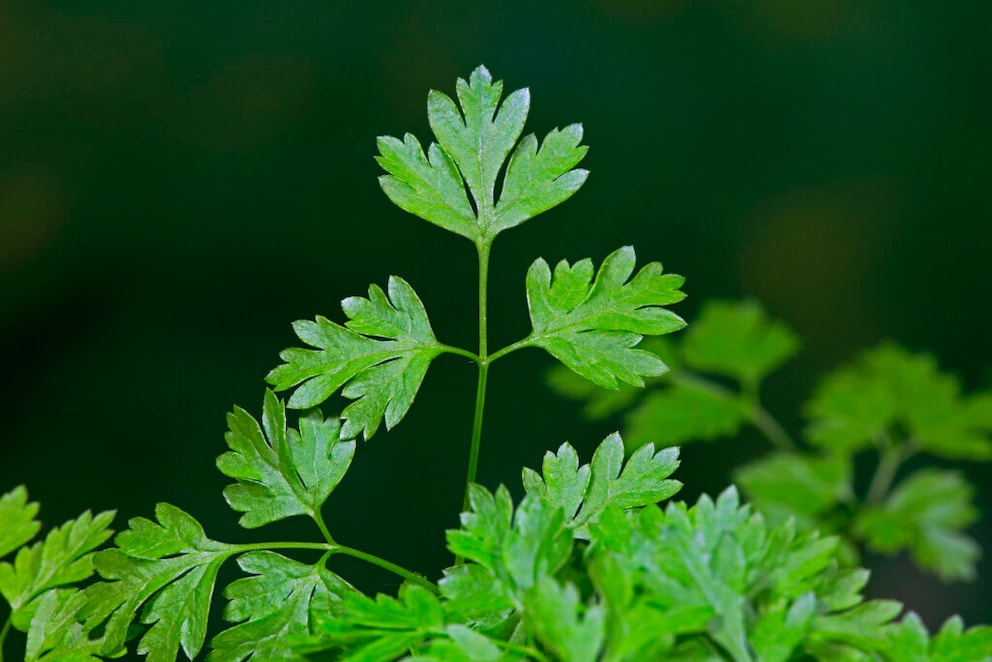
1. Chervil (Anthriscus cerefolium)
Chervil emits a sweet-spicy aroma. This culinary herb can enhance salads, soups, and poultry. If you grow the plant in your garden or on your balcony, you can also specifically repel ants. The insects are not harmed in the process. An additional plus: The herb is very undemanding, so there’s little you can do wrong in its care. Just keep an eye on the water supply. The soil should always be moist, but chervil does not tolerate waterlogging. It’s advisable to check if the top layer of soil is dry before watering.
2. Lovage (Levisticum officinale)
Lovage, also known as Maggi herb, has a distinct scent that ants dislike. Planting the herb in a bed or pot naturally repels these unwanted insects. An ideal location is sunny, but the plant also thrives in partial shade. The soil should always be kept moist. In a pot, it’s best to build a drainage system to avoid waterlogging and subsequent root rot. Lovage has a high nutrient requirement and should be fertilized regularly.
3. Lavender (Lavandula)
While people appreciate the scent of lavender, many insects, including ants, do not. It’s important that the plant is healthy and growing vigorously. The right location is crucial for this—it should be sunny and warm. Lavender grows best in nutrient-poor soils, so additional fertilization is not necessary. If you cultivate the plant in a pot, regular watering is important, but avoid waterlogging. Regular pruning helps maintain the plant’s compact shape and promotes blooming.
Also interesting: Flying ants in the garden—what’s behind it?
4. Thyme (Thymus)
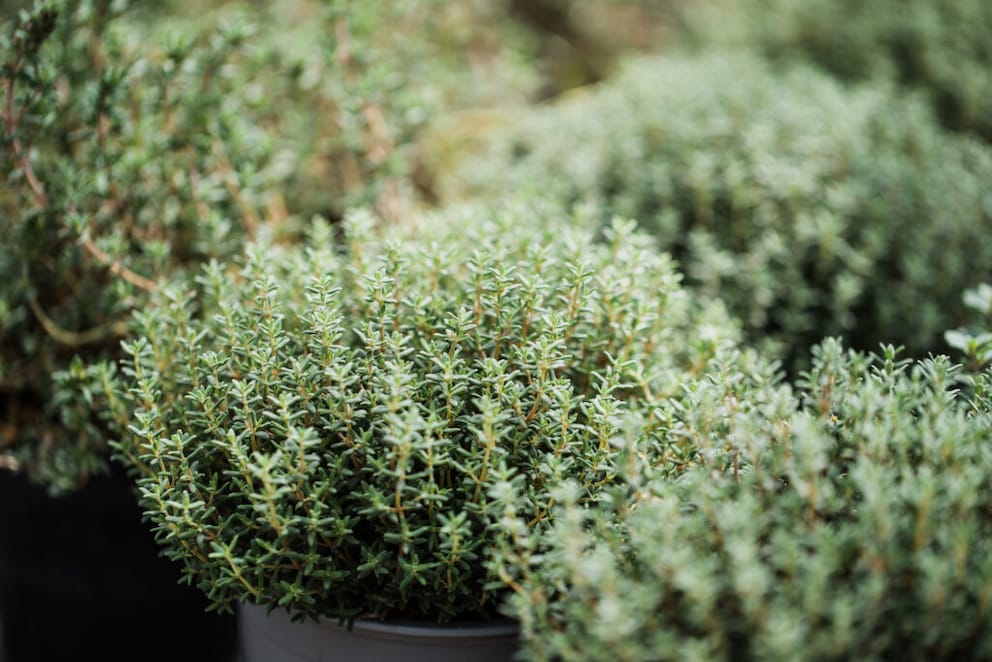
Thyme is often used in the kitchen and also serves a very valuable purpose in the garden. Its natural aroma repels ants. You can easily cultivate the herb in a pot to redirect ant trails on the terrace, balcony, or in the house. It’s important that the plant gets plenty of sun. Apart from that, thyme is a low-maintenance and easy-care plant. It only needs moderate watering, and you can largely skip fertilizing.
5. Sage (Salvia officinalis)
With its velvety soft leaves, violet flowers, and unmistakable scent, there are many reasons to plant sage in your garden or on your balcony. For instance, you can use the plant to repel ants. It’s best to place sage in a warm and sunny spot. The maintenance effort is manageable. You only need to water the plant during long dry periods. In spring, you can cover the bed with a layer of mulch. No further fertilization is needed.
6. Carnation (Dianthus)
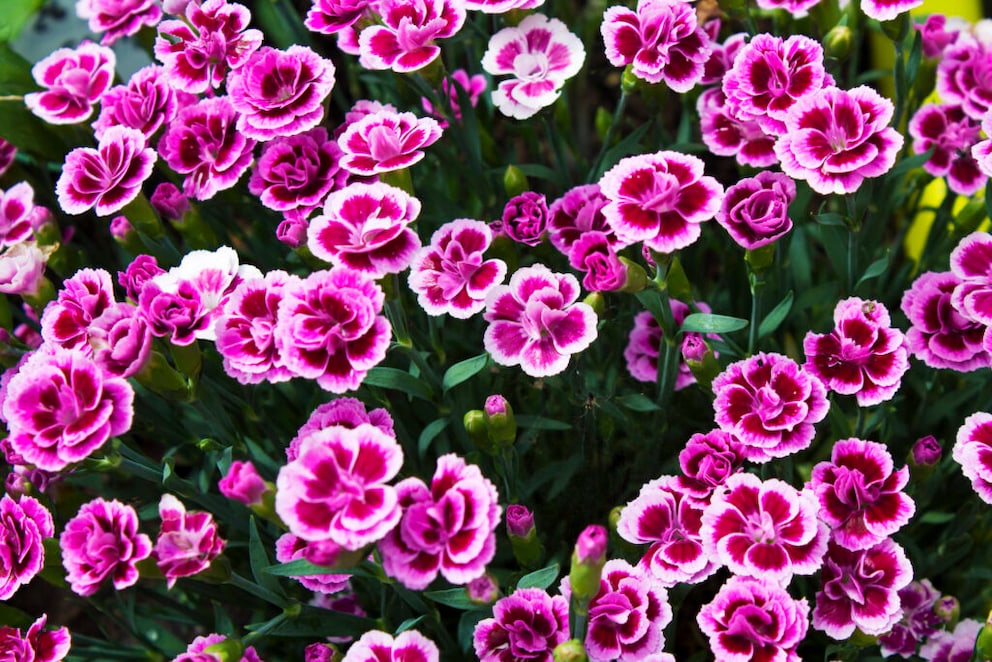
There are not only herbs but also flowers that ants dislike. Carnations are among them. The plants thrive in a sunny to partially shaded spot in the garden or on the balcony. The soil should be well-drained and relatively nutrient-poor. You only need to water carnations moderately, and they require little to no fertilization. Ideal bed partners include plants like lavender and sage—also plants whose scent effectively repels ants.