


May 4, 2023, 2:07 pm | Read time: 5 minutes
Think poisonous animals are only found in faraway countries? Not so! Even in German gardens, there are species that spread their venom through their teeth, hind legs, or hairs. Find out which animals you should avoid in this article.
Don’t underestimate animals based on their size. The smallest can be the most dangerous. Ticks, for example, prove this point. While the danger from these arachnids comes from the diseases they can transmit, there are also species you should avoid because of their self-produced venom. If you think poisonous spiders, snakes, and beetles only live in distant lands, think again. The following eight poisonous animals are also found in Germany.
Overview
7 Poisonous Animals Also Found in German Gardens
1. Viper

One of two poisonous snakes in Germany is the viper. The snake is particularly comfortable in the north, but it can also be found in parts of southern Germany. Hobby gardeners can recognize it by its distinctive zigzag pattern on its back. The viper’s venom is dangerous in two ways: It attacks the nerves and also breaks down the blood. If bitten by the snake, possible consequences include shortness of breath, heart palpitations, and paralysis. A doctor should be consulted in any case.
Related: What to do if you discover a snake in your garden?
2. Shrew

It may not look like it, but the shrew is also a poisonous animal. The water shrew and marsh shrew species produce venom in their lower jaw salivary glands. While the secretion can have paralyzing to deadly effects on frogs or fish, it is relatively harmless to humans. However, a bite is still painful, and the area around the bite wound swells.
3. Oil Beetle

Beetles can also be poisonous, such as the oil beetle. One of them contains enough venom to kill an adult human–but the venom must be injected into the bloodstream. In danger, the 10-millimeter insect only sprays a small amount of venom, which oozes from pores at its leg joints. The secretion is golden yellow and strongly resembles oil. Contact with humans can lead to inflammation, mucous membrane damage, or necrosis (cell death). Besides its deadly effect, the venom can also be used as a remedy.
The oil beetle particularly likes to stay near bees, where its larvae can feed on bee eggs and pollen. It is also found in orchards, dry grasslands, and heaths. The poisonous animal is endangered and is therefore on the Red List.
Also interesting: Plants for garden and home that smell good
4. Yellow-Bellied Toad

Yellow spots are rarely a good sign in the animal kingdom. The spotted pattern on the underside of the yellow-bellied toad rightly indicates that this amphibian is among the poisonous animals. It releases toxins through its skin. Although it irritates mucous membranes, it is relatively harmless to humans. The three to five-centimeter toad is found in central and southern Germany, where the strictly protected yellow-bellied toad inhabits streams, ponds, and floodplains.
5. Asp Viper

Without a doubt, this snake is also among the poisonous animals. The venom of the asp viper works similarly to that of the viper but is slightly stronger. Consequences can include shortness of breath or heart problems. If bitten by the asp viper, a doctor should be consulted. The 60 to 90-centimeter-long snake is found only in the southern Black Forest in Germany.
6. Nurse Spider

Many people find spiders creepy due to their appearance and quick movements. However, most species in Germany are harmless to humans–except for the nurse spider. Its claws can penetrate human skin. Bitten limbs can hurt for up to three days, and lymph nodes may also become painful after a bite. No far-reaching consequences are known, but it is still advisable to see a doctor.
Related: Two methods to gently get rid of spiders in the house
7. Fire Salamander

One of the best-known poisonous animals in Germany is the fire salamander. Its skin secretion causes only an unpleasant burning sensation in adults. Children are more sensitive to the venom, which can lead to vomiting, breathing difficulties, and nausea. Although the amphibian prefers moist mixed forests, it occasionally wanders into our gardens.
8. Oak Processionary Moth

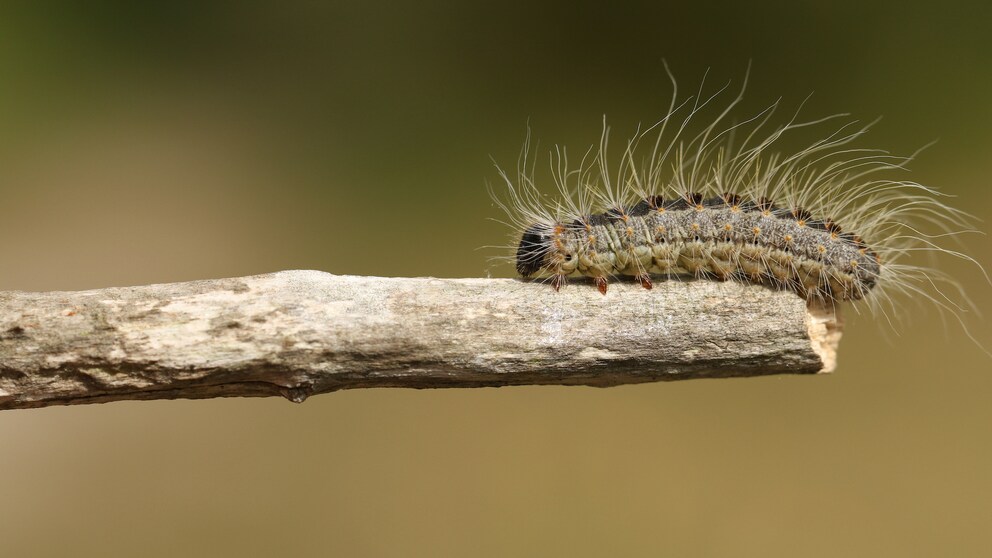
If you see these caterpillars crawling in the branches of trees in your garden, exercise extreme caution. The oak processionary moth caterpillars may be small, but they pack a punch. Their nearly 600,000 hairs contain the toxin thaumetopoein. A gust of wind is enough to blow these so-called stinging hairs away. Contact can lead to various reactions, including itching, shortness of breath, skin and mucous membrane inflammation, dizziness, fever, and in extreme cases, an allergic shock. The insidious thing about the hairs is that they can cause symptoms even years later.
If hobby gardeners spot an infested tree on their property, they should keep their distance. Under no circumstances should they attempt to remove the caterpillars themselves. It’s better to hire a professional. It’s also advisable to report the infestation to the local authorities or city.