


May 5, 2023, 3:12 pm | Read time: 5 minutes
A well-maintained and green lawn is the dream of many hobby gardeners. To achieve this dream, bare spots need to be repaired. To prevent birds from eating the fresh seeds, you can use the following methods to protect the grass seeds.
Hobby gardeners usually enjoy having birds in the garden. They are a sign of a healthy garden. Additionally, finches, sparrows, and tits eat all sorts of unwanted insects such as mosquitoes, wasps, or flies. This means: The more birds in the garden, the fewer crawling insects that not only bother the hobby gardener but could also harm the plants in the garden. However, birds are known to eat not only insects but also seeds. In this case, the birds can cause trouble by eating the freshly sown grass seeds. How to protect grass seeds from hungry birds is explained in this article.
Overview
Which birds eat my lawn?
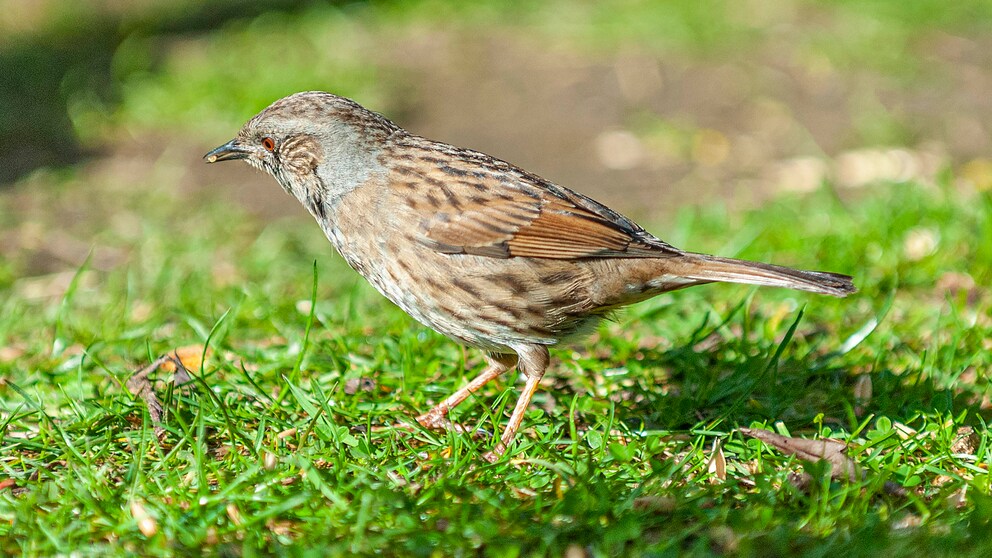
Not all birds are after our lawn. Generally, it’s the so-called “seed eaters” or “omnivores,” such as buntings, finches, or sparrows. Other birds, like the blackbird or the wren, are “soft eaters” and prefer worms or fruits.
How do I save my lawn?
Once you see the first birds pecking at the freshly sown lawn, stress can quickly set in. How do I scare away the birds? There are several methods that have proven effective in protecting grass seeds.
Also interesting: Renew damaged lawn in 6 easy steps
1. Fake predators
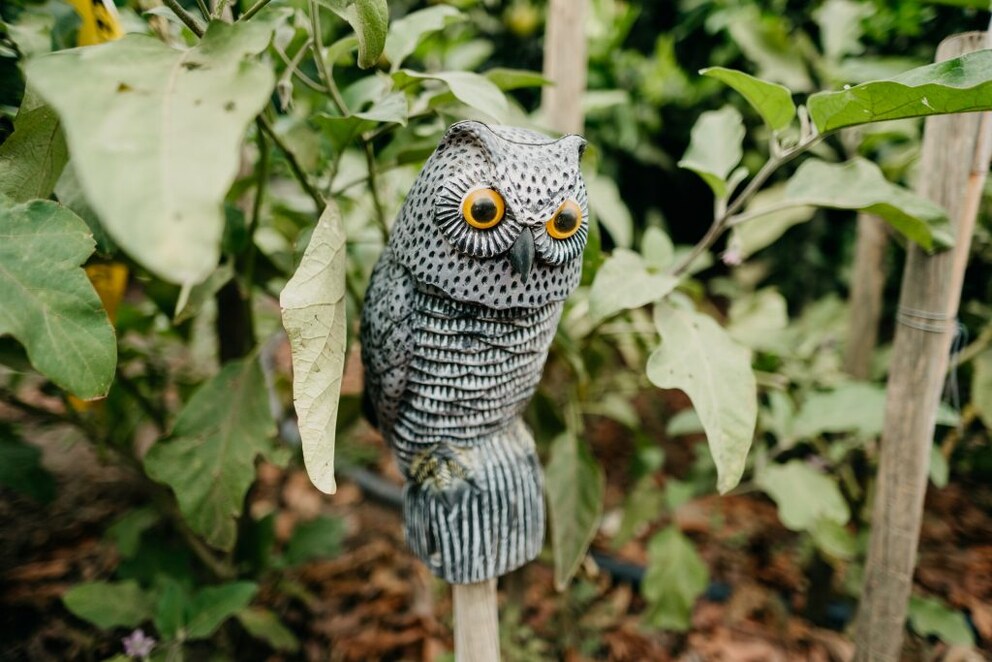
For centuries, they have been doing their job in our fields–why not in the garden too–the scarecrows. To get rid of seed-pecking birds and protect our grass seeds, we use a technique that has existed and proven itself for ages. We use fear. Birds are afraid of larger birds. You can place a plastic owl, a falcon, or even a rubber snake in the garden. However, the positions of the scarecrows need to be changed occasionally so the birds don’t get suspicious. The birds will avoid the garden, and the lawn can grow undisturbed.
Related: How effective are scarecrows in protecting the garden?
2. Use decoy bird food to protect our grass seeds
Pecking seeds from the ground is always an effort for birds, so if they have a tempting alternative, they will leave our seeds alone. A bird feeding station outside the freshly sown lawn is a good idea.
Related: A birdhouse that attracts birds
3. Cover the lawn
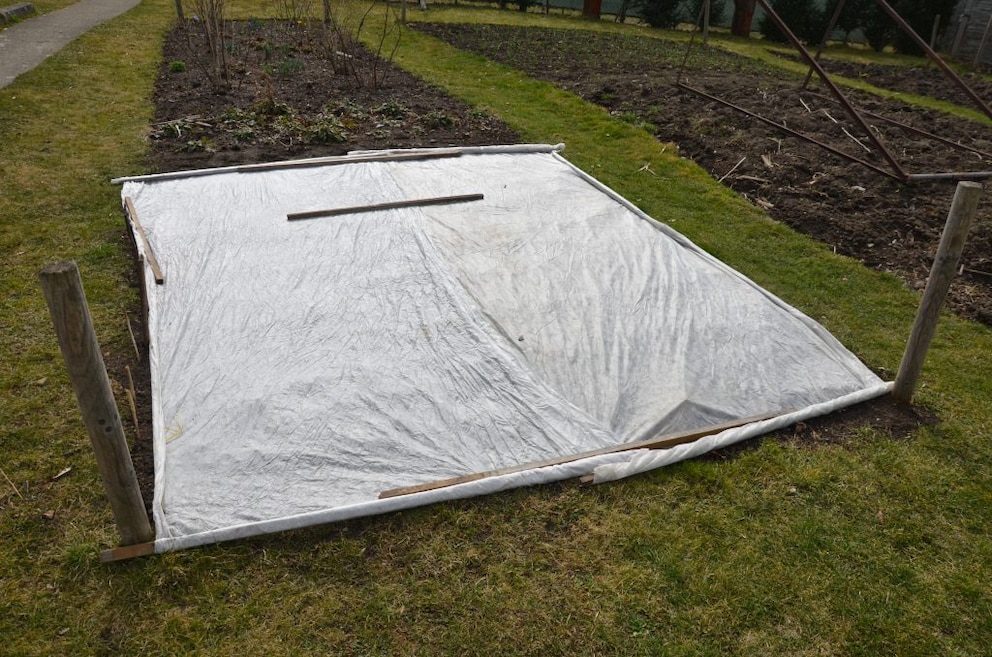
A very simple but effective method is to cover the freshly sown lawn. A bird protection net, garden fleece, or growth film is suitable for this. The advantage here is that the birds can no longer reach the seeds, but the sun can. These covers can be secured at the edges with pegs. It is advisable to place a few larger stones under the cover to create a gap between the ground and the cover.
4. Use a grass mat
A grass mat is a biodegradable mat made of cellulose, with integrated grass seeds and fertilizer. It is simply rolled out on a bare area and lightly covered with soil. This way, we don’t need to protect our grass seeds. The lawn can now grow undisturbed.
Also interesting: 4 possible reasons why the lawn isn’t growing
5. Mulch with hay or straw
Here, the seeds are placed about half a centimeter deep under the soil, then straw mulch is placed on top. Mulching helps against hungry birds and provides optimal conditions for germination, as it retains moisture and warmth in the soil. It also serves as a weed barrier, preventing weeds from sprouting before the grass.
6. Sod
The simplest method, but possibly also the most expensive, is sod. It is already grown and contains no seeds that birds could eat.
7. Use special grass mixtures
If you want to minimize effort, you can try special grass mixtures. The seed market is now well-stocked with seeds designed to prevent bird feeding. These are green-colored or contain so many seeds in the mix that even with some feeding, there are still enough left to grow a lush lawn.
8. Sand the lawn
Sanding the lawn can have various benefits. For example, it can improve heavy, clayey garden soil, as the sand enlarges the soil’s pores. This allows water and air to move better below the surface. Additionally, a layer of sand can protect freshly sown grass seeds from birds. It’s best to spread the sand with a shovel or spade. Then, the lawn should be swept with a broom. This serves two purposes: It distributes the sand across the entire lawn area and lifts flattened grass blades. However, sanding is not suitable for creating a new lawn area, but only for reseeding to fill gaps in the lawn.