


June 18, 2024, 3:38 am | Read time: 5 minutes
Under trees or in the shadow of buildings, plants often receive little sunlight. However, there are perennials for shade that thrive under these conditions. myHOMEBOOK introduces a few of them.
Large, shade-giving trees are welcome in our gardens, especially in times of climate change. While they are a real advantage on hot days, they can be a disadvantage for many plants. Sun-loving plants struggle in the shade of these trees, growing little and rarely blooming. Over time, they can even perish without enough sun. Fortunately, in nature, the area under trees is not barren, as there are plenty of plants that thrive there. There are also perennials for shade that can green up even the darkest corners of the garden.
Overview
Perennials for Shade
Sedge
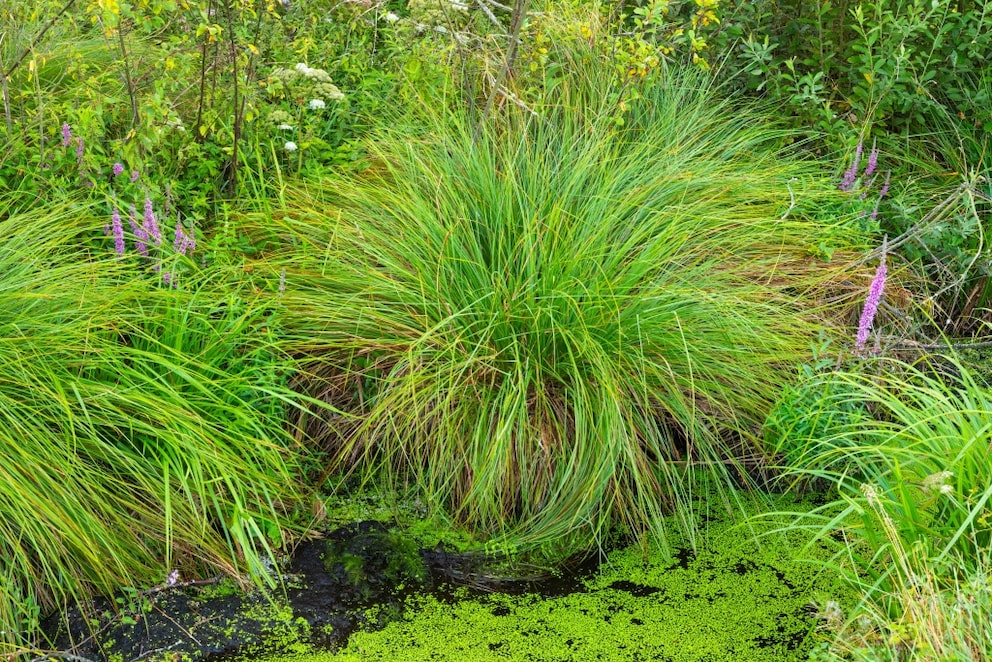
If you want to make your shaded bed more attractive with grasses, it can be challenging, as ornamental grasses often love the sun. Not so with sedge. It looks like a typical ornamental grass, but its leaf cross-section is triangular, and pith is visible in the center. This distinguishes sedge from pampas grass or feather reed grass. Sedges are very robust and tolerate almost any location, thriving well in the shade.
Related: What to consider when creating a shade bed
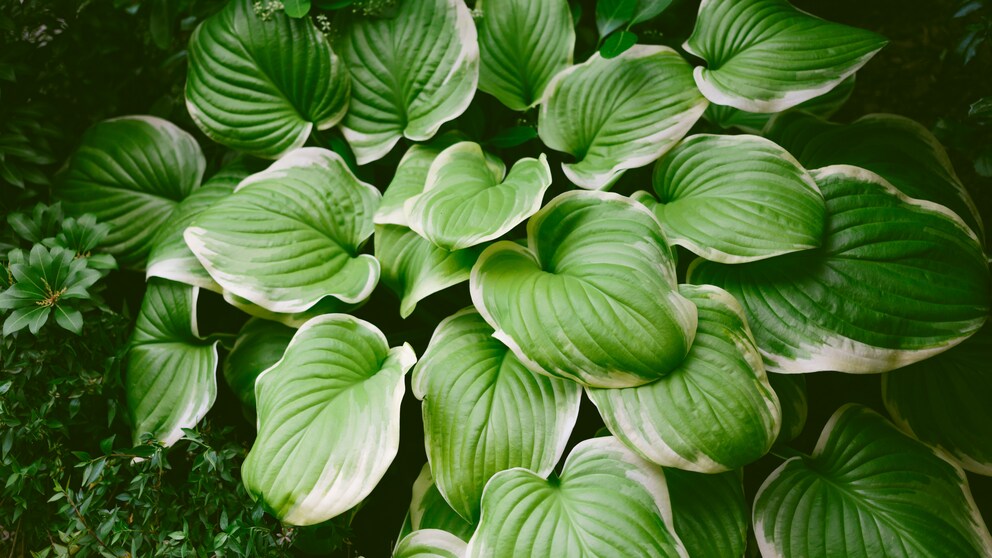
Hosta
Hostas are a must in any shade garden. The wide range of leaf colors, patterns, and shapes makes the hosta a particularly attractive perennial. The white or purple flowers are also a real eye-catcher in the garden.
Ferns
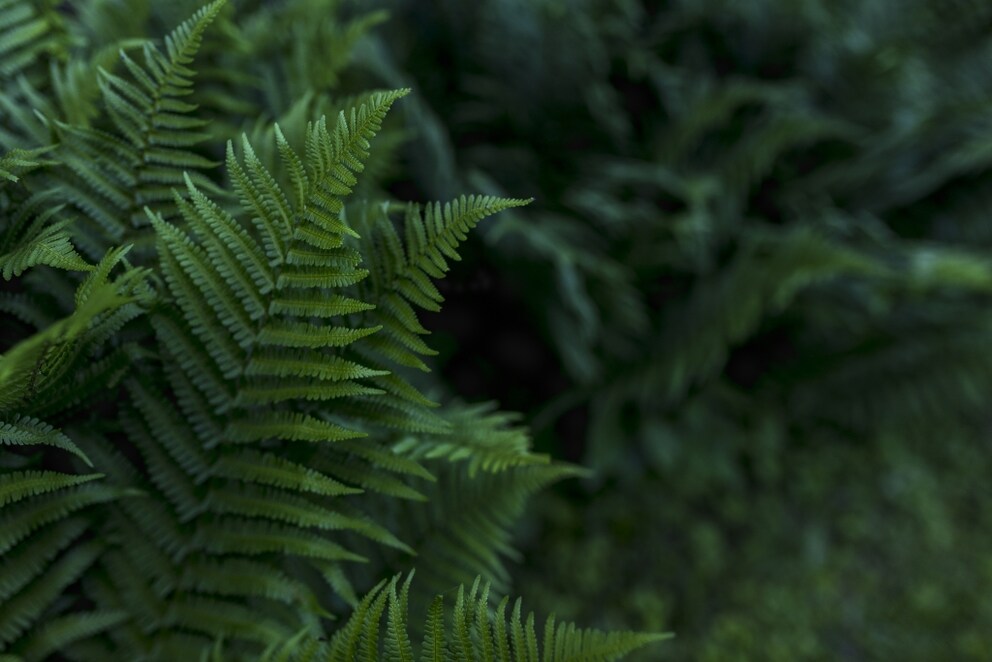
Anyone who has walked through a natural forest will have noticed the many ferns. No wonder, as ferns love shady spots under trees. This makes them ideal perennials for beds under large, shade-giving trees. With their green, feathery leaves, they green up places where other plants would have long since perished.
Christmas Rose
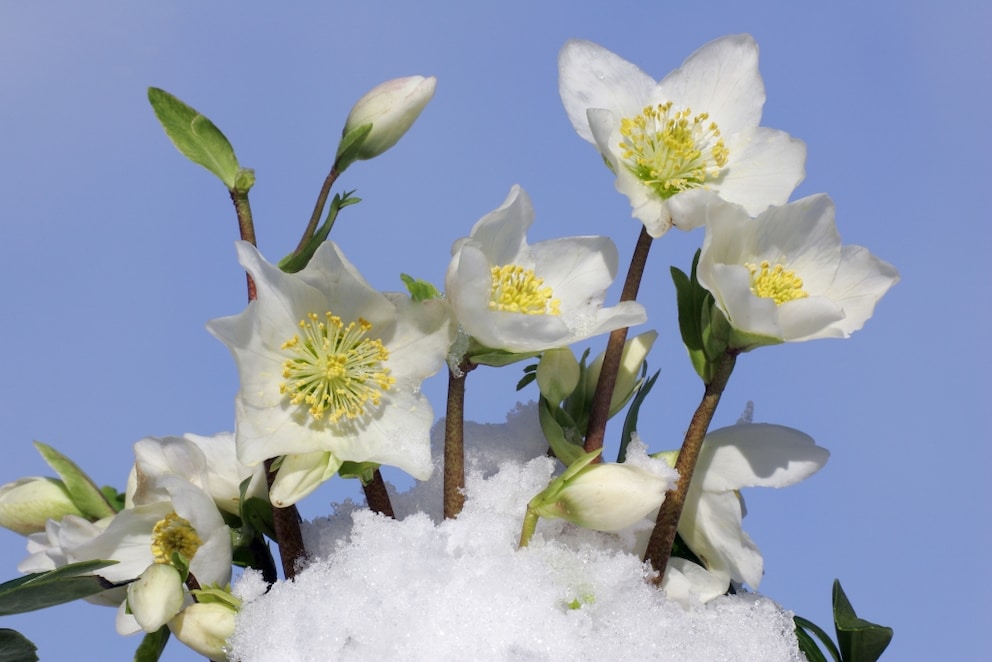
Christmas roses are popular blooming gifts in winter when only amaryllis or Christmas cacti are in bloom. The Christmas rose can be kept in a pot, but it also thrives in a winter shade bed. Here, it creates a festive atmosphere with its white flowers from November into the new year in an otherwise rather dreary garden.
Astilbe
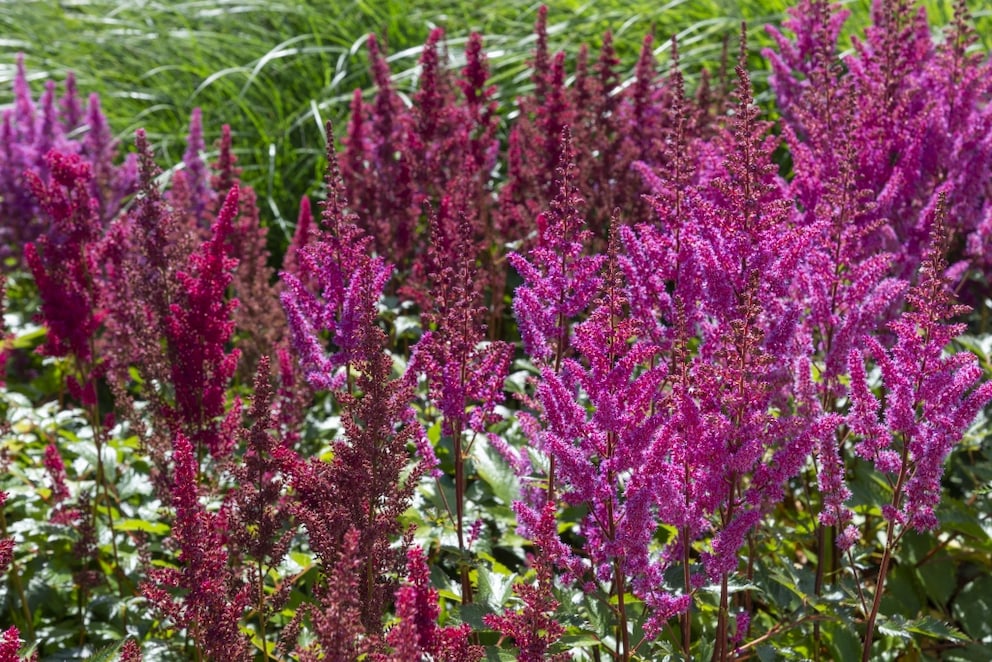
If you’re looking for a tirelessly and particularly splendidly blooming perennial for the shady areas of your garden, astilbe is the right choice. Also known as false goat’s beard, it comes in up to 35 species and varies mainly in height, flower color, and form. The blooming plumes of astilbe can reach up to 100 centimeters in height and come in colors like white, yellow, red, violet, and pink.
Masterwort
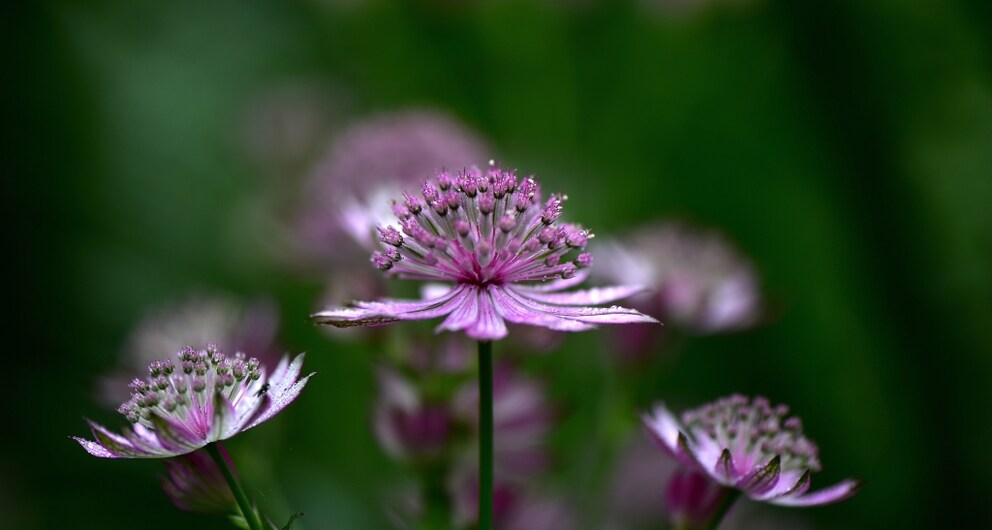
Delicate pink or bright pink in umbel form is what the masterwort offers. It feels particularly comfortable in shady locations, and the umbels stand out here with their color. The delicate flowers look like works of art. This shade-loving perennial is hardy and also found as a wild plant in Europe, making it well-suited for gardens that are kept natural.
Wild Ginger

Among the tall perennials, the evergreen wild ginger makes a good ground cover. The herbaceous plant is notable for its striking leaf patterns on dark green, glossy leaves, which can be reddish at the edges. Besides its interesting appearance, wild ginger also offers a unique peppery scent.
Monkshood
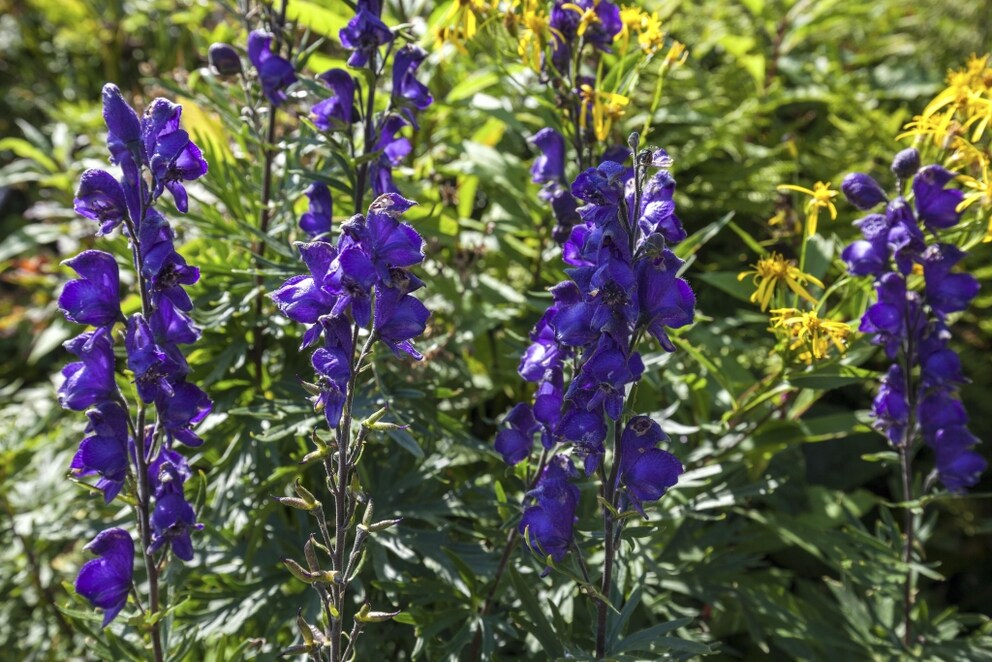
Monkshood is one of the most poisonous plants in the garden, so it should only be planted if children or pets do not regularly frequent the garden. Even brief skin contact can lead to poisoning. Aside from its toxicity, monkshood is a real visual delight and is one of the ideal perennials for shade. The bright blue flowers attract bees and are also a treat for the human eye.
Creeping Bugle
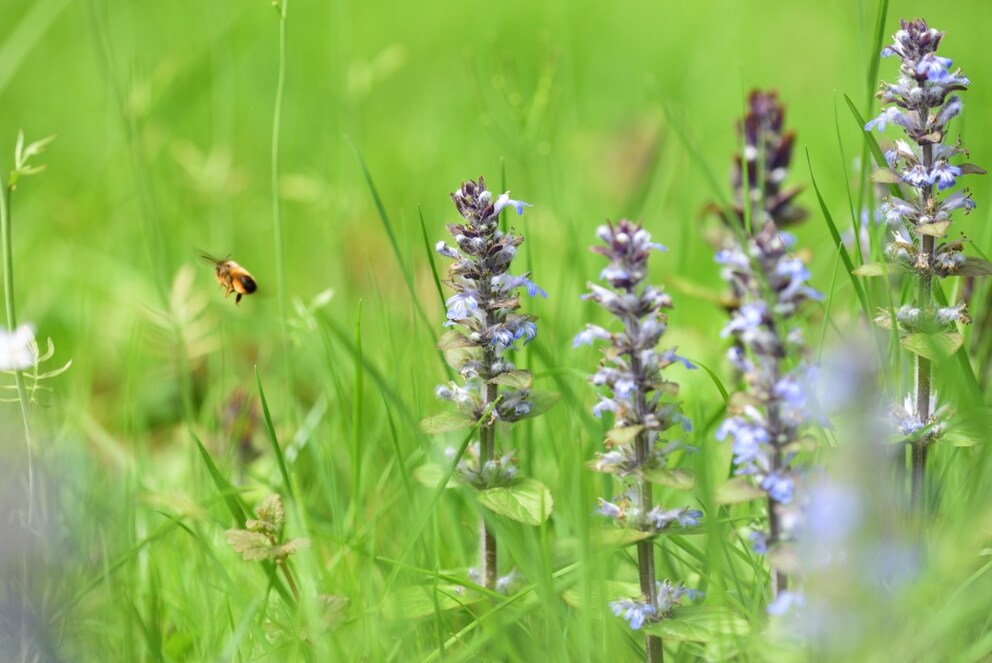
This wild perennial prefers a semi-shady to shady location, making it well-suited for planting under trees that occasionally let a few sun rays through. The creeping bugle is also a good, carpet-forming ground cover, producing violet flower spikes up to 20 centimeters long. The plant belongs to the mint family, which is immediately apparent from the lip-shaped delicate flowers.

Perennials Instead of Stones
“Many areas in front gardens are often rather shady. Here, the garage, carport, or even the house wall casts the garden in front of the house into darkness even during the day. Many homeowners want to keep this area low-maintenance and create so-called ‘stone deserts’ with gravel and other stones, where there is hardly any life. Shade-loving perennials create a refuge for bees and other pollinators here and are often even easier to maintain than a gravel bed, from which leaves and weeds must be regularly removed.”