


October 7, 2026, 10:19 am | Read time: 4 minutes
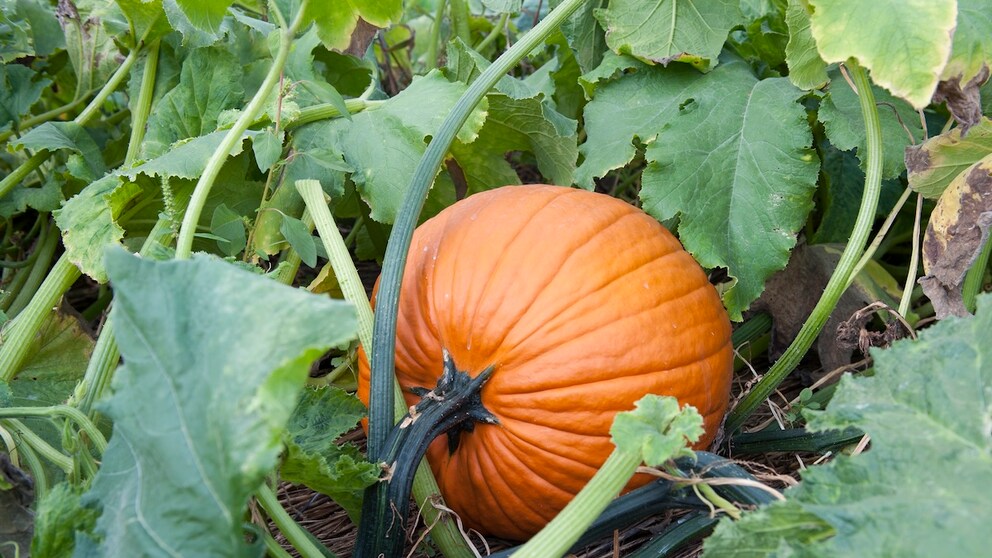
The pumpkins have been harvested, the vines are wilting, and the bed suddenly looks empty. Many hobby gardeners then wonder whether they need to remove the pumpkin plants at all or if the dead vines can simply remain until spring. The answer largely depends on whether the plants were healthy and what is planned for the bed in the coming months. myHOMEBOOK gardening expert Franka Kruse-Gering explains when the plants can stay and when they should be removed.
Follow myHOMEBOOK on WhatsApp now
Pumpkin Plants Don’t Necessarily Need to Be Removed
Leaving the plants in the bed after harvest is initially not a mistake. The dead vines and leaves decompose over time and return organic material to the soil. At the same time, the plant remains cover the soil and can protect it from severe drying and weather influences.
However, the often meter-long and sturdy vines decompose slowly. As a result, the bed remains occupied for months and can only be used to a limited extent for other crops or green manure.
When It’s Sensible to Remove the Plants
At the latest, if the pumpkin plants were affected by diseases, cleaning up is usually the better choice. If the leaves show signs of mildew, rot, or other fungal diseases, the plant remains should be removed after harvest. This reduces the risk of pathogens remaining in the bed. The affected plant remains can be disposed of in household waste or green waste.
Also, if you want to use the area for other purposes over the winter or prepare it for the next gardening season, removing the vines quickly creates space.
Also interesting: Caution! Always taste pumpkins from the garden first
What Can Happen to Healthy Plant Remains
If pumpkin plants remain healthy until harvest, their vines and leaves don’t have to end up in the trash. Instead, the plant remains can be usefully reused in the garden. On the compost, earthworms, microorganisms, and other soil organisms gradually decompose the material. This creates valuable humus, which later benefits beds and planting areas.
Since pumpkin plants often form long and sturdy vines, chopping up the vines accelerates the decomposition process. At the same time, the material can be more easily distributed and processed.
Even directly in the garden, the plant remains can still serve a purpose. As a mulch layer on bare beds or under shrubs, they protect the soil from heavy rain, drying, and extreme temperature fluctuations. As the material slowly decomposes, soil organisms gradually return the contained nutrients to the natural cycle.
How to Make Old Soil Fertile Again
How to Fertilize Potatoes Properly for Healthy Plants and Abundant Harvests
Preparing the Bed for Next Year
Those who remove the pumpkin plants after harvest can immediately prepare the free space for the next gardening season. This is particularly worthwhile because pumpkins, as heavy feeders, absorb many nutrients from the soil during their growth. After the harvest, the bed often benefits from some additional care.
First, mature compost can be worked into the topsoil. This returns organic matter and essential nutrients to the soil. At the same time, compost improves soil structure and promotes soil life.
Subsequently, green manure can follow. For this, plants are sown that are not harvested but cover the soil over fall and winter. With their roots, they loosen the soil, protect it from compaction, and help retain nutrients in the bed. The closed plant cover also prevents heavy rains from washing out or silting the soil.
Many green manure plants also produce abundant leaf and root mass. If left to rot on the bed or worked in shallowly in spring, the humus content of the soil increases. This benefits the plants that are to grow there in the next season.
Related: The Benefits of Green Manure for the Garden
For sowing after the pumpkin harvest, plants such as phacelia, mustard, or winter rye are suitable. If you don’t want to sow green manure, you can at least mulch the bed with a layer of leaves or other organic material. This also keeps the soil protected and reduces drying.
Thus, the former pumpkin bed ensures that the next gardening season can start under the best possible conditions even after the harvest.
Pumpkins Shouldn’t Grow in the Same Place Every Year
After the harvest, it’s also worth considering the next gardening season. Pumpkins, zucchinis, cucumbers, and melons belong to the same plant family. If they are repeatedly grown in the same spot, diseases can spread more easily, and the soil becomes unilaterally stressed.
Therefore, it is usually sensible to change the location next year and plant other types of vegetables in the former pumpkin bed.