


February 25, 2026, 1:16 pm | Read time: 2 minutes
A simple garden trick is circulating online: Placing a copper coin in a birdbath is said to help reduce algae formation. This is actually due to a chemical effect. However, an expert advises against this practice.
Why Do Some People Put a Copper Coin in the Birdbath?
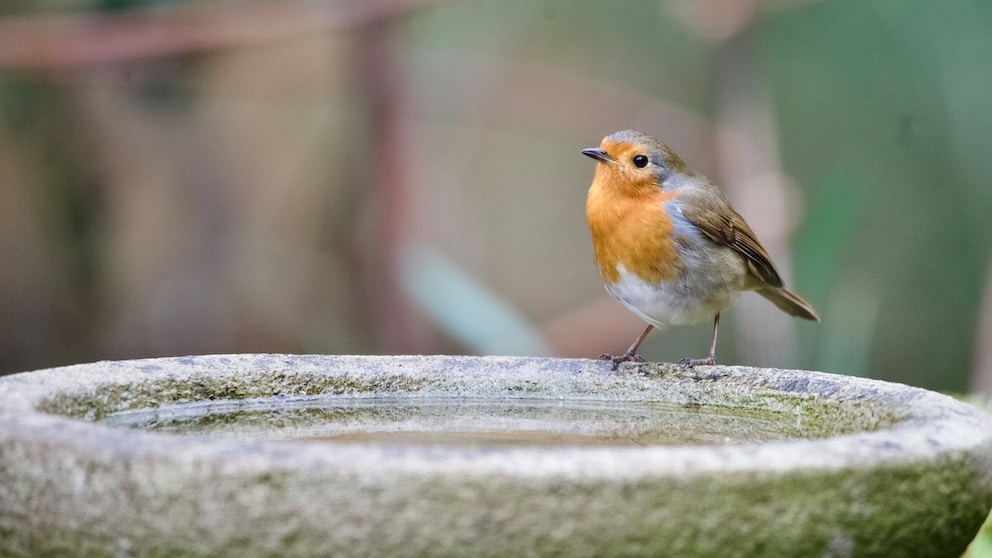
A birdbath in the garden or on the balcony is an important water source for many native bird species—not just in summer. However, algae can form in standing water over time. To delay this, placing a copper coin in the water is suggested. This practice is recommended by garden expert Sam Stevens on the news site Daily Express.
The idea behind it: Copper has an algae-inhibiting effect. The metal is considered a biocide—a substance that can inhibit the growth of microorganisms such as algae, bacteria, or fungi. Small amounts of copper ions can dissolve in the water, which are toxic to algae and slow their growth.
Also interesting: Setting Up a Birdbath—3 Common Mistakes
Does It Really Work?
Indeed, copper can, in certain concentrations:
- Damage algae cell walls
- Disrupt photosynthesis
- Interfere with enzyme processes
This slows down algae growth. However, it cannot be completely prevented. Additionally, the 1-, 2-, and 5-cent coins commonly used in Germany are not pure copper coins but consist of an iron core with a copper coating.
Bird Bath on the Balcony – Guide and Tips
Simple Trick Keeps Birdbath Ice-Free in Winter
Conservationist Advises Against Copper Coins in Birdbaths
From a conservation perspective, the trick is not recommended. “We do not recommend placing copper coins in birdbaths,” says Silvia Teich, press spokesperson at NABU, in response to a myHOMEBOOK inquiry. “Cleanliness is very important for a birdbath to prevent the spread of diseases through the baths. Therefore, the baths must be cleaned daily with a brush and filled with fresh water.” This way, algae cannot form in the first place.
Teich points out another issue, however. According to the expert, “Algae are certainly not the biggest problem in birdbaths.” Rather, it is the germs that quickly multiply in standing water.
What Really Matters in Birdbaths
Hygiene is crucial for the health of the animals:
- Change water daily
- Thoroughly clean the bath with a brush
- Do not use chemical additives
- Use shallow, easy-to-clean containers
Even though copper generally has an algae-inhibiting effect, conservation experts advise against placing coins in birdbaths. The key is not a supposed trick but consistent cleaning and fresh water.