


July 29, 2025, 1:02 pm | Read time: 3 minutes
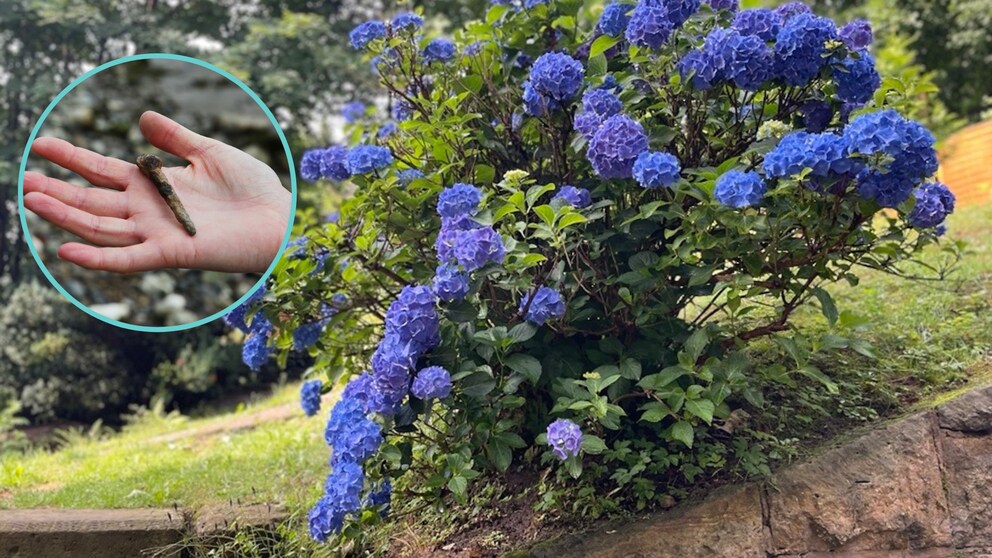
An old gardening trick from grandmother’s time suggests that rusty nails can enhance the blooming of hydrangeas, especially the blue color. The idea is that when rusty nails are buried in the soil, they release iron, which the plant absorbs. This additional iron content can help intensify the blue blooms of the hydrangea in the following year, as they often fade otherwise. Despite the somewhat unusual method, it has retained its practical relevance for many gardeners to this day.
Do Rusty Nails Really Enhance Hydrangea Blooms?
In fact, the iron or aluminum content in the soil affects the flower color, as the Chamber of Agriculture of Lower Saxony writes. However, simply burying rusty nails and hoping for abundant blooms is not enough. Other factors also play an important role.
First, the pH level of the soil is crucial for the color of the blooms. Only if the soil is acidic can the roots absorb the dissolved iron and aluminum ions. If the pH level is in the alkaline range, the metal particles remain in the soil.
What Is Needed for Blue Hydrangea Blooms?
Rusty nails alone do not guarantee colorful blooms. More importantly, several other conditions must be met. These include:
An Acidic Soil
If the pH level is below 5, the blooms have a strong blue hue. At a level of 5.5, the color shifts toward blue-pink, and above 6, the blooms are pink. Leaves or pine needles help naturally lower the soil’s pH level. Special rhododendron soil is also available for purchase. However, hobby gardeners will still struggle with clay soil, as it is rarely acidic.
Alum Instead of Iron
Even though rusty nails can lead to more vibrant blooms with the right soil conditions, experts from the Chamber of Agriculture of Lower Saxony say aluminum works better. Gardeners therefore use potash alum—also known as aluminum potassium sulfate dodecahydrate. Four grams of the substance are enough for a liter of soil, and an additional three grams are added to a liter of watering water. As soon as the first signs of blooms appear, alum should be administered to ensure even color development. Experts recommend applying alum four times between May and June.
The Right Variety
The trick doesn’t work with all hydrangea varieties, as not all can change their color. It is said to work well with varieties that have pale pink blooms, such as “Endless Summer.” Special cultivars with pink blooms, like the mophead hydrangea “Masja,” will not show any color change.