


April 21, 2026, 4:14 am | Read time: 3 minutes
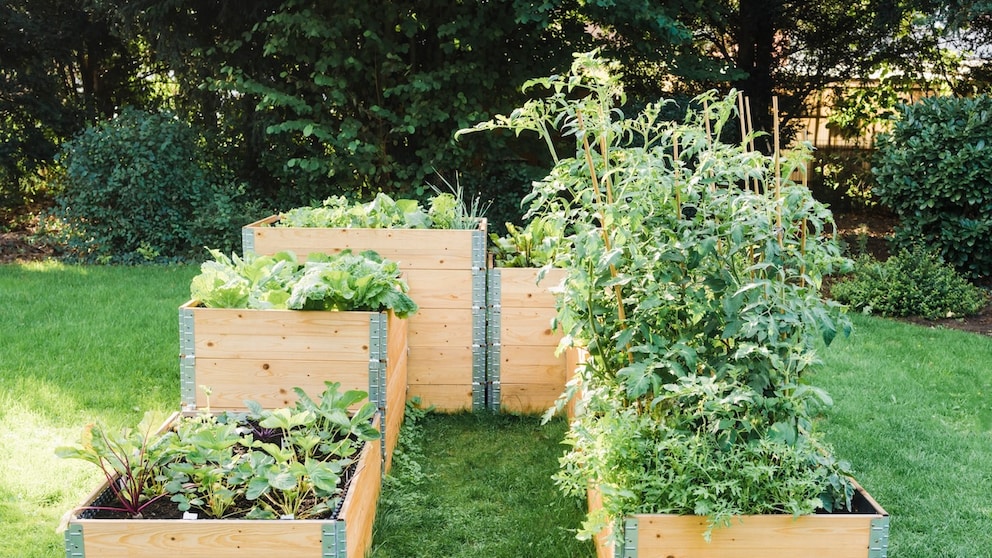
Raised beds are all the rage among hobby gardeners. Thanks to their clever design, you can grow vegetables with higher yields while being easy on your back. However, a closer look reveals a significant difference between the available raised beds: Some measure about 30 centimeters, while others reach up to a meter. This is not just a matter of comfort. The height of the raised bed can significantly affect plant growth.
Why Low Raised Beds Are Problematic
A key feature of a classic raised bed is its layered structure of organic material. This layering provides nutrients, warmth, and good soil aeration. But it requires sufficient depth. “A raised bed should be layered with various organic materials, and 30 centimeters simply isn’t enough space,” explains Burkhard Bohne from the Leibniz Institute of Vegetable and Ornamental Crops (IGZ) in response to a query from myHOMEBOOK.
Additionally, many plants root deeper than you might think. “The normal root space goes 30 to 60 centimeters into the ground—depending on the plant,” says the head of the IGZ experimental farm. This is especially evident with vegetables like carrots: “With 30-centimeter raised beds, you’re not well-equipped at all.”
And don’t forget: The layers of a raised bed also act as a water reservoir. In low raised beds, the water capacity is low. “You have to water constantly.”
The Ideal Height for a Raised Bed
For these reasons, Bohne recommends a clear minimum height for raised beds: “At least 60 centimeters, but 90 is better.” A taller bed offers several advantages. It can hold more organic material, positively affecting water balance and nutrient supply. Additionally, plants benefit from an even distribution of these nutrients.
Another effect is the so-called decomposition heat. The decomposition process inside the raised bed generates warmth, which is particularly helpful for sensitive plants. “This decomposition process generates heat. That’s extremely important,” says the expert. He adds, “Mediterranean herbs, for example, can grow earlier and still benefit in the fall.”

Pros and Cons of Gardening in Raised Beds

Square Foot Gardening: Small Plots for Diverse Harvests
When Low Raised Beds Can Still Work
Low raised beds aren’t entirely useless. It depends on where they’re used. If the bed is directly on natural soil, some of the missing height can be compensated. “You can dig 20 to 30 centimeters down, then you have more layer height again,” Bohne explains. This way, water management can also improve. Rain can seep in, and waterlogging is avoided.
However, it becomes problematic with raised beds on solid surfaces like terraces or balconies. There, the contact with the soil is missing, and a shallow raised bed quickly becomes just a planter box. “It’s nothing more than a large flower pot.” The actual purpose of a raised bed cannot be fulfilled.
The Actual Purpose of a Raised Bed
Many hobby gardeners underestimate the true benefits of a raised bed, according to Bohne. It’s also about comfortable work, yes. But a raised bed has more to offer: “The layering initiates a decomposition process. It generates nutrients, enlivens soil organisms, and provides warmth.” Other advantages include better drainage. Only a raised bed with at least 60 centimeters offers these benefits.
The height of a raised bed is far more than a matter of aesthetics and comfort. It significantly determines how well plants grow, how often you need to water, and how effectively the natural processes inside the bed occur.