


August 10, 2026, 12:52 pm | Read time: 5 minutes
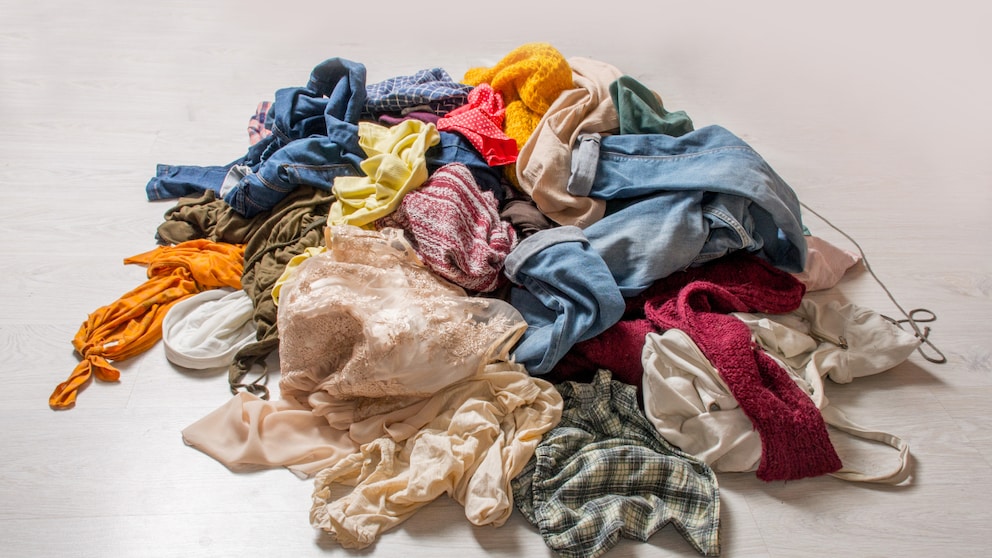
What is no longer needed in the household can still serve many purposes in the garden. Old T-shirts, bed sheets, or fabric scraps can be used as plant protection, moisture retainers, or natural weed barriers. Instead of being discarded, these materials gain a new function and help reduce waste. myHOMEBOOK presents eight simple ways to repurpose them in the garden.
Overview
- 1. Natural Plant Protection Against Sun and Frost
- 2. Suppressing Weeds Without Plastic
- 3. Trellis Supports and Gentle Plant Ties
- 4. Protection for Delicate Fruits
- 5. Irrigation Aid During Heat with Old Fabric Scraps in the Garden
- 6. Old Fabrics as Garden Cloths and Cleaning Rags
- 7. Winter Protection for Pots and Containers
- 8. Temporary Harvest and Transport Aid
- What to Consider with Old Fabric Scraps in the Garden
- Sew Sun Sails from Fabric Scraps–Simple Shade Provider for the Garden
1. Natural Plant Protection Against Sun and Frost
Old cotton fabrics, bed sheets, or linen are excellent for protecting sensitive plants. Loosely draped over young plants, they provide shade in strong sunlight and prevent the soil from drying out too quickly.
In fall or spring, fabrics protect against late frost–especially for tomatoes, pumpkins, or delicate perennials. Important: The fabric should be breathable and not rest directly on the shoots to avoid moisture damage.
Tip: Avoid fabrics containing plastic–natural fibers are more breathable and environmentally friendly.
2. Suppressing Weeds Without Plastic
Instead of mulch film, thicker fabric scraps or several layers of old rags can be laid out in the bed. They block light, giving weeds little chance to grow. Simply cover with soil, bark mulch, or straw.
The advantage is that cotton or linen fabrics decompose over time and do not pollute the soil with microplastics–unlike many cheap garden films.
3. Trellis Supports and Gentle Plant Ties
Trellis supports can also be improvised: fabric strips stretched between stakes or loosely woven around grids provide climbing plants with support. Another advantage is that fabrics are stretchable, giving plants room to grow.
4. Protection for Delicate Fruits
Strawberries, pumpkins, or zucchinis often lie directly on the ground and quickly rot when wet. An old rag under the fruit keeps it dry and clean. This is a real advantage during rainy periods–and much more sustainable than disposable underlays.
5. Irrigation Aid During Heat with Old Fabric Scraps in the Garden
Fabric scraps can help retain water in the soil longer. Simply place a rag around the root area and water thoroughly. The fabric stores moisture and slowly releases it to the soil–especially helpful for container plants or newly planted items.
6. Old Fabrics as Garden Cloths and Cleaning Rags
A classic but often underestimated: Old T-shirts or towels make perfect garden rags. They are suitable for cleaning garden tools, wiping flower pots, or covering the ground when kneeling during bed work.
After use, they can remain dirty–that’s exactly what they’re for.
7. Winter Protection for Pots and Containers
Container plants are particularly at risk in winter. Old blankets, wool scraps, or thick fabrics can be wrapped around pots to protect the roots from frost. Combined with bubble wrap or burlap sacks, they create effective, cost-efficient winter protection.
8. Temporary Harvest and Transport Aid
A larger piece of fabric can serve as a harvest mat: herbs, apples, or beans can be collected on it and–with the fabric gathered as a bag–also transported. Simply shake out or wash afterward–ready for the next use.

6 Tips to Avoid Plastic in the Garden

How to Beat the Heat in Your Bedroom
What to Consider with Old Fabric Scraps in the Garden
- Cleanliness: Fabrics should be free of oil, chemicals, or harsh cleaning agents.
- Material: Prefer natural fibers, use synthetic fabrics only selectively.
- Moisture: Regularly check fabrics to prevent waterlogging or mold.
Sew Sun Sails from Fabric Scraps–Simple Shade Provider for the Garden
Larger fabric scraps, old bed sheets, or discarded curtains can be easily turned into DIY sun sails. Especially on the balcony, over the sandbox, or over sensitive beds, they provide pleasant shade on hot days. To do this, the fabrics are first sewn together into a sufficiently large area–preferably with sturdy seams and slightly overlapping edges. Loops or metal eyelets can be attached to the corners and sides, through which ropes can later be threaded.
It’s important to stretch the fabric tightly to prevent water from collecting and to keep the wind from tearing it. Light, tightly woven cotton fabrics are particularly suitable, as they reflect light but remain breathable. As a temporary solution in summer, a self-sewn sun sail is not only sustainable but also surprisingly effective–and after the season, it can be quickly taken down, washed, and stored.

Fabric Scraps in the Compost?
“If you have uncolored, pure cotton or linen fabric scraps, you can mix them into the compost as a fiber additive. Colored fabric scraps or those with synthetic fibers are not suitable, as the plastic does not dissolve and dyes can be toxic to microorganisms. It’s best to cut the fabric scraps into thin strips so they decompose faster and mix them in sparingly.”