


December 18, 2025, 4:51 pm | Read time: 2 minutes
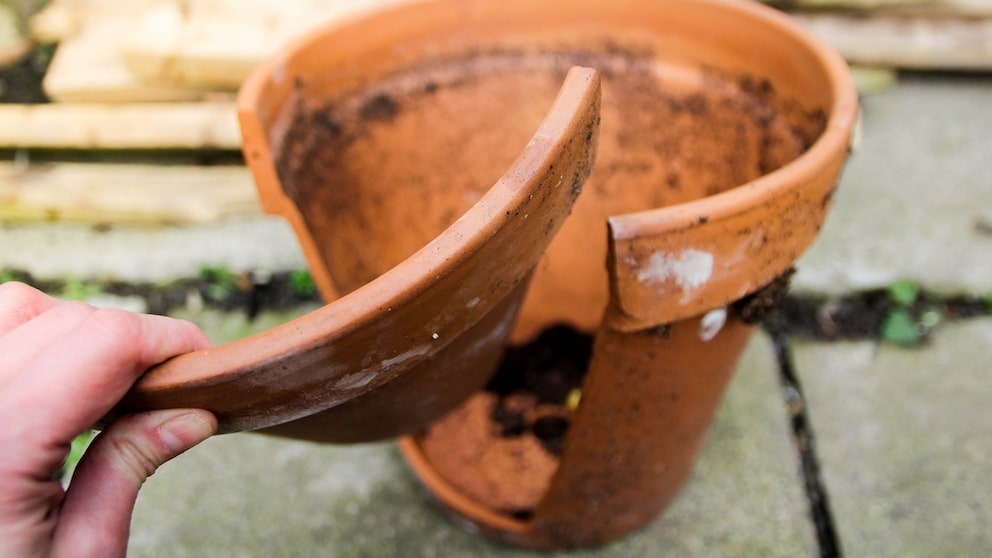
Planters enhance terraces, balconies, and gardens year-round. However, in winter, they face special challenges: frost, waterlogging, and freezing water can cause pots to crack or even break completely. myHOMEBOOK explains a simple yet highly effective trick to protect flower pots from frost damage.
Why Planters Can Crack in Winter
Planters often sit directly on the ground, where rain or meltwater accumulates. If this water gets under the planter or into the fine pores of the material, it freezes at subzero temperatures and expands. The resulting pressure initially causes hairline cracks, and later, entire pieces can break off. Pots made of terracotta, clay, or other porous materials are particularly affected.
Simple Trick Against Frost Damage in Flower Pots
An effective method is to slightly elevate the pot from the ground. Small feet or spacers are placed under the planter, creating a gap between the container and the ground. This allows water to drain freely, keeps the pot bottom drier, and reduces the direct impact of frost on the material. This small gap significantly reduces the risk of pots cracking due to freezing moisture.
Simple Trick Keeps Birdbath Ice-Free in Winter

6 Tips to Avoid Plastic in the Garden
Suitable Materials for Planter Feet
Weather-resistant materials such as stone, ceramic, or sturdy plastics are suitable for planter feet. Many garden centers offer special spacers, but simple alternatives like bricks or metal can also be used. It is important that they are stable and do not absorb moisture.
For Which Planters the Trick Is Especially Important
Planters made of clay and terracotta are particularly susceptible to frost damage because they absorb water and crack more easily. Concrete or stone troughs can also be affected if water settles in the material. Plastic planters are less sensitive but also benefit from better water drainage. The measure is generally recommended for all planters that overwinter outdoors.