


July 3, 2026, 1:18 pm | Read time: 2 minutes
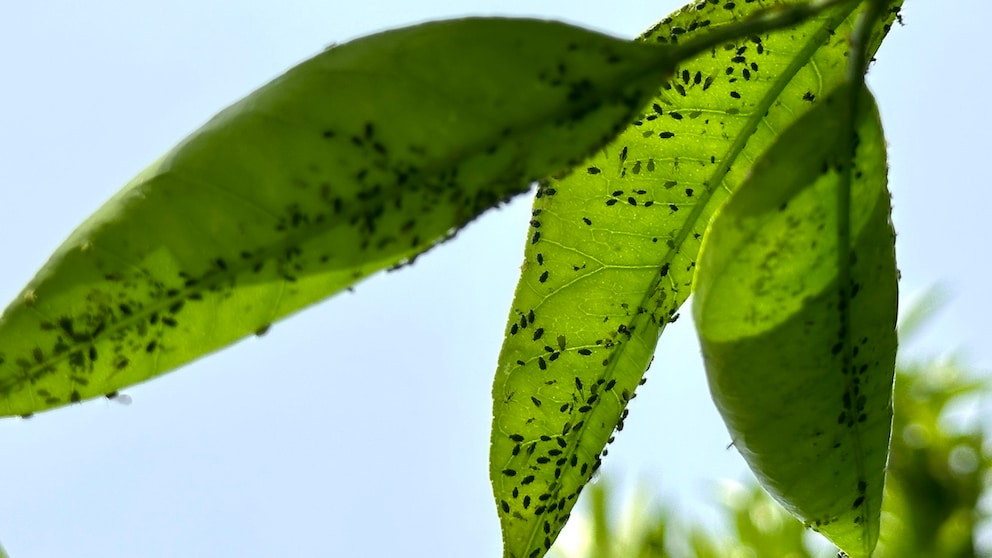
There are various tips for driving aphids out of the garden. However, sometimes it’s worth taking a closer look at typical care measures, as they can also be harmful. A common mistake literally attracts these pests to your plants.
Improper care of your garden plants can lead to various problems. One care measure that hobby gardeners often struggle with is fertilizing: sometimes it’s too much, sometimes too little, or sometimes the wrong nutrients. Using too much of a particular fertilizer can lead to an increase in aphids in the garden.
Fertilizers Can Lead to Aphids
Particularly heavy feeders, which have a high nutrient demand, should be fertilized regularly. Balanced fertilization is important. An error would be excessive nitrogen fertilization. Nitrogen fertilizer promotes plant growth. In itself, this is initially a desired effect. However, too much nitrogen fertilizer can cause plants to become leggy.
Excessive nitrogen causes plants to develop long, thin, weak, and often pale shoots. The nutrient promotes cell elongation and division, causing plants to shoot up. However, cell stability is neglected. Nitrogen only promotes the growth of above-ground plant parts. The roots do not grow faster and cannot supply the plant that has grown rapidly with enough water and nutrients.
Less water and fewer nutrients lead to soft plant tissue. This makes them more susceptible to diseases and pests like aphids. The plant pests can access the precious plant sap more easily through the fragile cell walls, further weakening the plants.
Avoiding Aphids in the Garden
If the damage is already done, you should now focus on getting rid of the aphids and strengthening the plants. Fertilizers with potassium and phosphorus are particularly valuable now, as these nutrients promote stability. Spraying the plant with milk can combat aphids. The white liquid prevents the pests from breathing.
To avoid this mistake that attracts aphids to the garden, hobby gardeners should ensure they fertilize their plants in moderation. Additionally, they should opt for balanced, organic fertilizers. The type and amount of nutrients a plant needs depend on various factors. Garden owners are advised to tailor fertilization measures to the needs of their specific plants in the bed.