


December 13, 2025, 11:17 am | Read time: 4 minutes
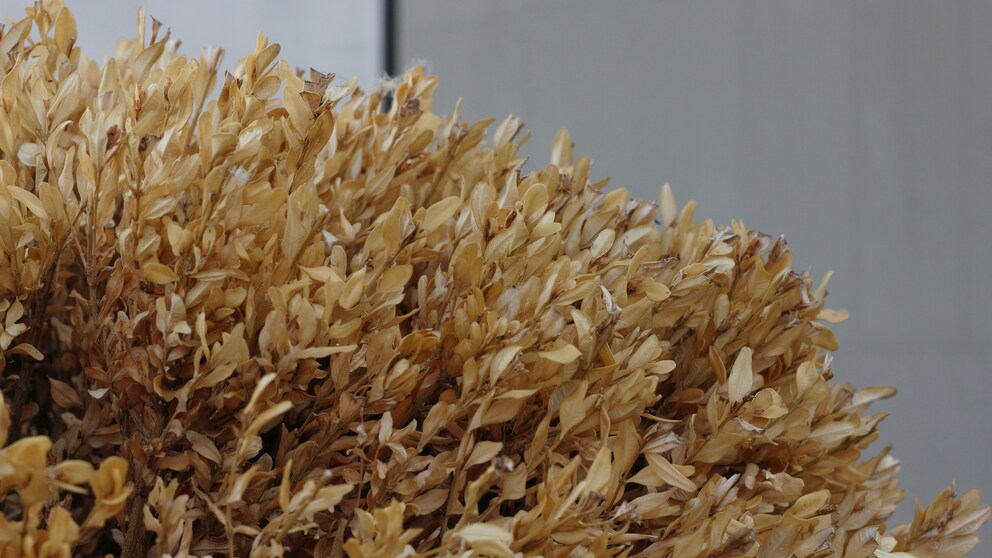
When cherry laurel, boxwood, or rhododendron suddenly have brown leaves in winter, it often seems like frost damage. However, the real cause is often frost drought—a phenomenon that particularly affects evergreen plants and can cause damage in the garden every year. The term involves a complex interplay of sun, cold, water shortage, and poor soil conditions.
Overview
Why Does Frost Drought Occur?
Frost drought occurs when plants evaporate more water than they can absorb from the soil. This mainly happens with evergreen species that continue photosynthesis to some extent in winter, losing water as a result.
The critical conditions are:
- Severe frost: The ground is deeply frozen, and water in this form can no longer be absorbed by the roots.
- Sun or dry wind: The leaves warm up easily, the plants continue to “breathe”—and lose water.
- Dried-out soil after icy but sunny days: The soil can be as dry as after long dry periods in hot summers.
The result: The plant dries out—even though, depending on the conditions, there might be enough water in the soil, it just can’t be reached.
How to Recognize Frost Drought?
Typical signs usually appear from February or March, but sometimes even earlier:
- brown, curled, or dry leaves
- needles or leaves appear “burned”
- entire shoots appear wilted, even though there are no more sub-zero temperatures
- particularly affected: cherry laurel, bamboo, boxwood, thuja, yew, rhododendron, lavender, and young conifers
- for many, the damage looks like sunburn—and indeed, winter sun plays a central role.
These Plants Are Particularly Susceptible
Especially evergreen plants that lose water through their leaves in winter belong to the “risk groups.” These include:
- cherry laurel
- rhododendron
- boxwood
- thuja and other arborvitae
- yews
- bamboo (especially Fargesia and Phyllostachys)
- lavender
- evergreen ornamental grasses, such as pampas grass and carex
- young conifers like pines or spruces
- mahonia and skimmia
Newly planted or transplanted shrubs in the fall are particularly at risk because their root systems are not yet deep.
Why Cherry Laurel Gets Yellow Leaves—and How to Fix It

Caring for Conifers in Winter
What Can Be Done Against Frost Drought?
The good news: A few measures can significantly reduce damage.
- Water well before winter: Especially in the fall, after long dry spells, evergreen plants should be thoroughly watered again. This is particularly important if the fall is rather dry. It fills the water reserves in the soil.
- Winter protection for sensitive species: Shade nets, jute mats, or brushwood protect against winter sun and reduce evaporation.
- Mulching: A thick layer of mulch retains moisture in the soil longer and prevents the topsoil from drying out. Leaves or the last lawn cut are good options. Both types of mulch decompose over time and provide nutrients to the plants.
- Water during frost-free weather: On mild winter days, it’s worth watering vulnerable plants—especially in sunshine, prolonged dry cold, and wind.
Can Plants Recover?
Often, yes. Many shrubs sprout again in the spring despite brown leaves. The key is:
- Prune dead shoots only after new growth appears
- Regularly water affected plants
- Be patient—sometimes a shrub only visibly recovers in the summer. However, very young plants or severely weakened shrubs may die completely.

How My Oleander Overwinters in the Garden
“For years, I lugged my oleander’s heavy pot into the basement in the fall and back out in the spring. Last year, I tried something different: I planted the oleander in a sheltered spot in the garden. And it survived. My trick against frost drought:
1. A protective fleece that blocks strong winter sun and prevents evaporation, as well as protects the shoot tips from frost damage.
2. Additionally, I water the oleander occasionally on dry days. This way, frost drought doesn’t stand a chance.”