


May 12, 2026, 1:59 pm | Read time: 3 minutes
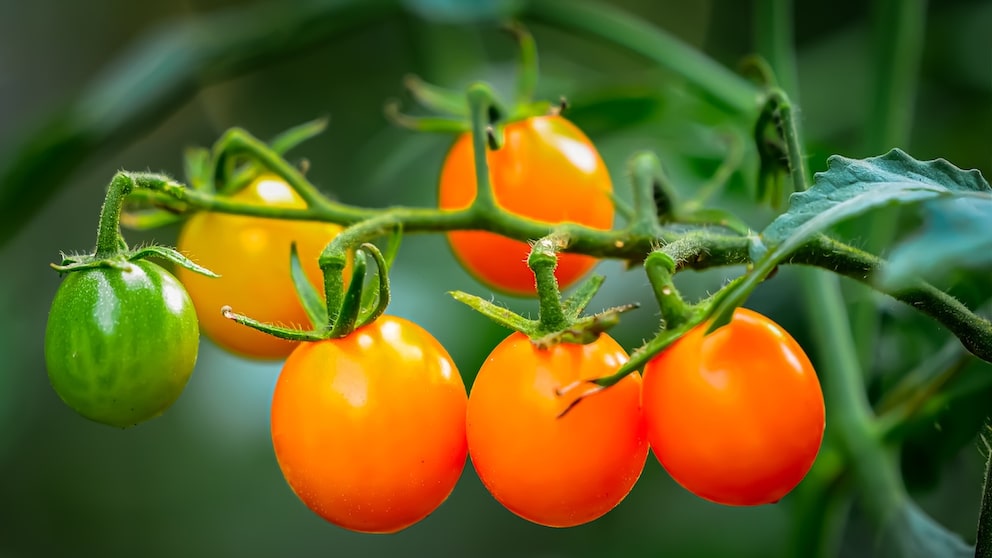
Homegrown tomatoes are considered by many to be the taste highlight of summer—sun-ripened, intense, and significantly better than most store-bought varieties. It’s all the more frustrating when your own tomatoes suddenly taste watery. This is usually due to simple causes that can often be avoided. myHOMEBOOK gardening expert Franka Kruse-Gering reveals four reasons why garden tomatoes turn out watery instead of sweet.
Why Tomatoes Become Watery
If tomatoes taste bland, it’s usually because they’ve absorbed too much water. The flavor then seems “diluted.” This doesn’t happen by chance but is almost always related to the conditions in the garden or on the balcony. Water, sun, and nutrients are crucial. If these factors aren’t right, the fruits may still look good but can be disappointing in taste.
1. Incorrect Watering Practices
One of the most common reasons for watery tomatoes is incorrect watering. Many plants are either watered too often or receive very large amounts of water after prolonged dry spells. These fluctuations are problematic. After a dry period, the plant absorbs a lot of water, which is stored in the fruits. The tomatoes then grow quickly but lose flavor.
Typically, the skin can’t keep up with the rapid growth. The fruits develop cracks or even burst. This not only looks unattractive but also makes the tomatoes more susceptible to diseases.
But the opposite is also unfavorable: constantly wet soil. If tomatoes are always too moist, they grow vigorously but develop less flavor. A consistent watering rhythm is better. The soil should remain slightly moist but never completely dry out or be waterlogged.
2. Too Little Sun, Too Little Flavor
Tomatoes need a lot of sun—every day. If they’re too shaded, such as on a north-facing balcony or among densely growing plants, they lack the foundation for good flavor. Long rainy periods and cool temperatures also directly affect the quality of the fruits.
The more sun the plant gets, the more intense the flavor and sweetness develop. A bright, sheltered location is therefore crucial. If possible, place tomatoes where they can get as many hours of sunlight as possible each day.
These 6 Mistakes Especially Harm Balcony Tomatoes

Where You Should Never Store Tomatoes
3. The Soil Plays a Bigger Role Than Many Think
In addition to water and light, nutrient supply also has a significant impact. Too much nitrogen, in particular, can cause tomatoes to become watery. This nutrient primarily promotes the growth of leaves and shoots. The plant becomes large and strong but invests less energy in the flavor of the fruits.
The result is often large, plump tomatoes with a lot of liquid but little aroma. A balanced fertilizer tailored to the needs of tomatoes is better. Potassium is especially important because it supports fruit development.
4. Harvested Too Early—Wasted Flavor
The right harvest time also plays an important role. Tomatoes picked too early don’t develop their full flavor. Although they often continue to ripen, they fall significantly short of fully ripe fruits in taste.
It’s best to harvest tomatoes only when they are fully colored, have a slight fragrance, and yield slightly to gentle pressure. That’s when they’ve reached their best flavor.