


June 8, 2023, 1:11 pm | Read time: 5 minutes
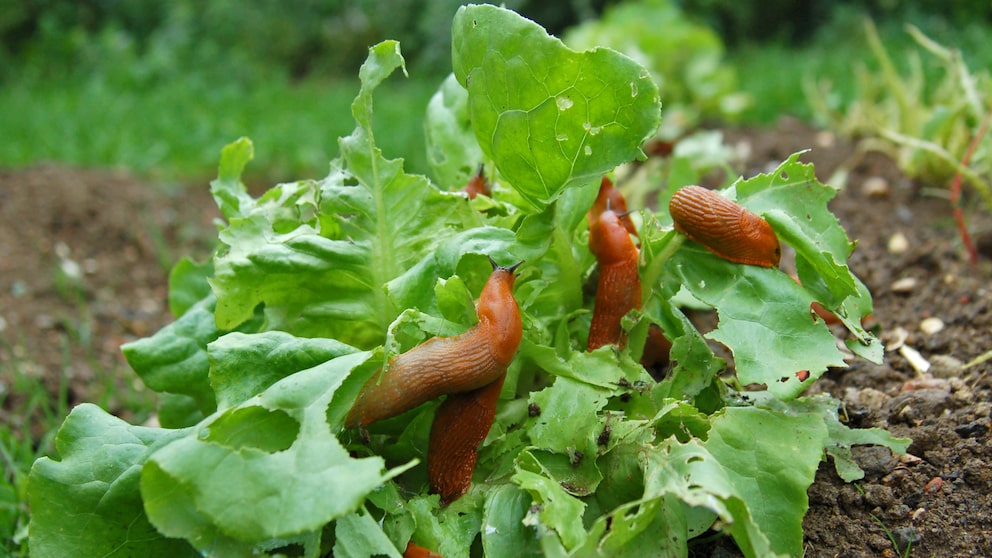
Snails are not welcome in most gardens. They eat lettuce and flower varieties such as dahlias or delphiniums, potentially ruining vegetable and flower harvests. myHOMEBOOK presents an unusual strategy to keep snails away from particularly coveted plants.
A silvery, shiny trail in the garden usually spells trouble: A snail has slowly but persistently made its way through. These mollusks are mostly active at dusk and night when humidity is higher, reducing the risk of drying out. Their favorite targets are often carefully tended vegetable beds or flower borders. Those who have invested a lot of time and effort in their plants will not be pleased with a snail visit. However, it doesn’t always have to be chemical solutions to sustainably repel snails or keep them away from lettuce and the like. A so-called “sacrificial bed” can help.
Sacrificial Bed for Snails
What initially sounds like an occult ritual is actually a practical and sustainable way to keep snails away from vegetable and flower beds. This involves planting a bed with plants particularly tasty to snails–the so-called sacrificial bed. The plants in this bed are sacrificed to the voracious snails. This is intended to lead the snails to ignore the actual vegetable bed and other valued plants in the garden. The following plants are suitable for a sacrificial bed:
- Green lettuce varieties
- Cabbage (red cabbage, white cabbage, etc.)
- Zucchini plants and their fruits
- Young cucumber plants
- Buckwheat
- Cress
- Kohlrabi
- Pepper plants
- Strawberries
Those who grow their own seedlings might choose the less robust specimens for the sacrificial bed. Furthermore, the sacrificial bed should be placed away from the main vegetable bed and easily accessible. This means the bed should be at ground level and preferably surrounded by grass. Snails can cross this more easily as they lose less moisture here.
Conversely, the main vegetable bed with plants favored by snails should be in a raised bed and surrounded by paths that the mollusks tend to avoid. These include paths made of bark mulch, sharp stones, or rock dust. Crossing these paths threatens the snails with dehydration, causing them to turn back.
Read more: Effectively combat garden snails with home remedies
Copper Tape Can Effectively Repel Snails in the Garden

How a Sacrificial Plate Can Help Against Snails in the Garden
Disadvantages of the Sacrificial Bed
As practical as a sacrificial bed may seem at first glance, it can have some drawbacks. It should ideally be set up at a “gateway” for snails, such as the garden side adjacent to a field or meadow. Otherwise, the snails might discover the main vegetable bed first and ignore the sacrificial bed.
Another disadvantage could be that the sacrificial bed actually attracts more snails to the garden, where they might feel so comfortable that they reproduce uncontrollably. Eventually, the plant food in the sacrificial bed might not suffice, and the vegetable and flower beds could also be devoured.
Combination of Sacrificial Bed and Snail Deterrents
A sacrificial bed is a good strategy to keep snails away from the self-sufficient garden bed. The disadvantages it may bring can be limited with simple measures.
- Snail trap: Sacrificial beds work particularly well when combined with snail traps. The sacrificial bed attracts a large number of snails. If a snail trap is also set up here, the snails will crawl in at night and can be collected the next morning. Beer works best as bait. The trap should be designed so that the snails can enter but not exit. Animal rights advocates should choose a version that only prevents the snails from crawling out and does not let them perish. The mollusks can then be released back into nature at a suitable location.
- Surround the vegetable bed with snail-unfriendly plants: Those who want to plant green salads should place them in the middle of the vegetable bed and surround them with vegetables that snails avoid. These include onions and garlic, lamb’s lettuce, larger tomato plants, chicory, or celery. The mere smell of these plants deters snails.
- Make the vegetable bed’s surroundings snail-unfriendly: In addition to the already mentioned dry paths around the vegetable bed, the rest of the bed’s surroundings should also be unappealing to snails. This mainly concerns moisture. Snails are mostly water. If the vegetable bed’s environment is kept dry and rocky or sandy, snails will avoid the path to the desired food. Therefore, only the vegetable bed itself should be watered, not the entire area with a sprinkler. This drier environment can also be planted with thyme or lavender. Not only does this add a great Mediterranean touch, but the scent of these plants is also unpleasant to snails.
- Coffee grounds as fertilizer and snail deterrent: Coffee drinkers should not throw away the coffee grounds. Applied to the soil in the vegetable bed, it serves not only as a high-quality fertilizer but also keeps snails away. Caffeine is even toxic to them, and they will steer clear of lettuce, zucchini, and the like.