


April 17, 2026, 8:46 am | Read time: 3 minutes
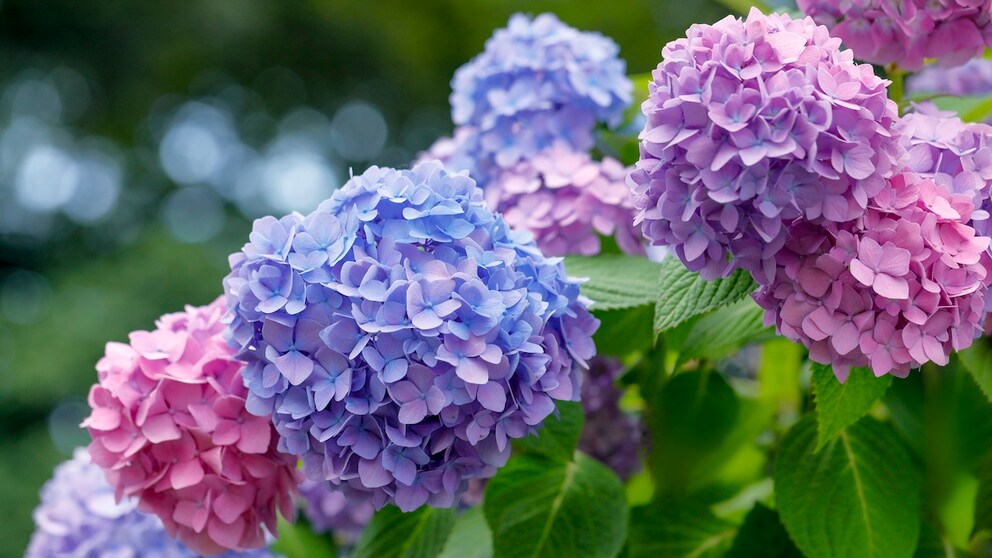
Hydrangeas are among the absolute favorites in the garden. Even our grandparents were proud when the beautiful flowers displayed their blooms. But that could soon come to an end. Gardeners are advising against planting mophead hydrangeas.
Whether white, pink, or even blue, mophead and also panicle hydrangeas are a real eye-catcher in any garden. They are not necessarily easy to care for, but fans of the plant with its lush blooms are happy to accept that. However, the plants are increasingly uncomfortable in Germany.
Why You Should No Longer Plant Hydrangeas
In recent years, it has been observed that some plants are increasingly struggling, explains Isabelle Van Groeningen from the Royal Garden Academy in a conversation with myHOMEBOOK. She cites high temperatures, especially the hot and dry summers, as the reason. “This has prompted us to rethink. We need to change our gardening habits and also adapt the plants to the weather conditions.”
One plant in particular is affected by the climatic conditions: “Unfortunately, at the top of the list is the good old mophead hydrangea,” the expert adds. However, there are regional differences. “I believe in the Schleswig-Holstein area, it is not quite as bad yet; there is high humidity, and it usually doesn’t get as hot. It’s different, for example, in Berlin. There we have a continental climate. In summer, it is very hot and dry.” You could stand next to them and water all day, but you can’t change the high temperatures, she jokes. The plants would simply “burn.” Even early summer days with over 95 degrees Fahrenheit can turn the blooms into sad, brown, shriveled figures.

What to Consider When Overwintering Hydrangeas

The Best Plants for Natural Shade in the Garden
How Do Hydrangeas Show That It’s Too Hot and Dry for Them?
“I have seen the panicle hydrangea ‘Annabell’ in many gardens. The blooms were small, brown, and frizzy. The leaves also turned brown. That brings no joy anymore. As a gardener, you are simply frustrated, and it breaks your heart,” emphasizes Van Groeningen. You just can’t help the plant.

Could a Different Location Help?
No, a different location doesn’t help either, the expert explains: “Even if they are in the shade, we can’t do anything about the high temperatures and dry air.” It is better to use the shade under a tree than shade created by a house, Van Groeningen reveals—but this location doesn’t help much in the long run either. “The trees release a lot of moisture throughout the day—but it’s not enough. Additionally, the soil in this spot is usually drier because the tree roots absorb all the water from watering.”