

November 23, 2026, 3:39 pm | Read time: 6 minutes
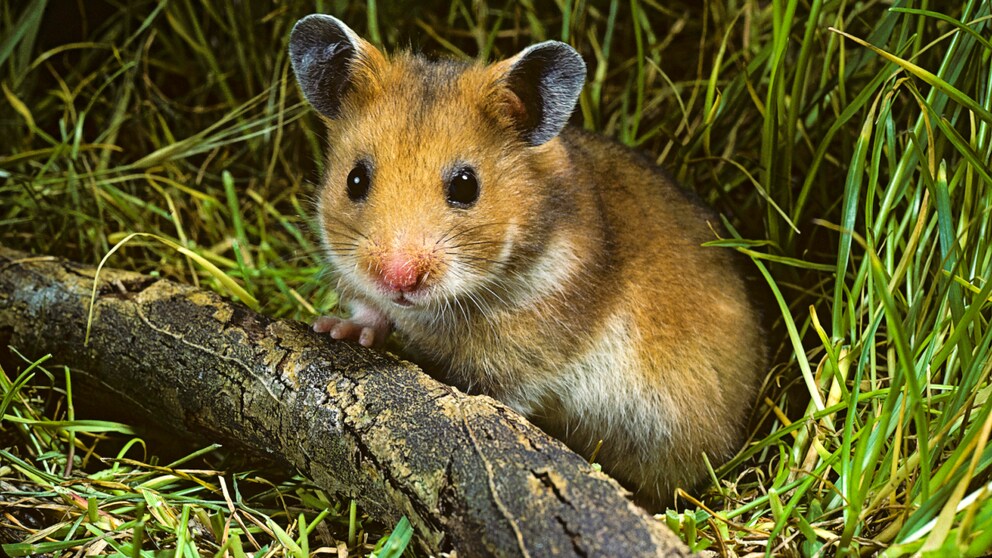
Hamsters are considered cute but short-lived pets. Despite the best care, it can happen that the animal suddenly lies motionless in the cage. What seems surprising at first glance often has biological or husbandry-related reasons—some of which can be prevented, others not. But what can cause hamsters to die so unexpectedly?
Follow myHOMEBOOK on WhatsApp now
Why Hamsters Only Live a Few Years
The small body of a hamster has a fast metabolism. Its heart beats 200 to 500 times per minute. In comparison, a healthy human’s heart rate is 60 to 80 beats per minute. Due to the high pulse, the rodent’s organs wear out faster, meaning it ages more quickly. There are slight differences among the various hamster species. The Roborovski dwarf hamster usually lives only one or two years, the golden hamster about two to three years, and the Chinese striped hamster can live between two and four years. If a hamster dies suddenly long before its time, there can be several reasons.
How to Determine if the Hamster Is Really Dead
It may sound strange at first, but sometimes it’s not easy to tell if a hamster is dead or sleeping. In the wild, various hamster species hibernate when temperatures drop. As pets, this behavior is rare. However, some species find it too cold at just 18 degrees Celsius, causing their breathing and heart rate to slow. Golden hamsters, in particular, are very sensitive to cold and drafts.
Unlike a dead hamster, a sleeping hamster still breathes. If you look closely, you can see its small chest rising and falling. Additionally, hamsters usually respond to gentle touches during hibernation and can be awakened by a careful increase in room temperature. If the hamster is suddenly dead, it shows no vital signs—it doesn’t breathe, and its body becomes cold and stiff over time.
Also interesting: 10 tips to make your home safe for small pets
The Most Common Causes of Death According to Study
A study by the Royal Veterinary College (RVC) from 2022 evaluated the clinical data of 3,998 hamsters from 2016. The analysis is considered the world’s largest study on pet hamsters and provides the first insights into the most common diseases under real husbandry conditions—as opposed to previous lab data.
According to the study, there are about 600,000 pet hamsters in the United Kingdom. The average pet hamster lives 1.75 years, or about one year and nine months. In over 84 percent of documented deaths, euthanasia by a veterinarian was the cause. The most frequently documented diseases were:
- Respiratory diseases, diarrhea, skin problems—2–3%
- Wet tail disease—7.33%
- Undiagnosed diseases—7.30%
- Bite injuries from other hamsters—5.88%
- Overgrown claws or incisors—about 4%
Diseases as a Common Cause of Death
If a hamster appears apathetic, doesn’t eat or drink as usual, and doesn’t come out of its house, it may indicate that it is nearing death. However, owners often don’t notice when their hamster is suffering from an illness because hamsters are prey animals and masters at hiding diseases. This can make it difficult for owners to recognize early signs. Therefore, it’s important to conduct regular health checks and monitor its weight.
Hamsters are susceptible to respiratory infections and can quickly develop life-threatening pneumonia. Other infections can also rapidly lead to the death of these small rodents. 1
Wet tail disease—a diarrheal disease often associated with stress or infections—was cited as the most frequently documented cause of death according to the study. The term serves as a catch-all for various intestinal diseases with similar symptoms. The authors emphasize that further research is needed to identify exact causes and reduce the high mortality rate.
Additionally, hamsters can develop severe heart problems, diabetes, and even cancer. Poor husbandry conditions, improper diet, and stress can increase the risk of such diseases and shorten the rodent’s lifespan.
Also interesting: How to make your small pets comfortable in an outdoor enclosure
Husbandry Mistakes Often the Reason Hamsters Die Suddenly
Many of these diseases arise from husbandry mistakes, unsuitable materials, or unnecessary stress. For example, when unsuitable plastic items are used in the cage. If the hamster gnaws on them, it can swallow small, sharp plastic pieces that perforate the intestines, quickly leading to the animal’s death. Additionally, constant exposure to cold, drafts, or severe stress can weaken the small rodent’s immune system, making infections more likely.
The choice of cage bedding also plays a more significant role than previously thought. Despite contrary recommendations, dusty wood shavings are still sold as suitable in many pet stores. Studies show that fine dust particles can severely irritate the respiratory system and eyes.
Ultimately, owners can only speculate at first, as only a veterinarian performing a necropsy can provide a precise answer. During a necropsy, the dead animal is dissected and examined to identify organ damage or injuries. However, even a necropsy may not always reveal why the hamster died suddenly.
Genetics Can Play a Role
Another factor that few hamster owners consider is the genetics of the animals. It is known that dogs and cats are often bred in large numbers under terrible conditions to be sold cheaply on the black market. The same happens with hamsters. Many hamsters offered in pet stores come from breeding farms. Often, the animals are kept in small cages, which often leads to cannibalism among the hamsters.
According to investigations by the animal rights organization Peta, both small pet retailers and large chains and hardware stores obtain small animals like hamsters through intermediary wholesalers from horrific breeding facilities in the Czech Republic, Germany, and the Netherlands. 2
Such animals often have deficiencies and are smaller compared to hamsters from good breeding operations. Additionally, breeding farms pay little attention to the genetic backgrounds of the parent animals, so the risk of neurological diseases or the tendency to develop tumors in old age is genetically passed on to the offspring. These genetic deficits are not always visible.
What music repels mosquitoes?
Slug Pellets Can Be Toxic to Pets and Children
Hamster Is Suddenly Dead—What to Do?
Dead small animals like hamsters can be disposed of with household waste. However, for those who loved their hamster, this form of disposal may seem very heartless. A more respectful option is to give the dead body to a veterinarian or bury the deceased hamster in the garden or at a pet cemetery. 3
Conclusion: Small Animals, Big Responsibility
The 2022 study by the Royal Veterinary College clearly shows how important knowledge about husbandry, nutrition, and health care is. Many diseases can be prevented through simple measures such as the right bedding, species-appropriate diet, solitary housing, and stress avoidance. Those who observe their hamster well, keep it properly, and don’t fall for outdated myths can significantly improve the quality of life for their small companion—even if its time is unfortunately often limited.