


April 22, 2026, 4:32 am | Read time: 3 minutes
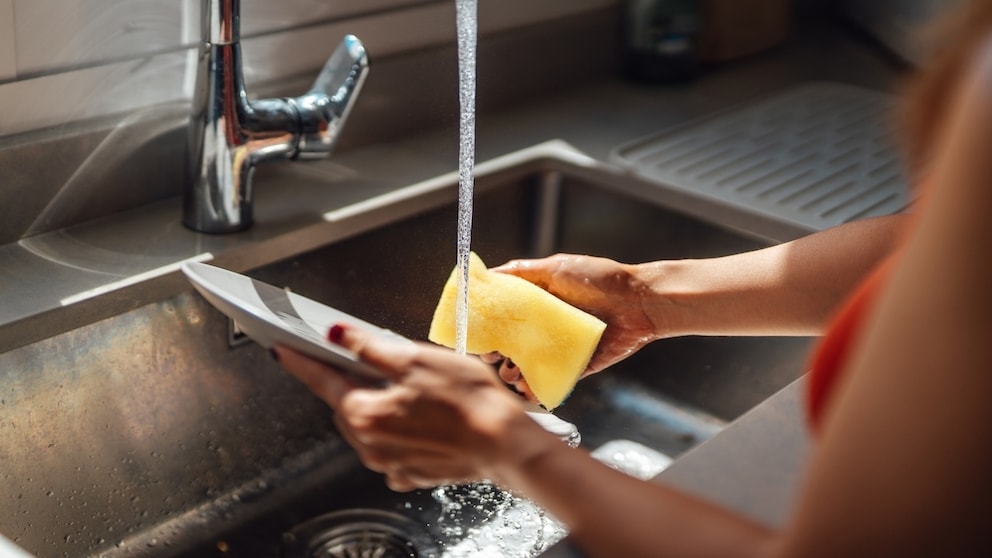
The kitchen sponge was just replaced with a new one, and it has already started to smell unpleasant. The reason is clear: This household helper is a paradise for bacteria and germs—even though it’s supposed to clean dishes. Because this is a hygiene issue, the dish sponge is increasingly falling out of favor. myHOMEBOOK presents three sustainable alternatives to the kitchen sponge that are now trending.
1. Wooden Dish Brush
Before inexpensive plastic sponges made of polyester or viscose became popular in the 1950s, the dish brush was a staple in every household. It was practical and effective, with easy handling. Since plastic sponges were much cheaper, this new market product quickly became the kitchen standard. Nowadays, the focus is heavily on sustainability, and cheap plastic products are increasingly sidelined. As a result, the brush is experiencing a well-deserved renaissance at the sink and is a good alternative to the kitchen sponge. Modern versions combine wooden or silicone handles with natural bristles, perfectly capturing the spirit of the times.
Compared to the sponge, its biggest advantage is its shape: Water doesn’t accumulate but quickly drains through the bristles. Additionally, the long handle allows for ergonomic use and perfect power transfer. The highlight: hands don’t constantly touch the dishwater, which is much healthier for the skin barrier. The ability to replace brush heads also positively impacts waste management. And then there’s the attractive design, which no longer needs to be hidden but can be consciously integrated into a tidy kitchen aesthetic.

Common Household Hygiene Mistakes and How to Avoid Them

How Often You Should Really Change Your Kitchen Sponge
2. Linen Dishcloths
Linen is one of the world’s essential materials and was a true asset to households even in grandmother’s time. Robust cloths have always been part of kitchen equipment, only to be long overshadowed by disposable products. Now we’re returning to natural fibers and rediscovering their particularly high quality.
The secret of linen cloths lies in their structure: Smooth, durable fibers are not only naturally antibacterial, but they also absorb moisture exceptionally well and dry quickly in the air. This deprives bacteria of their breeding ground and prevents unpleasant odors. Linen can also be easily washed in the machine or by hand, ensuring freshness and hygiene. A cloth can last many years if treated well.
Linen cloths—whether dishcloth, hand towel, or cleaning cloth—are not only practical but often very attractive due to their texture. The muted natural tones perfectly adapt to any design and reflect a conscious use of materials. A sustainable eye-catcher that is becoming increasingly popular.
3. Natural Sponge Cloth
What happens when you combine the absorbency of a sponge with the hygiene of a cleaning cloth? A Swedish engineer realized this idea back in the 1940s and developed the sponge cloth. In the North, this invention has been a kitchen classic ever since, and it has now conquered many other kitchens across Europe.
The cloths are made from cellulose and cotton and are true multitaskers. They are tear-resistant, flexible, and can absorb a large amount of water. Their quick drying time is particularly pleasant, preventing bacteria from settling in the first place. Moreover, they can be easily cleaned in the dishwasher or washing machine to feel like new, making them a good alternative to the kitchen sponge. Typically Scandinavian, they combine function with design. Their clear patterns and subdued colors give every kitchen a natural touch.