

November 5, 2025, 2:55 pm | Read time: 5 minutes
A slightly unpleasant smell in the bedroom in the morning is completely normal and not a cause for concern. It results from sweat, bad breath, and natural body emissions. While the smell can’t be completely avoided, there are effective methods to eliminate it from the bedroom.
Overview
What to Do About an Unpleasant Smell in the Bedroom?
There are several effective measures to get rid of the smell in the bedroom.
1. Sleep with the Window Ajar
If the morning odor is particularly bothersome, you can leave the window ajar overnight. This ensures adequate air circulation and prevents the stale smell from forming. Even a few slits (such as with external shutters) are sufficient. If open windows disturb your sleep, you can alternatively use an electric air purifier. If none of this is possible, there’s only one option left: ventilate thoroughly right after waking up. Once you’re back from the bathroom, the bedroom usually smells fresh again.
2. Prevent Bad Breath
Upon waking, not only does the bedroom smell, but almost everyone has morning breath. From a medical perspective, this phenomenon is even beneficial, as it can be attributed to our salivary glands producing less saliva at night. Unfortunately, this dries out the mouth and allows odor-causing bacteria to multiply more easily. In fact, this is also the main reason for an unpleasant smell in the bedroom.
This can’t be completely avoided, but we can counteract it a bit with thorough oral hygiene before going to bed. In addition to the toothbrush, we should especially not forget the tongue scraper. A coating accumulates on the tongue, which can be removed with an appropriate cleaner. This provides a fresh and clean feeling. If desired, you can also use a mild mouthwash afterward.
3. Choose the Right Textiles
Healthy individuals lose between half a liter and a liter of sweat per night. All of this evaporates into the air or seeps into the mattress. The key here is primarily adequate hygiene, such as daily showers, because usually only old sweat smells.
Pay attention to your sleep textiles as well. Polyester has no place in pajamas, for example. It’s best to wear clothing made of pure cotton or linen for sleeping. The same goes for bedding. Light fabrics that can be washed at 60°C in the machine are ideal. Also, ensure the blanket isn’t too warm and the mattress is well-ventilated from below. For those who suffer from cold sweat, warm, clean cotton socks can help.

4. Don’t Make the Bed in the Morning
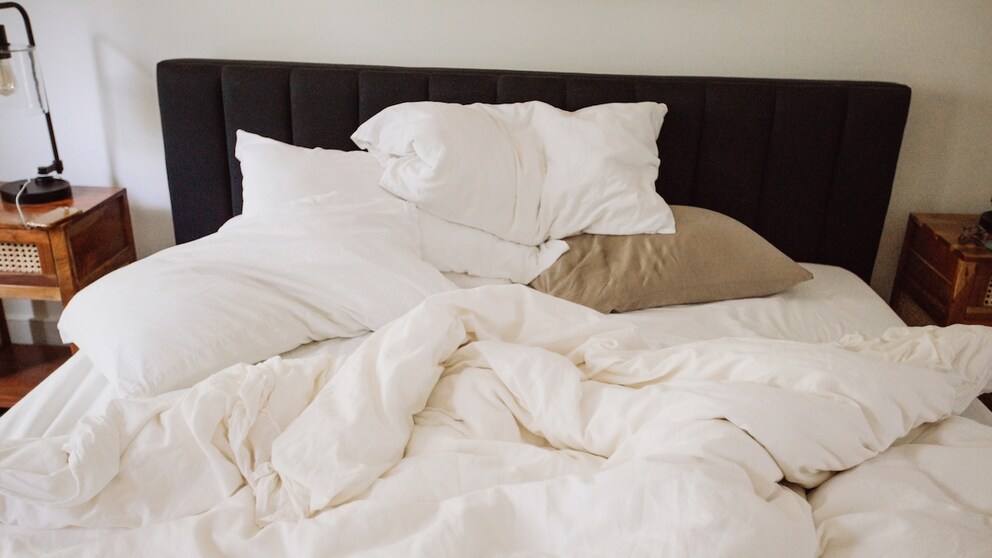
Excuse me? Yes, you read that right. While some organization gurus recommend making the bed right after getting up, from a hygiene perspective, it’s not a good idea. Making the bed immediately in the morning traps the sweat emitted overnight and creates a warm, humid climate—ideal conditions for mites.
This doesn’t mean you have to forgo a neatly made bed. You should wait one to two hours, as it’s advisable to shake out the duvet well and hang it over the balcony railing or windowsill to air out. If you’re short on time in the morning or need to head to the office, at least fold back the duvet and give the pillows a quick shake. After work, the bed can still be made–no one sees it in the meantime anyway.
5. Hygiene for Bedding and Mattress
Even though most of us don’t enjoy it, bedding should be changed weekly, at least every two weeks. Don’t forget the mattress either. Experts recommend flipping it every three months.
If you have a steam cleaner, you can also use it to rid your mattress of germs. Caution: Let it dry thoroughly afterward, preferably in the summer in fresh air. A mattress protector is also recommended, as it can be washed more frequently and easily than the entire mattress cover.
6. Proper Ventilation and Heating
We typically don’t use the bedroom during the day. Many people, therefore, leave the window in this room permanently open or “ajar.” What initially sounds like fresh air can have the opposite effect. In winter, constantly open windows cool the walls, and in summer, they let too much moisture into the room. Both can lead to mold.
Conversely, infrequent ventilation is equally unfavorable. Instead, the optimal approach is to ventilate several times a day for a few minutes, then close the windows again. Especially in cold outdoor temperatures, adequate heating should not be neglected.
7. Eliminate Embedded Odors
Now to the crucial question: Is it really just the stale air overnight, or is it a more persistent problem? The former is, as mentioned, completely normal and harmless. If the room smells fresh again after opening the windows in the morning, you can breathe easy. However, if an unpleasant mustiness lingers even after extensive ventilation, it’s advisable to search for the cause.
The worst-case scenario: mold. In this case, an expert must urgently be called in to analyze and combat the problem. Fortunately, often only harmless reasons are behind the unpleasant air. Bad odors can get trapped in room textiles like curtains or carpets, so these should be cleaned regularly. Regular cleaning of light bulbs and radiators is also recommended, as they warm up when turned on and emit unpleasant aromas throughout the room.
Additionally, make sure to immediately place worn street clothes in the laundry basket instead of leaving them lying around or hanging them back in the closet. This is often a forgotten cause of bad smell in the bedroom. By the way, cat litter or vinegar can bind and neutralize unwanted odors.