



May 26, 2020, 9:11 am | Read time: 3 minutes
Headaches, dizziness, and lack of concentration? If you feel uncomfortable in enclosed spaces, poor air quality is often the culprit. Here are seven simple tips to improve indoor air.
Whether sleeping, working, cooking, playing, or relaxing: We spend between 80 and 90 percent of our lives indoors, and this trend is increasing. Therefore, it’s all the more important to pay attention to good indoor air quality. Sometimes, the air doesn’t just stink metaphorically. Here’s how to improve indoor air quality and what to consider for good air quality when setting up, cleaning, and living.
1. Proper Ventilation
Improving indoor air quality often starts with simple ventilation. However, it needs to be done correctly. Windows should not be left ajar all day as a precaution. This does not allow for air exchange and can cause rooms to cool down quickly, especially in winter. The result: increased risk of mold. Better:
- Ventilate thoroughly three to four times a day for eight to ten minutes. This allows for quick and intensive air exchange.
- The duration of ventilation also depends on the number of people and animals in the room. A simple rule of thumb: the more people, the longer the ventilation (about eight to ten minutes).
- When using candles or a fireplace, additional regular ventilation is necessary.
2. Maintain Optimal Room Temperature and Humidity
To prevent mold, it’s important to monitor the room temperature and humidity. A temperature of 66 to 72 degrees Fahrenheit is recommended. Indoor humidity should be between 40 and 60 percent.
Also interesting: Home remedies and plants to repel flies
3. Air-Purifying Plants Filter Indoor Air
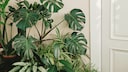
They not only bring greenery into your home, but they also wonderfully clean the air! Houseplants are true pollutant killers and oxygen factories. Some natural air purifiers can even break down chemical pollutants. Researchers have found that at least one plant per 100 square feet is recommended. The larger and more lush the plant, the more air it can filter. Plants are also ideal for increasing humidity in a room. The following plants are known for their particularly good air-purifying effects:
- Devil’s Ivy (Epipremnum aureum)
- Common Ivy (Hedera helix)
- Kentia Palm (Howea)
- Snake Plant (Sansevieria trifasciata)
- Chrysanthemum (Chrysanthemum)
- Dragon Tree (Dracaena reflexa)
- Spider Plant (Chlorophytum comosum)
- Peace Lily (Spathiphyllum)
- Swiss Cheese Plant (Monstera deliciosa)
4. Reduce Home Textiles
Less is more: This is especially true for home textiles. Cushions, blankets, table linens, and curtains contribute to dust accumulation. Reducing these can also help improve indoor air quality.
Also interesting: Use these home remedies to eliminate bad odors
5. Regular Dusting for Better Indoor Air
Dusting not only ensures a pristine appearance for bookshelves, display cabinets, and more. It also improves indoor air quality. A microfiber cloth can effectively and quickly remove dust from surfaces.
Also interesting: 6 tips to remove smoke odor from your home

9 Plants Perfect for the Bedroom
5 air-purifying plants for the home
6. Use Solvent-Free Cleaning Products
Cleaning products can contain aggressive ingredients that negatively affect indoor air quality. Therefore, solvent-free cleaning products are recommended. By the way, your home can also be cleaned effectively and environmentally friendly with home remedies such as baking soda, vinegar, and citric acid.
7. Vacuum Cleaners with HEPA Filters Improve Indoor Air
Many allergy sufferers have one. But even if you don’t suffer from allergies, it’s worth investing in a vacuum cleaner with a so-called HEPA filter. This special filter can remove even the smallest particles from the air with its particulate filter. Allergens, household dust, pollen, fine dust, mites, and spores don’t stand a chance.