

October 27, 2026, 1:17 pm | Read time: 4 minutes
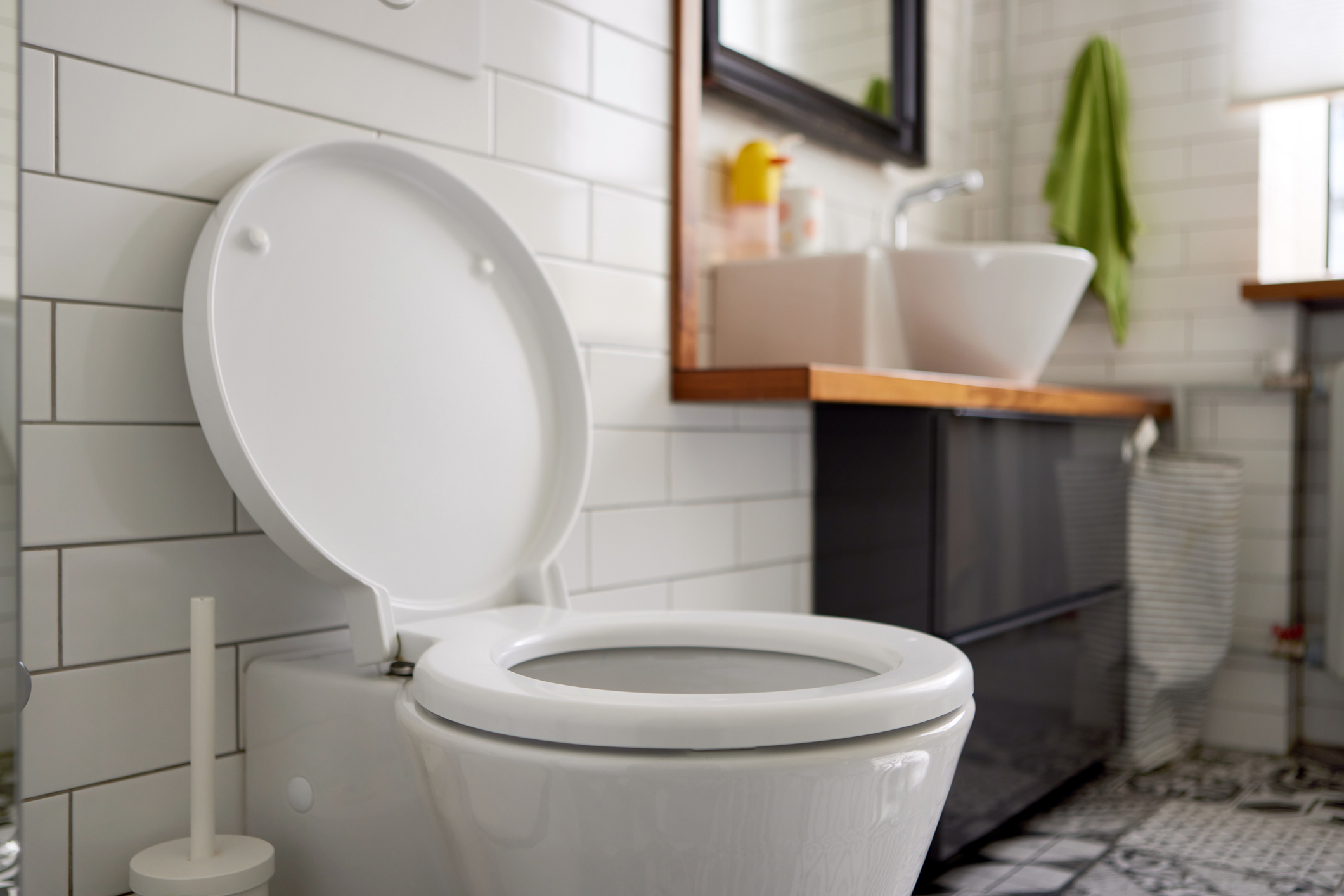
For many people, the toilet is initially the place in the household that harbors the most bacteria and dirt. This may seem true at first glance, but upon closer inspection, the toilet seat is far from being the breeding ground for bacteria and germs that many believe it to be. This raises the question: How often should one change the toilet lid according to experts? Is it enough every few years or more frequently? myHOMEBOOK asked the Competence Center for Household Management about this.
Follow myHOMEBOOK on WhatsApp now
Change the Toilet Lid Frequently for Hygiene Reasons?
Many people replace the toilet lid, including the seat, thinking that too many germs accumulate there over months and years despite cleaning. But is that really the case? myHOMEBOOK asked Elke Messerschmidt from the Competence Center for Household Management. “The change should occur more for aesthetic than hygienic reasons with proper care. […] The fear of germs on toilet seats is present and significant in our perception. But there are fewer germs on the toilet seat than expected: According to a study by the University of Arizona, there are 50 strains of bacteria per square centimeter.”
According to the expert, there are several other household items–from sponges to dish towels–where significantly more bacteria accumulate. “On the smooth and cold ceramic of the toilet seat, germs can only survive for a few minutes. If bacteria are present on the seat, our skin protects us,” Messerschmidt adds. A toilet seat is usually changed due to hygienic concerns or aesthetic aspects, rather than because there is a real cause for concern.
Also interesting: 4 common mistakes when cleaning the toilet
How Often Should You Change the Toilet Seat?
According to Messerschmidt, there are no clear recommendations. Many manufacturers suggest online to change the seat every five to six years. The expert herself explains: “A toilet seat can also be in use for much longer than six years.” However, it is important that it is well-maintained. In cases of severe yellowing, for example on plastic seats, the seat should be replaced, as well as in cases of cracks, breaks, or other damage to the seat. According to Messerschmidt, this not only poses a risk of injury but also increases the likelihood of germs settling there.

Expert Reveals How Often You Should Mop the Floor

Common Household Hygiene Mistakes and How to Avoid Them
Proper Care Is Important
To ensure a toilet seat can remain in use for as long as possible, it is important to clean it with the right cleaning agents. For toilet seats made of plastics or lacquered wood, abrasive cleaners can cause scratches. On the other hand, using acids like vinegar or lemon and chlorine cleaners can cause yellowing after a short time, according to the expert.
To clean the toilet seat properly, it should be wiped with neutral soap or an all-purpose cleaner and a damp cloth. It is then important to wipe the surfaces again with clear water to effectively remove any cleaning agent residues from the material.
Also interesting: How useful are toilet stones really?
Which Material Is More Suitable for the Toilet Seat?
From colorful plastic seats to elegant wooden models, there are countless ways to enhance the toilet. Some have patterns, others have a plush cover. But what does the expert recommend when it comes to the most suitable material for the toilet seat?
For Elke Messerschmidt, it depends on personal taste. Wooden seats are warmer, while plastic seats are significantly colder. However, the latter are easier to clean. Wood requires much more and more intensive care. Plastic seats are the most affordable, but those who choose artificial stone will have to dig deeper into their pockets. If you prefer the inexpensive and easier-to-clean option, you should opt for a plastic seat. If you don’t want to compromise on design, even if the cleaning effort is higher, you can choose wood or artificial stone.