

September 8, 2025, 3:40 pm | Read time: 3 minutes
When dogs walk across wet floors or cats curiously sniff cleaning products, it can quickly become dangerous. What seems harmless to humans can be toxic to animals. Learn how pet owners can ensure pet-friendly cleaning in their homes here.
Avoiding Dangerous Ingredients in Cleaners
Whether it’s food scraps on the floor or loose fur on the sofa, households with pets require more frequent cleaning. To clean in a pet-friendly way, it’s important to choose the right cleaning products. Many common cleaning agents contain substances that can be problematic for animals. Products with bleach additives or strong fragrances are particularly concerning. If dogs, cats, or small animals sniff or lick them, it can lead to poisoning.
Specific ingredients also pose risks: Cleaners with ammonia solution can release ammonia, which is potentially dangerous for amphibians and fish. Additionally, scented oils or air fresheners can irritate the sensitive respiratory systems of many pets, especially ornamental birds.
Also interesting: How to Easily Make Your Own Cleaning Products
Safe Storage and Natural Alternatives
“Cleaning products should always be stored out of reach of pets,” warns Selina Schlierenkamp from the Central Association of Zoological Enterprises (ZZF). She instead recommends natural household items like vinegar, baking soda, or lemon juice, as well as special pet-friendly products from pet stores.
If a chemical cleaner must be used, the pet should not remain in the room during cleaning. After cleaning, it’s important to thoroughly wipe all surfaces with water. Otherwise, there’s a risk that pets will pick up chemical residues on their paws and later lick them.
Proper Cleaning and Washing of Large Textiles

A Household Remedy That You Can Use to Remove Even Old Stains
Thorough and Gentle Cleaning of Accessories
Pet hair can be effectively removed with a lint brush or vacuum cleaner. For more stubborn dirt, such as stains from urine, feces, or vomit, special cleaners from pet stores are recommended—they not only remove dirt but also reliably neutralize unpleasant odors.
Hygiene is also important in caring for pet accessories: Food bowls should be rinsed daily with hot water. Toys or bowls can be cleaned with a mild soap solution and then thoroughly rinsed. Sleeping areas like baskets or blankets should be regularly washed in the machine—ideally with a fragrance-free detergent, because “many pets have a keen sense of smell,” says Schlierenkamp.
Stress-Free Cleaning for Dogs and Cats
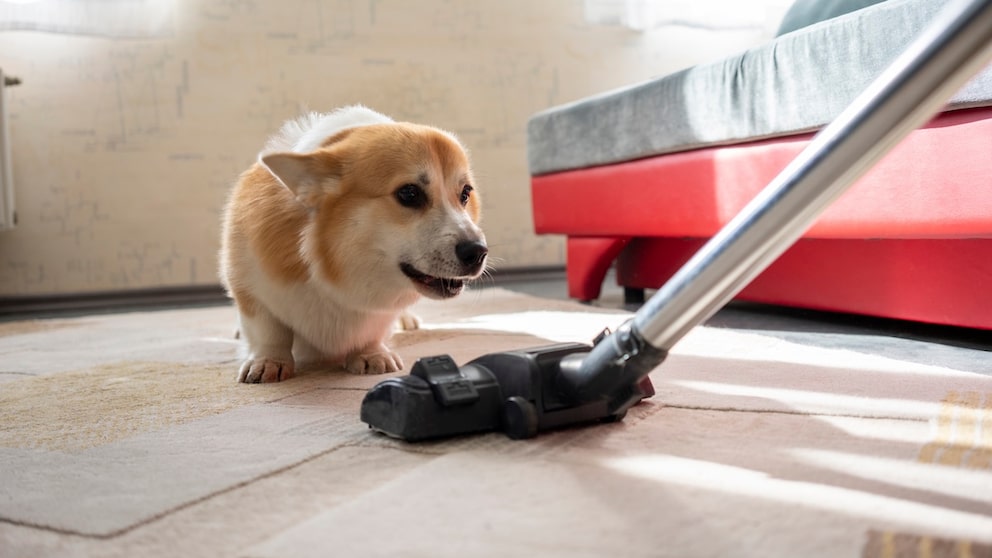
What sounds like order to humans means stress for many animals: vacuum cleaner noise, shaking furniture, or fluffing pillows are perceived as stressful by particularly sensitive animals. Therefore, owners should offer their pets a quiet retreat in another room during cleaning—this keeps nerves calm and the household clean.
With material from dpa