

October 6, 2025, 7:05 am | Read time: 2 minutes
Is the water from the tap not flowing evenly anymore? It might be due to the aerator. This should be cleaned and replaced regularly. Here’s the best way to clean faucet aerators.
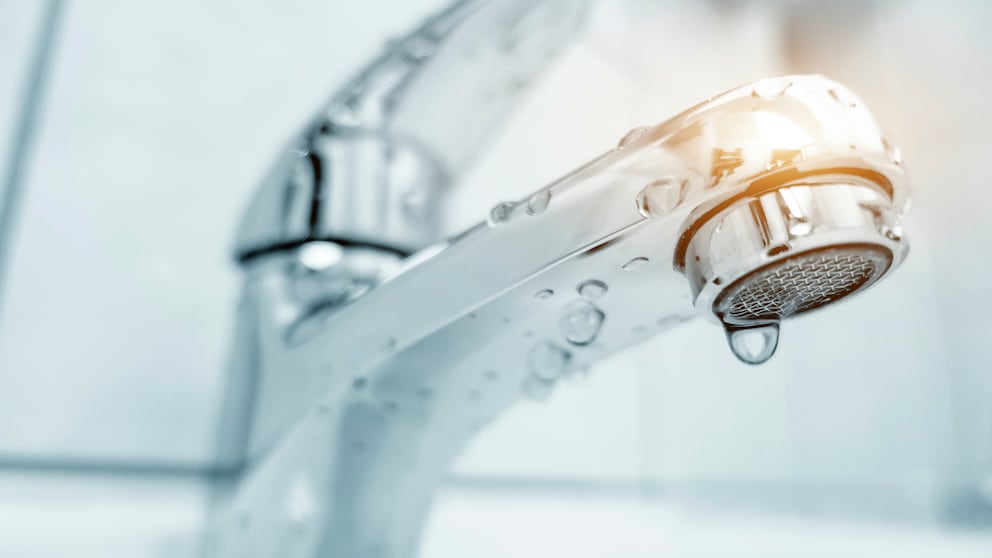
When cleaning the kitchen and bathroom, many overlook a small part of the faucet that also needs regular cleaning and occasional replacement. We’re talking about the aerator, also known as a perlator. It’s a small nozzle at the faucet’s outlet that helps reduce energy and water consumption. Additionally, the small screen ensures an even stream. In areas with hard water, meaning water with high calcium or magnesium content, deposits quickly accumulate on the aerator.
Overview
Replacing and Cleaning the Aerator – Step by Step
Replacing the aerator is quite simple. You only need a pipe wrench and a cloth. Alternatively, you can use an adjustable wrench if you don’t mind small scratches on the fixture.
For cleaning, you’ll need a bowl and either a special descaler or, alternatively, some vinegar essence and water. For particularly stubborn limescale, an old toothbrush can also be helpful.
The Instructions
- Place the cloth around the faucet as a protective measure to avoid scratches. Then position the pipe wrench on the aerator housing and unscrew it.
- Finally, you can unscrew the aerator with your fingers, remove it, and take it apart.
- If a new aerator is needed, you can now attach it to the faucet in the same way you removed the old one.
If you want to clean the old aerator, now is the time to use the necessary materials. Place the parts, except for the rubber gasket, in the bowl. Descaler should be used according to the package instructions. If you’re making your own cleaner with vinegar and water, mix them in a 1:1 ratio in the bowl and let it sit for a few hours. You can also gently remove deposits with the old toothbrush. Then rinse with clear water and reattach it to the faucet.
Also interesting: Why You Shouldn’t Clean a Showerhead With Vinegar
How Often Should You Clean the Aerator?
There is no rule of thumb for this. In regions with particularly hard water, you should clean it more often, as water with high calcium or magnesium content quickly leads to deposits. In general, it doesn’t hurt to clean the aerator more often than necessary.