


October 20, 2023, 10:57 am | Read time: 3 minutes
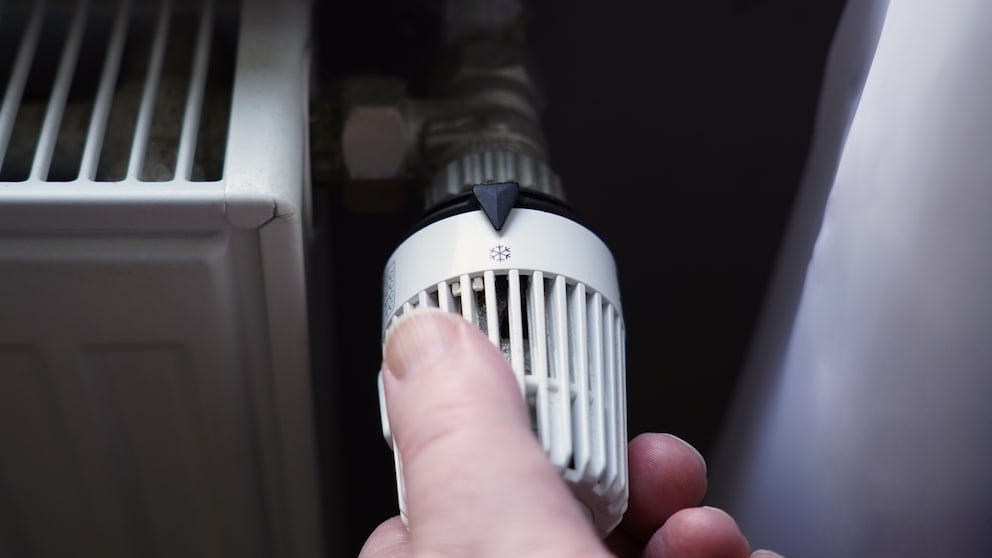
To save energy, it seems sensible to turn off the heating when it’s not needed. A suitable time might be at night, after all, you’re tucked in bed at that time of day. Whether this is really true, myHOMEBOOK clarifies in this article.
As temperatures drop outside, it’s time to turn up the heat in your home. This often presents a problem: When multiple people live together, they rarely agree on the temperature. One person might prefer it cooler, while another only feels comfortable when the heat is fully on. However, everyone might agree that saving energy and money is always a good idea. In this context, the question arises: Is it worth turning off the heating at night?

Should You Turn Off the Heating Completely at Night?
Experts strongly advise against it. Turning off the heating completely at night causes the room temperature to drop significantly. Poorly insulated buildings are particularly affected. The lower the room temperature, the more energy the heating system needs to use the next morning to warm it up again.
There is also an increased risk of mold growth. If the heating is completely off, the rooms cool down, and moisture condenses on the cooled walls. As a result of mold growth, structural damage can also occur.

Should you leave the heating on or switch it off when no one is at home?
13 Simple Tips to Save on Heating Costs at Home
Does Turning Off the Heating Save Energy?
If you only turn off the heating at night but turn it back on in the morning, it actually costs more energy. The heating system then goes into high-performance mode to heat the cold rooms. This means that in the end, energy costs are even higher than if the heating system is kept in a constant normal operation.
This applies to both renters and homeowners. While renters can directly turn down the thermostat on the radiator, homeowners often use night setback. In both cases, you should not turn off the heating completely at night to prevent mold growth and avoid using more energy.
Turn Down the Heating, Don’t Turn It Off
To save on energy costs, it’s enough to just turn down the heating. “As a rule of thumb, you save six percent energy or the associated energy costs for each degree lowered, provided this reduction is maintained throughout the entire heating period day and night compared to the previous year,” says Matthias Wagnitz from the Central Association for Sanitation, Heating, and Air Conditioning to myHOMEBOOK. This means if you heat your home to 20 degrees instead of 24 this winter, you can save nearly a quarter of your heating costs.