

November 8, 2022, 4:35 am | Read time: 2 minutes
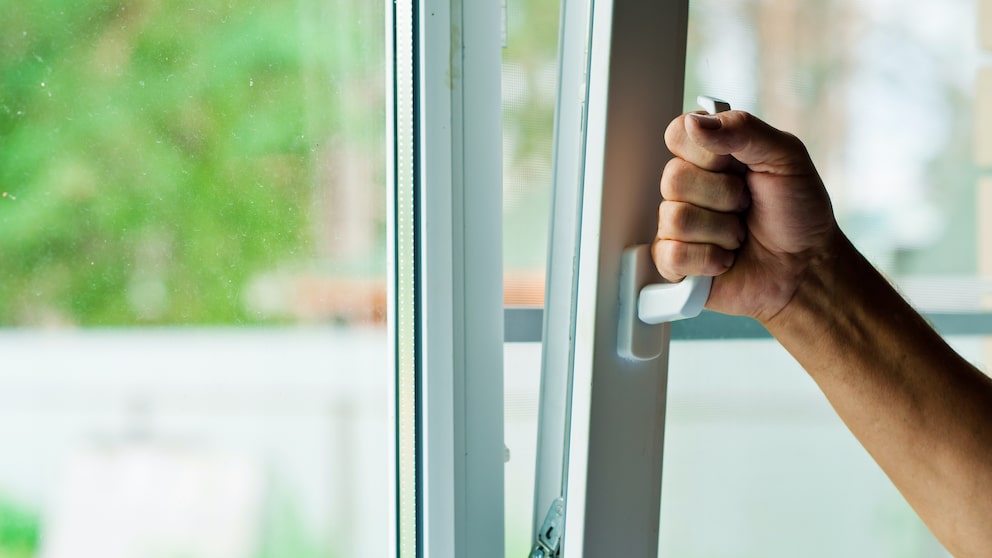
It’s common in the kitchen, bathroom, and bedroom: the window in a tilted position. However, during the heating season, this can cost you a lot of energy and even have health consequences.
Leaving windows tilted open for extended periods in winter is not a good idea. For one, this method of ventilation is inefficient. Tilted windows allow only a small amount of air exchange because no strong airflow develops. Additionally, this can increase heating costs. You’re letting warmth escape over a longer period—especially if the thermostats are still turned up.
Increased Costs and Mold Growth from Tilted Windows
Meanwhile, the walls around the windows cool down, further drawing warmth from the rooms—which then needs to be regenerated. This is pointed out by the Window and Facade Association.
Moreover, this type of ventilation is more likely to lead to mold growth in living spaces. The warm air from the room hits the quickly cooled wall areas and condenses on them. This moisture is an ideal breeding ground for health-threatening mold spores.
Related: How often should I ventilate during frost to prevent mold?
Better to Use Shock and Cross Ventilation
Therefore, it’s better to regularly use shock and cross ventilation for a few minutes. With wide-open windows, preferably opposite each other, a draft is created that quickly exchanges stale indoor air for fresh outdoor air.
The Association’s Tip: Use a hygrometer to measure the humidity in the living space. If the device shows a relative humidity of 70 percent or more, you should ventilate until it reaches about 40 percent.
with material from dpa