

December 4, 2025, 5:00 am | Read time: 3 minutes
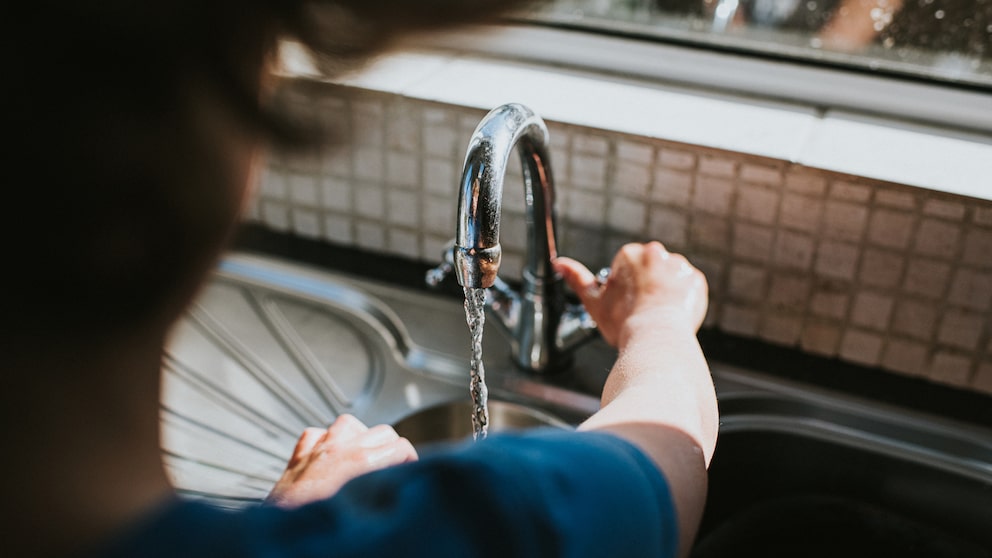
Tap water in Germany is generally of high quality. However, it can become substandard due to outdated pipes. And through faucets, as an analysis by Stiftung Warentest shows.
Stiftung Warentest tested faucets and found that two-thirds of kitchen faucets release too many pollutants into drinking water. This occurs even after many weeks of use.
Which Faucets Release Pollutants?
Both inexpensive products and more expensive models from brand manufacturers are affected. The faucets release pollutants such as the metals lead and nickel above the permissible limits. On the bright side, the levels for arsenic, antimony, and bismuth were consistently harmless, and copper was not present in significant amounts in any of the faucets, according to the magazine “test” (8/2021).
Also of interest: Warning, Hospital Germ! Manufacturer Recalls Faucets
Limits Must Apply After 16 Weeks
The water was tested in several steps: The product testers rinsed the new kitchen faucets daily. Shortly after installation, as well as after 12 and 16 weeks, water that had stood in the faucet for four hours was tested for pollutants.
This is a limit set by the legislature: After 16 weeks, the faucets should no longer release pollutants above certain limits. During this time, a layer should form in the faucets that prevents the release.
Also of interest: What to Do if Orange Water Comes From the Tap?
Let Water Run for At-Risk Groups
Eight faucets in this analysis still released pollutants like lead into drinking water shortly after installation. This heavy metal can impair the development of the nervous system, with pregnant women, children, infants, and fetuses being particularly at risk. However, these eight products met the limits after 12 and 16 weeks according to Stiftung Warentest. Final grade: Satisfactory.
The product testers therefore advise letting the water run before using it for drinking or cooking, especially with new faucets and if at-risk groups live in the household. However, in times of water scarcity, it is not necessary to overdo it. Letting about 300 milliliters run is sufficient if the water has only been in the pipe for a few hours. If it has been longer, turn on the tap until cold water comes through.

The Most Affordable Coffee Machine Impresses Stiftung Warentest
The Best Heat Pumps According to Stiftung Warentest
Three Downgraded Products
Another faucet received only a “sufficient” rating due to the pollutants released, and two models were rated “poor.” They can still release nickel into drinking water after 16 weeks, which can cause skin reactions in allergy sufferers. Here too, the product testers advise letting water that has stood in the faucet for a long time run off instead of consuming it.
But the testers also emphasize: You don’t have to remove even the poorly rated faucets if you have them in the kitchen. You can still draw “top-quality water” from them—just not right at the start.
The Test Winners
The test winners, each with a final grade of “good,” are these faucets for the sink: Tara Classic chrome by Dornbracht, Cornwall sink faucet chrome by Schütte, Talis M54 by Hansgrohe, Camargue Merida by Bauhaus, and Avital Themse chrome by Hornbach. They released hardly any pollutants into the water.