

November 26, 2026, 8:19 am | Read time: 4 minutes
After wearing, shirts, T-shirts, and jeans often don’t smell as fresh as before. And even when clothes have been in the closet for a long time, musty odors are not uncommon. This is where fabric fresheners come into play. They can temporarily remove unpleasant smells. myHOMEBOOK explains the different types and how they work.
Overview
Follow myHOMEBOOK on WhatsApp now
How Fabric Fresheners Originated
Centuries ago, fabrics and textiles were treated with home remedies like baking soda or vinegar water to neutralize odors. The idea for commercial fabric fresheners came from Procter & Gamble (P&G), a U.S. consumer goods company. In the 1990s, a chain-smoking chemist at the company accidentally discovered that a molecule could neutralize unpleasant odors like cigarette smoke.
After further experiments, P&G launched Febreze in 1996–the name combines “Fabric” and “Breeze.” Initially, the odorless product, intended to eliminate bad smells in homes, was a failure. Only after P&G added fragrances and rebranded the product did sales increase. This made fabric fresheners known worldwide and a staple in households.
These Types of Fabric Fresheners Exist
Sprays
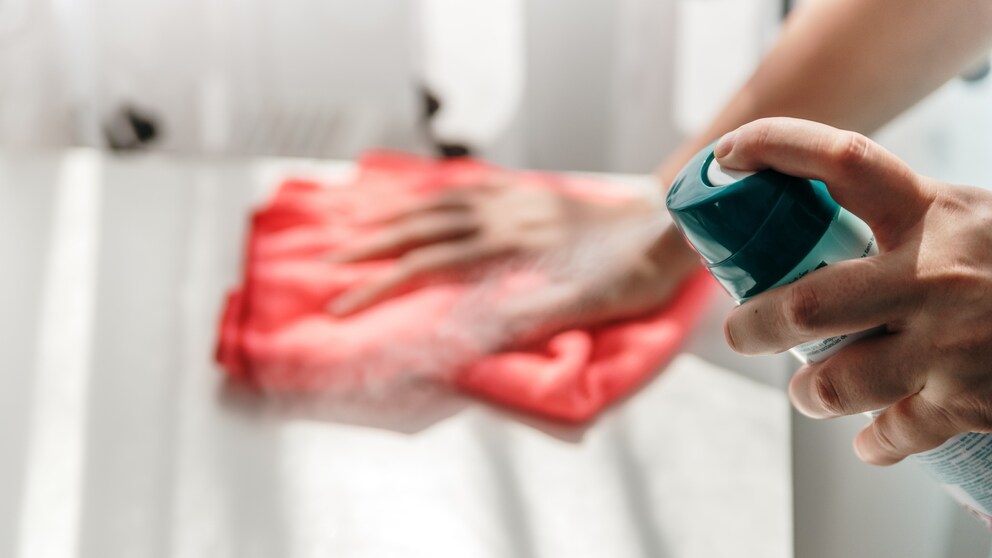
The operation of classic fabric sprays is simple: Just a few sprays, and the laundry should smell freshly washed. Indeed, clothing can be quickly refreshed for a short time. This is due to the odor particles contained, which change the chemical structure in the clothing, dissolving the unpleasant smell.
Stiftung Warentest examined sprays from various manufacturers using a used sneaker. According to their assessment, the sprays significantly improved the smell, but problems also arose: On some textiles, the surface was different after application. Stains and marks also formed in some cases. The result was particularly critical on shiny surfaces. The effect of the fabric sprays lasted for varying lengths of time, depending on the material. On some fabrics, the scent remained for several days. According to the website Codecheck, health-hazardous chemicals are also present.
Also interesting: Odor in the shoe cabinet? The best home remedies for musty shoes
DIY Sprays
Fabric sprays produce a lot of packaging waste. Those who want to counteract this can easily make their own fabric freshener. Here’s what you need:
- 450 milliliters of boiled, lukewarm water
- 50 milliliters of alcohol (vodka or grain alcohol)
- 1 teaspoon of fine baking soda
Simply mix the three ingredients and pour them into an old spray bottle. If you want to not only neutralize unpleasant odors but also enrich the textiles with a special scent, you can add 10 to 15 milliliters of essential oil. However, since the homemade spray is not an industrial product, the scent may quickly dissipate from the fabric.
Scented Sachets
Not for spraying, but for hanging, small scented sachets and pillows are suitable. They are usually hung in the closet or on the wardrobe. The sachets come in scents like lavender and rose. The clothing then absorbs the scent into its fibers. Scented sachets are an environmentally friendly alternative, but it takes some time for the scents to set in the fabric. So if you want an immediate fresh scent, you should look for another option.
Also interesting: Decluttering your closet–5 things that don’t belong there
Battery-Powered Fabric Fresheners
Nowadays, there are also electric devices on the market that make clothes smell fresher. The devices are usually the size of a glasses case, and the operation is simple: You run the device over the fabric, and as soon as it comes into contact with the clothing, it breaks down the unpleasant molecules. Unlike perfumed fabric sprays, they have a more neutral scent.
No matter which solution you choose, often it helps to hang musty clothes in the fresh air–such as overnight on the balcony.