


March 23, 2026, 4:21 pm | Read time: 3 minutes
Regularly cleaning your hairbrush not only promotes hygiene but also healthier hair. How often is this necessary, and what to watch out for?
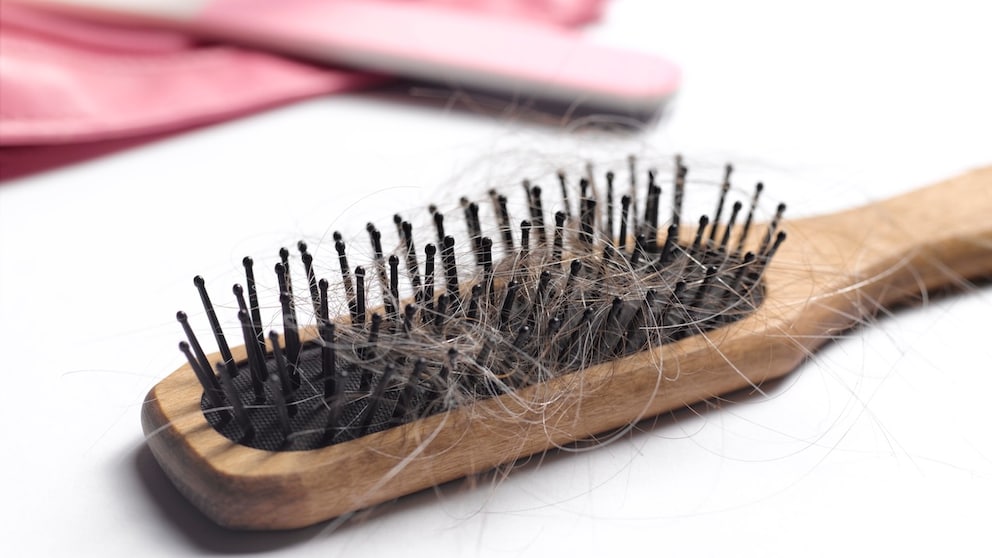
A hairbrush is one of the most frequently used beauty tools in daily life. Despite being used so often, many people forget to clean it. It collects not only hair but also dust, sebum, styling residue, and bacteria. Clean hair requires a clean brush. myHOMEBOOK offers tips on how to clean it.
Why Should You Clean Hairbrushes?
Items used for personal care and cleaning are considered hygiene products, and hairbrushes are no exception. Their function includes personal grooming. Brushes not only detangle hair but also collect sebum, dead skin cells, and dirt. They remove all the things that can be a breeding ground for bacteria. Hairbrushes contribute to body hygiene, especially for the head. To ensure health, it’s necessary to clean the hairbrush regularly.
With each brush stroke, residues get caught in the brush. Loose hair, skin flakes, oil, and remnants of hairspray or gel provide an ideal environment for bacteria and fungi. If you don’t clean the hairbrush regularly, you redistribute these deposits into freshly washed hair. Quickly greasing or dull-looking hair can be a possible consequence.
How Often Should You Clean Hairbrushes?
You should clean your hairbrush regularly. But what does “regularly” mean in this context? You should remove the hair between the bristles daily or after each use. But please don’t flush them down the toilet! Regularly throwing hair down the drain can lead to clogs. It’s better to dispose of them in the trash.
In addition to removing the combed-out hair, you should also thoroughly clean the brush. This should be done about every one to two weeks.

Should You Flush Hair Down the Toilet? Expert Clarifies
9 Common Bathroom Hygiene Mistakes
Cleaning a Hairbrush–Here’s How!
Follow these steps to clean hairbrushes:
- First, remove the hair. This is best done with your fingers or a comb. If the hair is tightly tangled, you can also use a small pair of scissors.
- Fill a bowl with warm water and a bit of shampoo. Alternatively, you can use a mild dish soap.
- Place the brush in the solution. If it’s a plastic brush, you can submerge it completely. Brushes with a wooden handle should not be fully submerged. It’s better to just place the brush head in the water.
- After some time, scrub between the bristles with an old toothbrush or a special cleaning brush.
- Once everything is clean, rinse the brush with clear water.
- Important: Let the brush dry completely. It’s best to turn it with the bristles facing down so the water can drain better.
Pay Attention to the Brush
When cleaning hairbrushes, you should pay attention to the material.
- Plastic brushes: With plastic brushes, you generally don’t have to worry. You can usually soak them completely.
- Wooden brushes: Wood is an organic and, therefore, sensitive material. You should handle water carefully to avoid damage.
- Natural bristles: Not only can the brush body be made of different materials, but the bristles can also vary. With natural bristles, such as those made from animal hair, caution is advised. They are sensitive. Avoid harsh cleaning agents. Mild shampoo and a special brush cleaner are ideal for removing dirt.

myHOMEBOOK Extra Tip
“If sebum and styling products form stubborn residues on the bristles, you can remove them with a home remedy. You only need a teaspoon of baking soda. Dissolve it in warm water. Let the bristles soak for a few minutes. After that, you should be able to remove the deposits.”