

March 16, 2024, 12:13 pm | Read time: 3 minutes
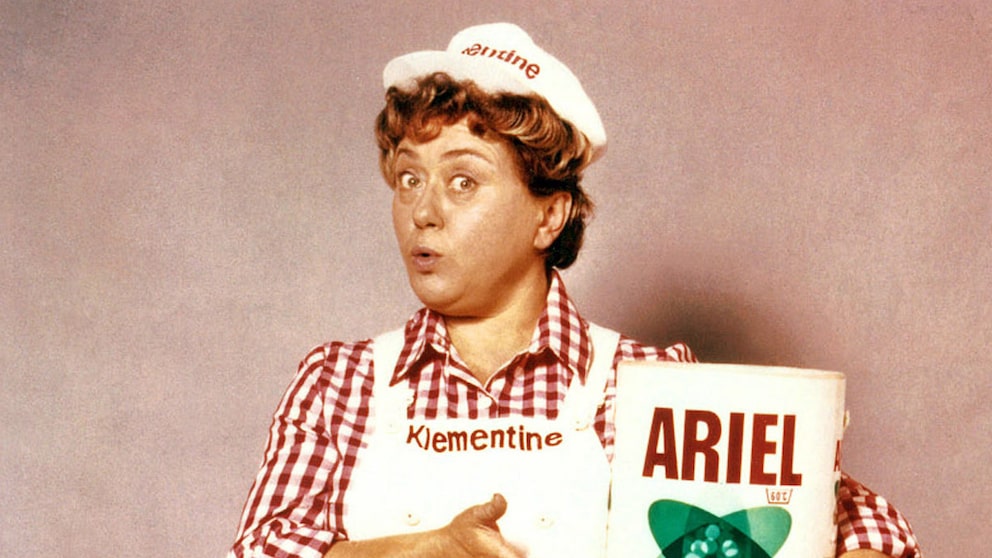
She was the literal cleaning lady of the late ’60s, ’70s, and early ’80s. Wherever Klementine was, it was “not just clean, but deep-clean.” A slogan that became a catchphrase.
Plumber Klementine, tomboyish and always in white overalls and a red-and-white checkered shirt, also shielded by a white painter’s cap, solved every problem in no time. And because where there’s work, there’s also dirt and stains, Klementine naturally had the right solution for that too. Thanks to Klementine, “Ariel” quickly became a success story and between 1968 and 1984, the best-selling detergent in the country.
Klementine Wore the Pants at Ariel
Klementine not only paved the way for “Procter & Gamble,” the American conglomerate that, thanks to brands like Ariel, Gillette, Blend-a-Med, and Pantene, is the world’s second-largest consumer goods provider behind Nestlé. Her impact was also significant for women’s emancipation. A woman in a man’s job, one who literally wore the pants and solved every problem as a troubleshooter–this should have had sociopolitical impact in the late ’60s and early ’70s.
The fact that it initially remained hypothetical was likely because Klementine appeared less feminine. She always encountered helpless beings on the verge of a nervous breakdown, fitting the image of the submissive female that was still widely cemented in the self-image of West German women at the time. Although Klementine herself wore the pants, she undermined other women’s self-determination with her superior demeanor. So she had to educate them each time anew, commanding in her distinctive voice: “Ariel goes in the main wash cycle.”
Also interesting: 10 Household Items No One Has Anymore

The Story of the “Grasshopper” Floor Lamp by Gubi

What You Should Know About the Company Telefunken
From Operetta to Advertising Face
For the alter ego of Germany’s most famous cleaning lady, actress Johanna König, Klementine was both a curse and a blessing. Before World War II, König was mostly at home in operetta, musical, or revue. She was trained early in dance at the Dresden State Opera and later in acting at the Borchardt Drama School in Berlin. After the devastating war, she played the buddy-type woman in several comedies. Already, the first fine character traits of Klementine seemed to be emerging.
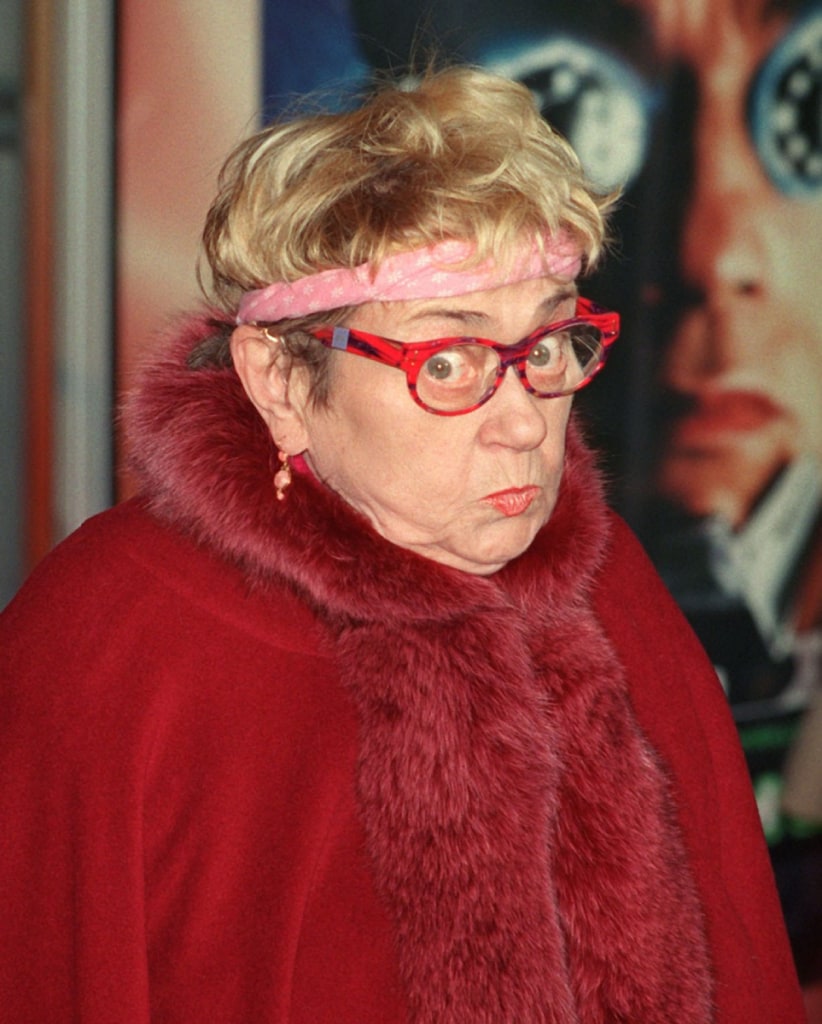
Much later, toward the end of her long career, König regularly appeared alongside Günter Pfitzmann in the ARD evening series “Praxis Bülowbogen.” However, she truly etched herself into the nation’s memory “only” as Klementine. And while there may be worse things than being a commercial icon, König reportedly once said she might have missed out on some roles because the decision-makers didn’t want a well-known advertising face.
Overalls in the Museum
When Johanna König passed away on March 3, 2009, at the age of 87 in Berlin, Klementine lived on. She remains one of the most popular advertising figures in West German TV history, remembered by most fiftysomethings to this day. Her significance was recognized years ago, with her overalls and cap displayed at the House of History in Bonn. Today, these unique items can be admired at the German Advertising Museum in Frankfurt, where they have found a permanent home.
Also interesting: What Ever Happened to “Ata” by Henkel?
Ariel itself, however, is far from being museum-ready. Whether as powder, liquid detergent, or capsules called “All-in-1 Pods,” the brand remains a major player. It regularly competes with Persil for the crown in the German detergent market.