


March 25, 2026, 5:11 am | Read time: 3 minutes
Modern dryers offer numerous programs to optimally dry laundry after washing. While these vary in range depending on the manufacturer, the basic functions are usually similar: They allow for drying different types of textiles and customizing the drying level. myHOMEBOOK has taken a closer look at what exactly is behind each program.
Most Common Dryer Programs
Dryers now offer numerous options for drying different types of textiles or setting the drying level for specific fabrics. Especially in the EU, all devices come with an Eco function.
Eco Program
“In the Eco program, laundry is dried at a low temperature and with reduced drum movements. The dryer runs longer as a result,” says Ingrid Pilgram, spokesperson for ZVEI, the Central Association of German Electrical and Information Technology Trades. Since the energy consumption for the motor is lower than the energy required to reach a certain temperature, the Eco program ultimately saves money.
Cotton Program
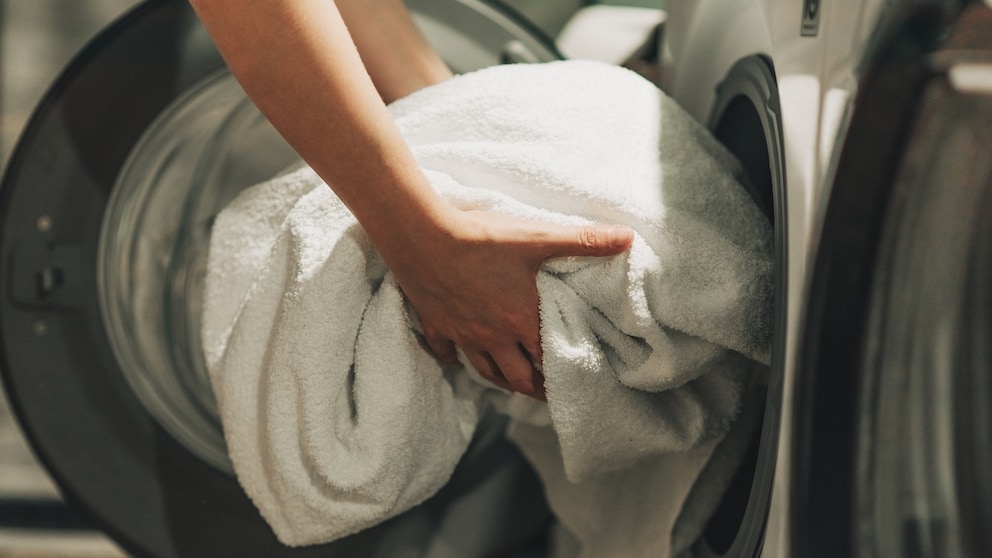
The cotton program “is suitable for sturdy textiles like towels, bed linens, or clothing made mostly of cotton,” explains the ZVEI spokesperson.
Easy Care
“For synthetic fabrics or blends at reduced temperatures, some dryers offer programs with names like ‘Easy Care’ or ‘Mixed Fabrics,’” Pilgram explains.
Delicates
“Those who want to dry delicates or silk textiles will find a corresponding program in most dryers. Here, too, the combination of lower temperature and reduced drum movement ensures gentle drying,” the spokesperson mentions as another program available in many dryers.
Additionally, some devices have so-called special programs. These are generally used for wool garments, outdoor clothing, sportswear, jeans, or shirts.
What the Drying Levels Mean
In addition to textile types, dryers allow you to select the drying level. There are subtle differences here, notes spokesperson Ingrid Pilgram from ZVEI. “Ultimately, this selection is about how much residual moisture remains in the laundry after drying.”
Iron Dry
The term “Iron Dry” speaks for itself. “After drying, the laundry is still slightly damp, making it easier to iron the textiles afterward,” the expert explains.
Cupboard Dry
“With the selection of the drying level ‘Cupboard Dry,’ the laundry is largely dry. Therefore, it can usually be folded and placed directly in the closet,” says Ingrid Pilgram, though she recommends letting the laundry air out a bit to prevent it from developing a musty smell over time in the closet.
Cupboard Dry Plus
Some dryers also offer the drying level “Cupboard Dry Plus” or “Extra Dry.” “This selection should be set for particularly thick or multilayer textiles like terry towels or bed linens. This reduces the residual moisture even in these special fabrics,” explains the ZVEI spokesperson.
But caution: Especially with older dryers, particularly thick fabric parts may remain slightly damp despite the “Extra Dry” preselection. “Modern devices, however, reduce this risk by using moisture sensors and optimized drum movements,” reports Ingrid Pilgram from the Association of the Electrical and Digital Industry.