


January 8, 2026, 3:05 pm | Read time: 3 minutes
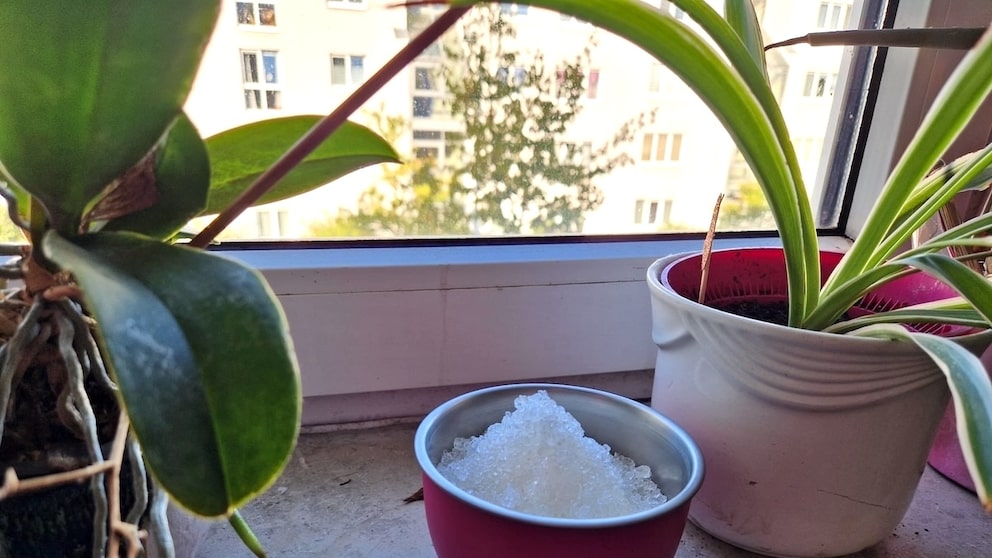
When temperatures drop outside and heaters run at full blast inside, the indoor climate changes as well. Many people complain during this time about dry or stuffy air, fogged-up windows, or even mold growth. A simple yet effective household tip is said to help: a bowl of salt on the windowsill.
Salt as a Natural Moisture Regulator
As soon as it gets cooler outside, condensation often forms on windows. The reason: Cooking, showering, doing laundry, and even breathing produce water vapor in the indoor air. When this vapor hits the cold windowpane, it condenses into water droplets. These damp conditions can promote mold growth.
Salt has the ability to absorb water from the surrounding air. This hygroscopic property makes it a natural helper when the humidity in the home is too high. A bowl of salt on the windowsill can help bind excess moisture, creating a healthier indoor climate.
Protection Against Mold and Musty Air
Moist air indoors is not only unpleasant but can also pose health risks. Mold spores spread particularly quickly in damp environments. By placing bowls of salt, moisture is reduced, preventing mold growth and ensuring fresher air. This trick with the salt bowl can be especially worthwhile in poorly ventilated rooms or on cool exterior walls.
Also interesting: Condensation on the Window? Here’s What You Should Do

Should You Ventilate Despite High Outdoor Humidity?
Regularly Ventilate the Basement Even in Winter
Affordable, Simple, and Sustainable
Compared to electric dehumidifiers, placing a bowl of salt on the windowsill is a cost-effective and sustainable alternative. All you need is regular table salt or coarse salt, which you likely already have at home. Once the salt becomes damp and clumps, it can simply be replaced.
Tip: To maximize the salt’s effectiveness, it’s recommended to use coarse salt and replace it regularly. If desired, you can add a few drops of essential oil—this way, the salt bowl not only acts as a moisture absorber but also as a natural air freshener.
However, the method has a clear limitation: Salt only exhibits its hygroscopic effect at relatively high humidity levels—specifically from around 74 percent. In many households, the average humidity is below this. This means that without a correspondingly high level of water vapor—such as from frequent cooking, showering, or washing—the effect remains rather limited.
A Simple Home Remedy with Impact
Regular ventilation is still considered a proven measure against mold. Opening windows as often as possible ensures that moist, warm indoor air can escape and cooler, drier air can flow in. However, many find this difficult during the colder months, as it also results in heat loss.
For those who still want to try an additional method, the salt trick is worth a shot. Even if its effect is limited, it costs almost nothing—and could be a small but helpful contribution in the fight against moisture and mold.