


September 15, 2023, 9:02 am | Read time: 2 minutes
According to policymakers, heat pumps are the future of heating. A study now confirms the high efficiency of heat pumps—especially at low temperatures.
With the passage of the heating law in the Bundestag, the end of old oil and gas heating systems is drawing closer. Instead, heating systems are to be powered by renewable energy. The heat pump is highly favored—at least in politics. However, there is still widespread uncertainty in society. A new study by researchers at Oxford University might surprise skeptics, particularly regarding whether heat pumps are as efficient as oil and gas heating systems at low temperatures.
Researchers Addressed Recurring Claims
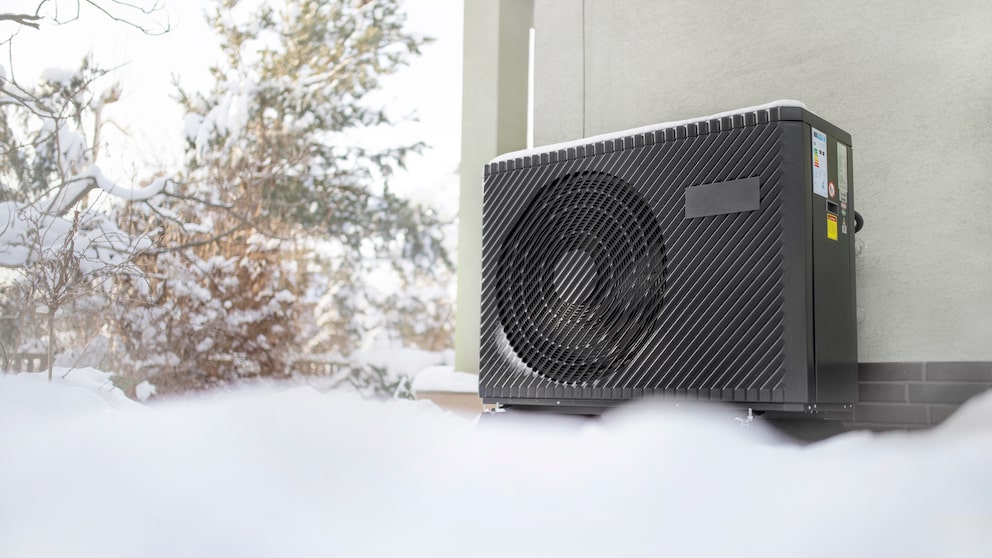
Researchers from Oxford University and the think tank “Regulatory Assistance Project” compared various fossil fuel heating systems with heat pumps, specifically air-source heat pumps. The study was based on the recurring claim that heat pumps are inefficient at low temperatures and do not achieve usable efficiency levels.
Also of interest: Should homeowners wait for municipal heat planning before replacing their heating systems?
Heat Pumps Significantly More Effective
In the energy research journal “Joule”, the researchers write that they have debunked this claim using field studies. They analyzed data from a total of seven field studies in Asia, Europe, and North America.
They found that the efficiency of heat pumps at temperatures below zero degrees is still significantly higher than that of gas and oil heating systems. Heat pumps operated about two to three times more efficiently than fossil fuel heating systems. Even extreme temperatures of minus 30 degrees were tested—and the heat pump still showed higher efficiency than gas and oil heating systems.
The researchers emphasize that further analyses are necessary. Nevertheless, they conclude that air-source heat pumps, despite decreasing efficiency in extreme cold, offer significant efficiency advantages for the energy system overall.