


March 3, 2026, 4:13 pm | Read time: 5 minutes
A bouquet of fresh roses on the table—and after just two or three days, they start to droop sadly. No wonder there are numerous myths about the longevity of cut flowers: sugar in the water, copper coins, aspirin. And supposedly, Viagra can also help cut flowers. In fact, scientists have even studied whether the active ingredient in the potency drug can extend the lifespan of flowers. So, can the medication really keep roses and tulips fresh longer?
Overview
What Is Viagra?
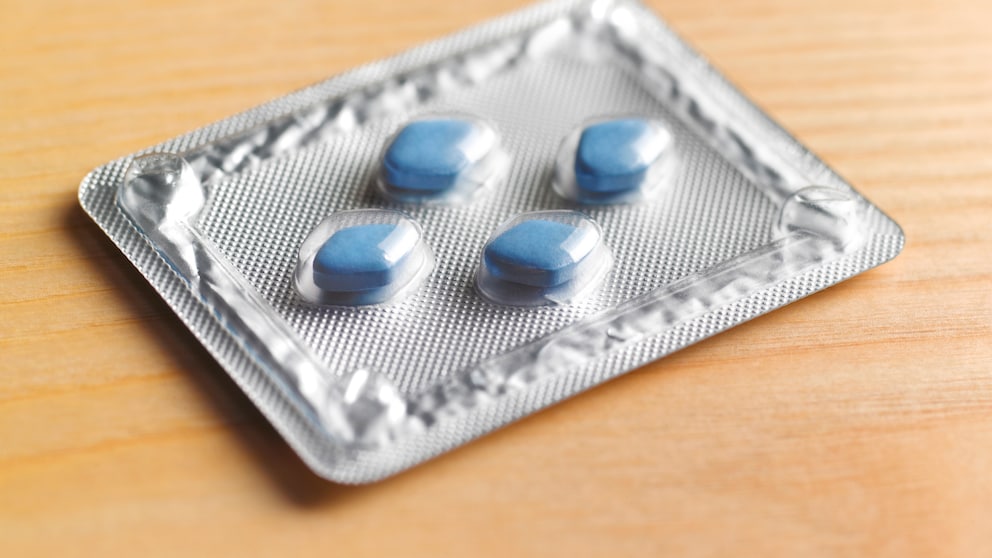
Viagra contains the active ingredient sildenafil. In humans, it causes blood vessels to widen and improves circulation. The medication was originally developed to treat heart problems—its effect on erectile dysfunction was discovered later. But what does this have to do with cut flowers in a vase?
The Idea Behind It
The connection between Viagra and flowers involves a messenger substance called nitric oxide (NO). Sildenafil affects a signaling pathway in the human body related to NO. Nitric oxide plays a role not only in humans but also in plants.
This is precisely where a study from 1999 comes in: Researchers examined whether very small amounts of sildenafil in vase water could extend the longevity of cut flowers. Under controlled laboratory conditions, their experiments showed an extended vase life by several days. A possible mechanism discussed was that NO-dependent signaling pathways might delay aging processes in plant cells.
Nitric Oxide and Plant Aging
Nitric oxide is an important signaling molecule in plants. It influences stress reactions, defense mechanisms, and aging processes. Research has been investigating for years whether so-called NO donors—substances that release nitric oxide—can slow down senescence, the natural aging process of plant tissue.
Indeed, various laboratory studies show that certain NO donors can extend flower freshness in some plant species. However, the effect strongly depends on concentration, plant species, and experimental conditions. Too high or unsuitable dosages can even have opposite effects.
Why Viagra Is Problematic for Cut Flowers
As tempting as the idea sounds, there are good reasons to avoid it:
- No reliable studies for home use: There are no credible studies showing that commercial Viagra measurably keeps cut flowers fresh longer in a vase.
- Incorrect dosage: Medications like Viagra are tailored to the human body. In a vase, concentrations can quickly become too high or ineffective.
- Residues in wastewater: Pharmaceuticals do not belong in the flower water and later in the drain. They can burden sewage treatment plants.
- High cost: For a single tablet (priced between 10 and 20 euros), you can easily buy several bouquets of fresh flowers.

How to Keep Roses Fresh in a Vase Longer

How to Keep Gladiolus Fresh in a Vase Longer
Why Cut Flowers Wilt
Cut flowers are separated from their water and nutrient supply. After being cut:
- air bubbles form in the conduits,
- bacteria multiply in the vase water,
- the plant continuously loses moisture, and
- the natural aging process begins.
The goal of any “preservation measure” is simple: improve water uptake and reduce bacteria.
Viagra for Cut Flowers? What Really Helps
If you want to extend the longevity of cut flowers, you don’t need to try risky home remedies. Two factors are crucial: good water uptake and as few germs as possible in the vase water. The following measures can often extend the lifespan of a bouquet by several days.
Cut Stems Fresh and Correctly
Cut at an angle with a sharp knife to improve water uptake. For delicate flowers, it may help to trim the stems underwater to prevent air from entering the conduits. Woody stems (such as roses) can be slightly slit or gently tapped and fanned out at the bottom, while soft stems should remain clean and smoothly cut.
Remove Leaves Below the Waterline
Old leaves in the water rot quickly and promote bacterial growth. Therefore, they should be consistently removed.
Use a Clean Vase
Hygiene plays a crucial role in the longevity of flowers. Before each refill, thoroughly clean the vase with hot water to reliably remove bacteria, germs, and residues. Then rinse the vase carefully to ensure no cleaning residues remain, and only then fill it with fresh, clean water.
Change Water Regularly
Change the water at least every two days to keep it fresh and clean. At high temperatures, change it even more frequently, as germs and bacteria multiply particularly quickly in warmth.
Adjust Water Level
Not every type of flower needs the same amount of water. Roses or hydrangeas require a higher fill level, while tulips do better with less water but should be refilled regularly. Too much water can promote rot.
Use Flower Food
Commercial preservatives combine sugar (energy source), acidifiers, and antibacterial components in a balanced dosage. This is much more sensible than experimenting with sugar, aspirin, or medications.
Location Is Key
Do not place flowers in direct sunlight or next to the heater. Fruit bowls are also unfavorable, as ripening fruit releases ethylene, a gas that accelerates the aging process.
Remove Wilted Flowers
Cut off wilted flowers as early as possible, as they release more ethylene. This ripening gas accelerates the aging process and causes the entire bouquet to wilt faster.

Regularly “Declutter” Bouquets
“Nothing is more beautiful than a large, colorful bouquet. It’s a shame when the first flowers wilt after a few days. But this fate doesn’t have to befall the entire bouquet. I can usually extend the lifespan of my bouquets to a good two weeks by regularly sorting out wilted or even rotten flowers and trimming the stems of fresh flowers. The water is also renewed each time. This way, the bouquet becomes smaller and more compact over time, but feels like it lasts forever.”