


March 27, 2026, 12:47 pm | Read time: 3 minutes
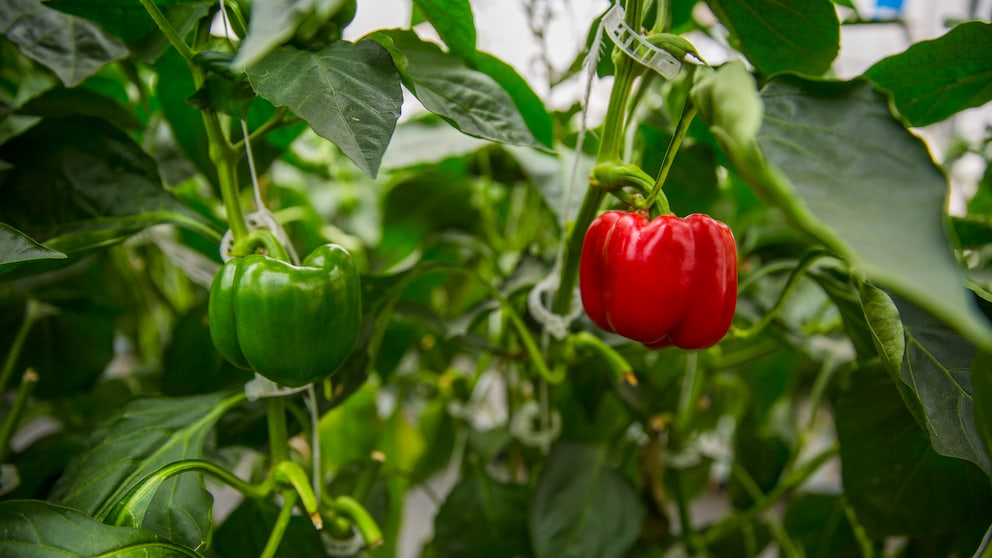
In casseroles, as a vegetable stir-fry, or baked—a bell pepper enhances almost any dish. When bought at the supermarket, it might lack flavor. As is often the case, bell peppers taste much better when you grow them yourself. myHOMEBOOK shares all the essential tips.
Everyone knows citrus fruits like lemons, oranges, and grapefruits are high in vitamin C. However, bell peppers contain significantly more of the vitamin. These vitamin powerhouses can even be cultivated on your own windowsill. Here’s how to grow bell peppers at home and which mistakes to avoid.
Overview
Growing Bell Peppers on the Windowsill
There are many varieties of bell pepper seeds available in stores. However, for a simple and quick option, you can use the seeds from a bell pepper pod. In small seedling pots, trays, or empty egg cartons, distribute seedling soil, pressing a small indentation with a spoon or your fingers. Place a seed in each hollow. Cover the seed with a bit of soil. Finally, moisten the soil with water. Caution: The soil should not be too wet!
Growing Bell Peppers–Four Common Mistakes
1. Mistake: Not Keeping Moisture Constant
While the soil should not be too wet, it must be kept consistently moist. This is best achieved with a bit of plastic wrap over the pots. Place them in a warm, but not too sunny, location. A windowsill that doesn’t get direct sunlight is ideal. It takes about two weeks for the first seedlings to start sprouting.
2. Mistake: Not Waiting for the Ice Saints
After about three weeks, the delicate bell pepper seedlings are stable enough to be repotted. But be careful: The roots are very delicate and can be easily damaged during repotting.
Originally from Central and South America, bell peppers adapt well to our climate. However, the plant does not like very low temperatures. Therefore, bell peppers should only be placed on the balcony or transplanted into the garden bed when there is no longer a risk of frost. The Ice Saints are an important date to consider. Plant or bamboo stakes in the pot or bed help with climbing and support.
3. Mistake: Not Removing the First Bloom
This topic divides growers. To give the plant more strength, some plant experts pinch off the first bloom, known as the king bloom. This is supposed to encourage the growth of many more blooms, which eventually develop into bell pepper fruits.
4. Mistake: Not Fertilizing Bell Peppers Enough
Unlike seedlings, the growing bell pepper plant needs a lot of water, especially in summer. It should be watered daily. Additionally, the plants should be regularly supplied with organic fertilizer. Compost or horn meal is suitable for this. By August, the first fruits are ready to harvest.