


December 21, 2022, 9:55 am | Read time: 3 minutes
Whoa, what’s jumping out at me? Has this ever happened to you while watering your houseplants? Then they’re probably infested with springtails.
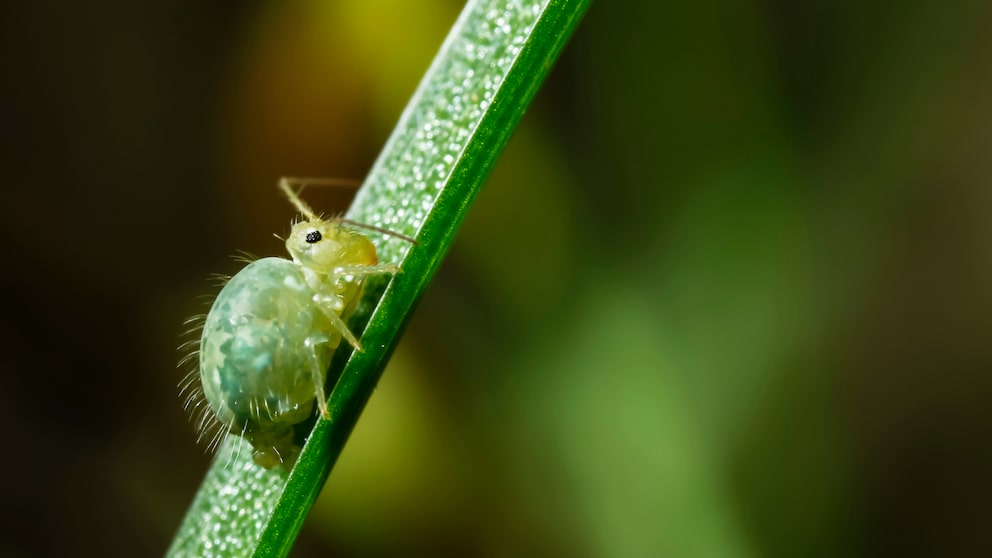
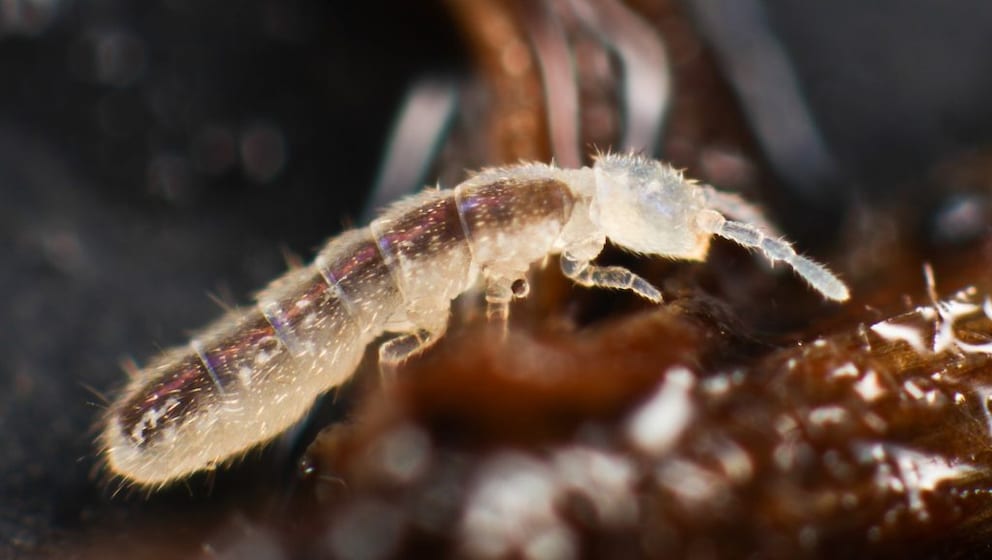
Springtails (Collembola) are tiny arthropods that mostly live in the top layer of soil. However, some species also live above ground. Springtails don’t have wings, but the above-ground species have a forked appendage on their underside that allows them to jump reflexively when threatened. Those living in the soil secrete a substance to protect themselves from predators.
These tiny primitive insects feed on decaying plant material, which they transform into valuable humus. They are thus valuable soil dwellers for garden soil and compost. However, these little jumpers can become a big problem.
Can Springtails Become a Nuisance?
Yes. Sometimes these small creatures multiply explosively in flower pots. Their mass appearance often becomes a nuisance in winter or spring under optimal living conditions. This happens, for example, if you keep the potting soil too moist or use too much organic fertilizer.
Also interesting: What to do about pests on potted plants in winter
The insects can also easily get into the soil if your flower pots are left outside for extended periods. Humus-rich potting soil from the garden center is also a real treat for them. During a population explosion, the hungry insects may also attack intact, fine roots, causing feeding damage.
Also worth reading: Effectively combating the plant pest thrips
How to Get Rid of Springtails?
In the garden, you don’t need to take action against springtails. It would be a shame to lose these beneficial creatures. The following gentle measures can help against an infestation of houseplants:
Plant Bath
Immerse the infested plant or root ball in a bucket filled with water. After about 30 minutes, the insects will float to the surface. You can then pour off the water and repot the plant.
Dry Treatment
Springtails thrive in moist environments. Therefore, always ensure that you do not cause waterlogging when watering. Water again only when the soil in the flower pot is slightly dried out. A finger test is sufficient for this.
Predatory Mites
Using predatory mites like “Hypoaspis miles” is also helpful in combating too many springtails. These small omnivores also prey on fungus gnats or thrips. You can get predatory mites from specialty stores or online. How to properly use nematodes is explained by myHOMEBOOK in this article.
Cleanliness
Springtails love dead plant parts. Therefore, regularly remove fallen leaves, flowers, or other plant parts from the flower pot.