


August 4, 2025, 3:03 pm | Read time: 4 minutes
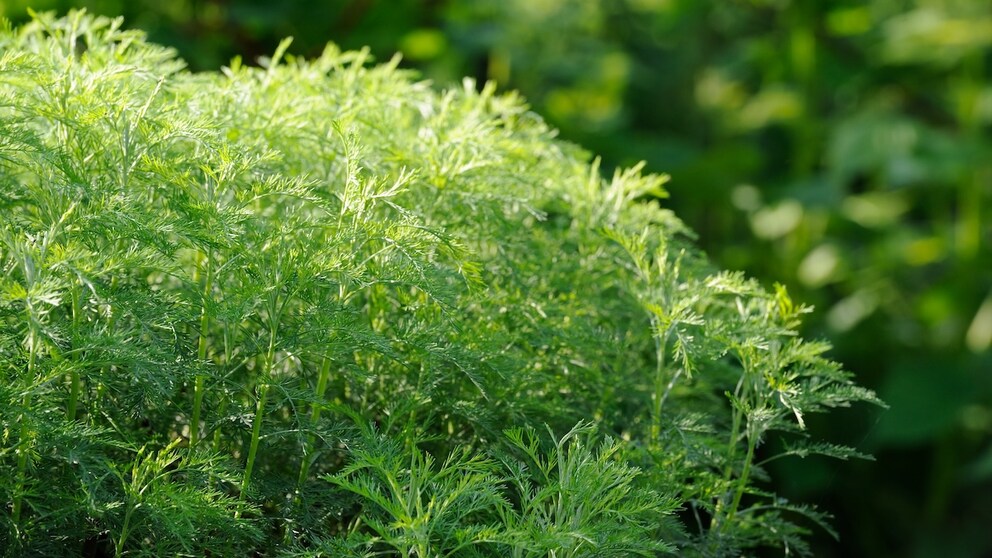
Making your own soft drinks is trending, and a modest plant is capturing the attention of many adventurous home cooks: the so-called cola herb. It gives homemade lemonade a surprisingly familiar flavor. However, not all parts of the plant are edible. myHOMEBOOK explains what to consider when using cola herb.
Revival of a Nearly Forgotten Plant
Those searching for lemonade recipes often come across a special ingredient these days: cola herb. Many recipes are based on a syrup made from water, sugar, lemon juice—and this aromatic plant—which is then topped off with sparkling water.
However, cola herb is not a new discovery but a subspecies of southernwood, as Andrea Danitschek from the Bavarian Consumer Center explains. “Southernwood is an old seasoning and medicinal plant, currently experiencing a small revival under the names cola herb or lemonade plant,” says the nutrition expert. In terms of taste and aroma, it indeed resembles cola—an effect that has earned it a new place in modern cuisine.
Use Only the Young Shoots of the Cola Herb
Cola herb is easy to grow in the garden or in a pot and is available in many nurseries. In the kitchen, however, only the fresh, young shoot tips should be used, as older plant parts develop a distinctly bitter taste.
In addition to homemade lemonade, cola herb is also suitable for other culinary uses: It can be an ingredient for tea infusions, enhance the flavor of dips and salads, or give meat marinades a special note.
Not Suitable for Pregnant Women
The plant’s typical aroma is created by a combination of essential oils and bitter substances. A particular component is the bitter substance thujone, which is also found in other herbs like sage or wormwood. Thujone is neurotoxic in high doses but is harmless in typical culinary amounts.
Nevertheless, pregnant women should avoid consuming southernwood as a precaution, as the plant compound can have labor-inducing effects.

How to Easily Make Your Own Rose Petal Syrup
The Perfect Time to Prune Rosemary
What to Consider When Caring for Cola Herb
Whether in a pot or in the ground, cola herb requires certain conditions to grow well. The best location for cola herb is a sunny, preferably wind-protected spot. The plant prefers well-drained, rather dry soils and can also cope with poor conditions. Waterlogging should be avoided, as the roots are sensitive to too much moisture.
From about mid-May, cola herb can be planted. The period of late frosts should be over. In a pot, a sufficiently large container with a drainage layer should be used to drain excess water effectively.
When watering, it’s better to be sparing than excessive. Especially in summer, the soil should be allowed to dry slightly between waterings. Fertilization is rarely necessary—ideally, once in spring with some organic fertilizer.
Regular pruning promotes bushy growth and ensures that the plant produces as many young, aromatic shoots as possible. Harvesting is best done in the morning when the aroma of the essential oils is most intense.
In winter, cola herb is somewhat frost-resistant. In mild regions, it can overwinter planted in the bed but should be protected with brushwood or fleece. Plants cultivated in pots are best placed in a frost-free, bright location. With a little care, cola herb can be used for many years.
Can Blooming Cola Herb Still Be Used?
Some herbs, like parsley, become toxic when they bloom. Cola herb can still be used when blooming, but with limitations. Once the plant blooms, it focuses more energy on flower production—affecting its aroma and ingredients. The young shoot tips used in the kitchen often lose flavor or develop a stronger bitterness.
Regular harvesting or pruning of cola herb can delay flowering and allow for longer harvesting of aromatic shoots. If the plant is already in bloom, the flower heads should be removed to encourage the growth of new, fresh shoots.
With material from dpa