


April 5, 2024, 3:47 am | Read time: 2 minutes
Anyone who owns more than five potted plants is likely familiar with the problem: When should each plant be watered, and how much water does it need to thrive? Every plant has different needs that you want to meet.
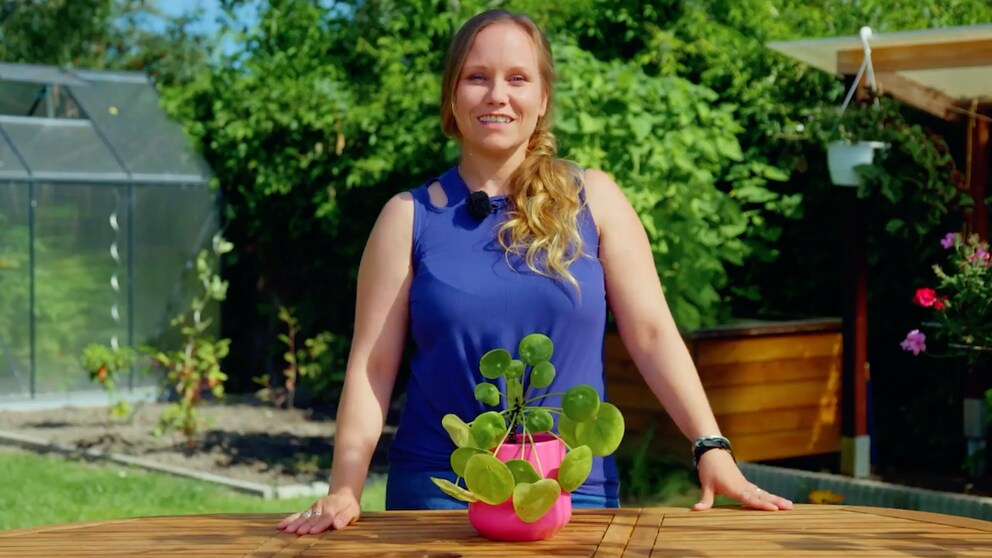
One plant needs a lot of water, while another requires little. But how do you keep track of when each plant needs watering? myHOMEBOOK editor Franka Kruse-Gering explains in the video how to use the finger test to determine if houseplants need water.
What Is the Purpose of the Finger Test?
The finger test is a simple way to determine if a houseplant needs water or if the soil is still moist enough. You can see if the soil looks dry and crumbly or moist and well-soaked when you look at a potted plant. However, you can’t see what’s happening inside the soil ball, at the root level, which is crucial.
How to Perform the Finger Test on Houseplants
The finger test is very simple. You only need a plant in soil and a finger. If you’re unsure whether a houseplant needs water, simply insert a finger about one to two centimeters into the soil. If the soil is moist at that depth, the plant doesn’t need additional water. However, if the finger test reveals that the soil is dry and crumbly, the houseplant should be watered.