


September 26, 2025, 3:11 am | Read time: 4 minutes
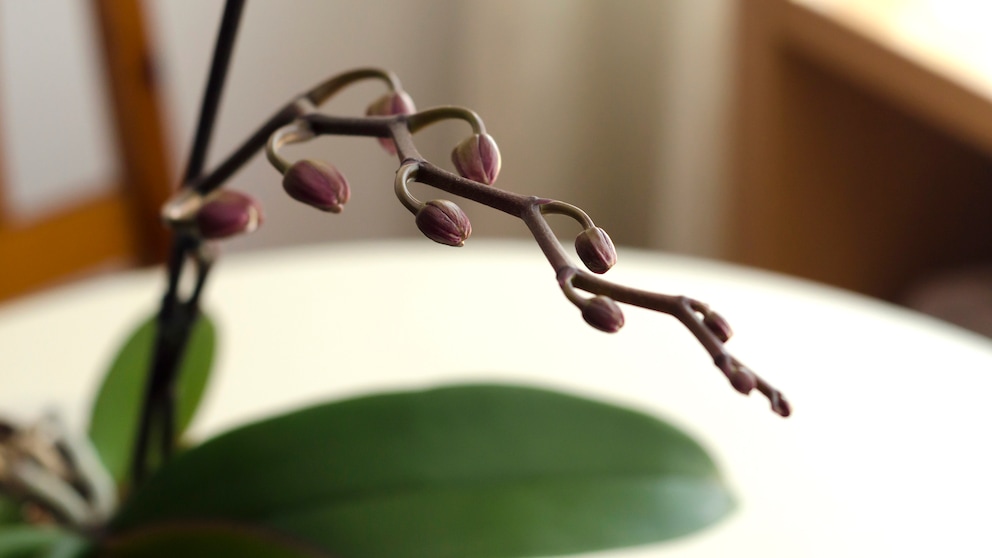
Orchids are among the most popular houseplants. Their delicate blooms make them true gems on the windowsill. It’s all the more frustrating when the orchid loses its buds. What’s behind this? And how can it be prevented?
Overview
Why Do Orchids Lose Buds?
When an orchid drops its buds, it’s often referred to as “bud drop.” There are various causes for this:
- Temperature fluctuations: A location directly by a frequently opened window or above a heater stresses the plant.
- Drafts: Cold air drafts, such as when airing out, can cause buds to fall if the plant is exposed to drafts.
- Too little light: Especially in winter, daylight is often insufficient for the buds to develop further. This is particularly true for plants located in the middle of a room.
- Watering errors: Both too much and too little water stress the plant. Waterlogging quickly leads to root rot. Those who water orchids traditionally every few days risk the delicate root network of the plant rotting.
- Location change: Orchids dislike being moved—if the plant is relocated during bud formation, it may respond with bud drop.
- Ethylene gas: Ripe fruit nearby releases ethylene. This accelerates the aging process of the buds. This can occur, for example, if the plant is in the kitchen next to a fruit bowl.
What To Do When the Orchid Loses Buds?
Stay Calm
The plant is not completely lost. It often recovers and produces new buds. Taking many supposedly helpful measures in a hurry is usually counterproductive, as many changes at once stress orchids.
Check Location
A bright but not sunny spot without drafts is ideal. This could be a north-facing window that usually remains closed. A side table next to a window can also be a good location, as long as there are no drafts or the plant is not directly in front of a heater.
Water Correctly
Watering is the wrong term for orchids. It’s best to immerse the pot once a week in room-temperature water and let it drain well. This way, the roots and the coarse substrate soak up water, but no excess remains in the outer pot. This keeps the orchid well-supplied for a week.
Increase Humidity
Orchids like a humid climate. A bowl of water next to the plant or regular misting can help. It’s no coincidence that orchids are often found in bathrooms. However, this should not be exposed to strong temperature fluctuations.
Adjust Fertilization
Before and during bud formation, orchid fertilizer benefits the plant. This can be sparingly added to the immersion water.
How to Prevent Bud Drop
To prevent bud drop, it’s worth giving the orchid a constant location, not placing it next to fruit bowls, and possibly using a plant lamp in winter. These combined measures don’t guarantee blooming, but they can significantly increase the chance of abundant bud formation.

Possible Reasons Why Orchids Lose Their Blooms

5 Popular Houseplants That Don’t Tolerate Relocation
More Care Tips for Orchids
To enjoy your orchids for a long time, cultivate them in transparent pots—this allows you to check the condition of the roots before the weekly immersion. Also, only remove dead, brown aerial roots, while green ones should remain. After blooming, you can cut the flower stem just above a node—this increases the chance of a second round of blooms.
Easy-Care Orchid Varieties
Not all orchids are equally demanding. The moth orchid (Phalaenopsis) is particularly easy to care for. It’s considered a beginner plant and often blooms for several months at a time. Cambria orchids also do well with normal room air and don’t require extensive care. For something more exotic, you can opt for Cymbidium: These orchids are robust and tolerate cooler temperatures as long as they get enough light.

A Humid Microclimate Works Wonders
“Orchids, in particular, benefit greatly from a stable microclimate. I like to group my plants together—this naturally increases the humidity in that area and makes care easier. If you don’t want to use a humidifier, small water bowls or indoor fountains can create a pleasant climate. This can also create a tropical-exotic ambiance in a part of the home.”