


February 28, 2024, 10:09 am | Read time: 3 minutes
Some things in life are discovered purely by chance: The Post-it was never intended as such, and the tea bag was invented through a mistaken use of packaging. Rare, once-thought-extinct, or entirely new plants are also often discovered by chance. This was the case with the research team led by James Dalling from the University of Illinois.
Whether it’s plants that can glow, emit wonderful scents, or stink so much they take your breath away–nature has created wondrous things to ensure a plant’s survival. Researchers in the rainforest of Panama have come across a plant that performs a kind of self-recycling.
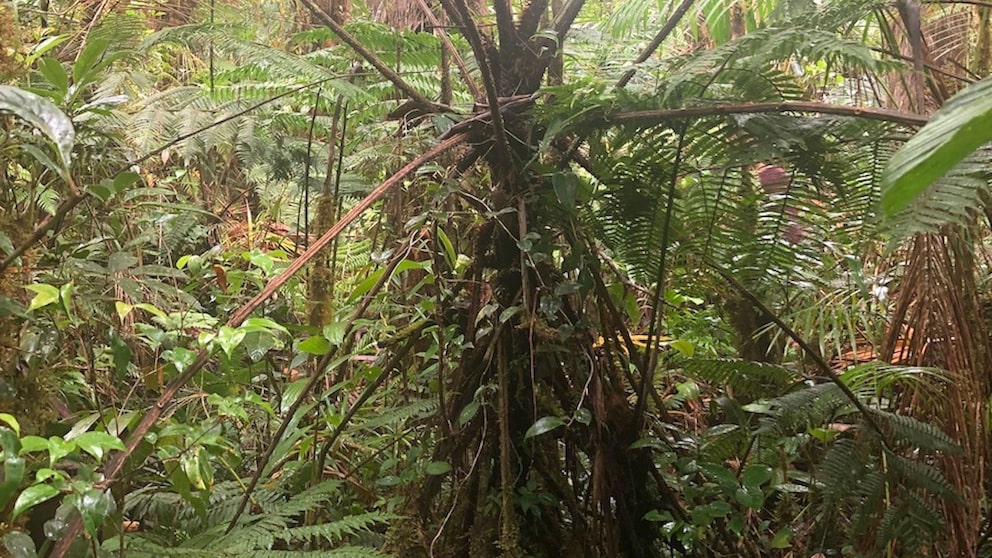
“Zombie Plant” Discovered in the Jungle
In the rainforest of Panama, botanists have discovered a fern that reuses dead leaves. Normally, dead leaves fall off plants and decompose. They break down and contribute to humus formation.
Not so with the accidental discovery by Dalling and his team. They found a fern that transforms its dead fronds into new roots. This allows the parent plant to continue being nourished. A press release states that the fern “Cyathea rojasiana” alters the function of its leaves. The water flow is repurposed, it says.
Also interesting: Researchers discover how plants protect themselves from frost

Expert Explains When Orchids Can Still Be Saved

Flower Meadow or Lawn? Eco Experiment Shows Which Is Better
How Does the Transformation of the “Zombie Plant” Work?
The fern’s fronds bend and partially lay on the ground. But instead of dying, they form a root network, it says. It has been proven that these leaves extract nitrogen from the soil and thus supply the parent plant.
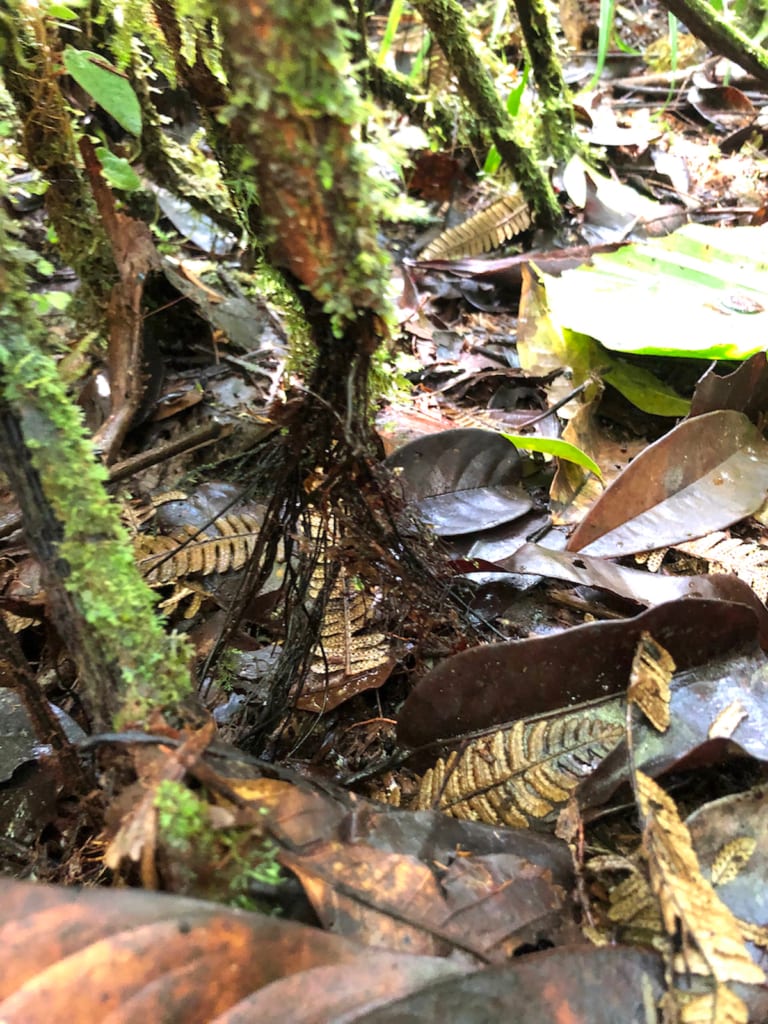
The remarkable thing is that the fronds are not revived; they remain dried on the ground. Dalling suspects that this type of leaf reuse was only discovered so late for this reason. “This is a truly novel repurposing of tissue. And it differs from what we know about other ferns,” says the expert.
Why the Plant Developed This Way
Follow myHOMEBOOK on WhatsApp now!
The researchers can only speculate, but they explain in the press release that the fern may have developed this repurposing due to its location. Panama is a land bridge between North and South America. It emerged from an island archipelago seven million years ago. The islands are the result of past volcanic activity, Dalling explains. “At one site we discovered, a several-meter-thick layer of volcanic ash looks like sand you would dig up at a sandy beach. The plants growing there differ from those we find elsewhere in this forest reserve,” it continues. They have to work harder and be more inventive to access nutrients.