

November 18, 2022, 5:33 am | Read time: 5 minutes
Houseplants not only make your home more livable, but gardening at home can also be a lot of fun. However, not every plant thrives in every room. They have different requirements for their location.
Whether in the kitchen, bathroom, or bedroom, houseplants are a must for many people. To enjoy them for a long time, the right location is crucial—it must meet the specific needs of the houseplant. “The location is defined by the room temperature and the light situation,” says Olaf Beier, a master gardener from Siek and board member of the Federal Association of Retail Gardeners (BVE). If a window faces south, it is very bright and quickly warms up. “Such a spot right by the window is unsuitable for many plants,” says master gardener Beier.
Bright, but Not Too Sunny
There are also houseplants that thrive in particularly sunny and warm locations, such as cacti. They are favorites for south-facing windows. Other succulents, like the jade plant, can handle the temperature itself. However, because the glass acts like a magnifying glass, they can suffer leaf burns on sunny days.
A bright location without direct sunlight can be found at windows facing west or east. “This way, the plants get enough light,” says Dortmund florist Ute Kersting. However, she points out that you shouldn’t rely on human perception of brightness. It’s better to check the light intensity with a device like a lux meter.
Monstera and Snake Plant Don’t Need Much Light
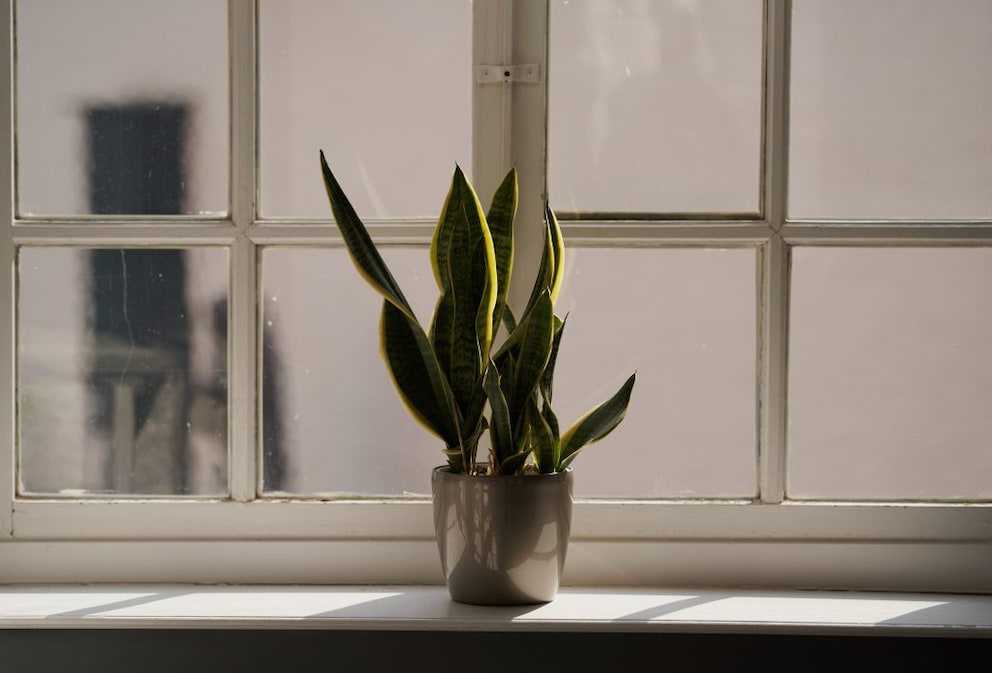
“A plant needs at least 600 lux to survive, and definitely 1000 lux to grow,” says Ute Kersting. The window glass, curtains, and even the distance from the window reduce the light intensity in a room. Here, plants that can manage with less light are needed. “These are usually large-leaved green plants from the lower vegetation layers of the tropics,” explains Olaf Beier. He cites examples such as pothos, peace lily, and calathea. Monstera and snake plant also grow well in low light. The room temperature for these plants should be around 64 to 68 degrees Fahrenheit.
Because dry heating air also provides good conditions for pests, florist Kersting generally advises leaving the filled watering can among the plants. Additionally, place water bowls or hang evaporators on the radiators. This is because scale and mealybugs, spider mites, and thrips can be repelled by sufficiently high humidity.
Long-Lasting Plants for Living Spaces
For living spaces, easy-care and long-lasting houseplants are suitable. Beier recommends the narrow-leaved dragon tree, botanically Dracaena marginata. “In bright, not fully sunny areas, all types of ficus can also be used,” says the master gardener. Climbing plants like pothos and philodendron are not only very easy to care for but also find a place on a sideboard, cabinet, or shelf.
Herbs Fit in the Kitchen
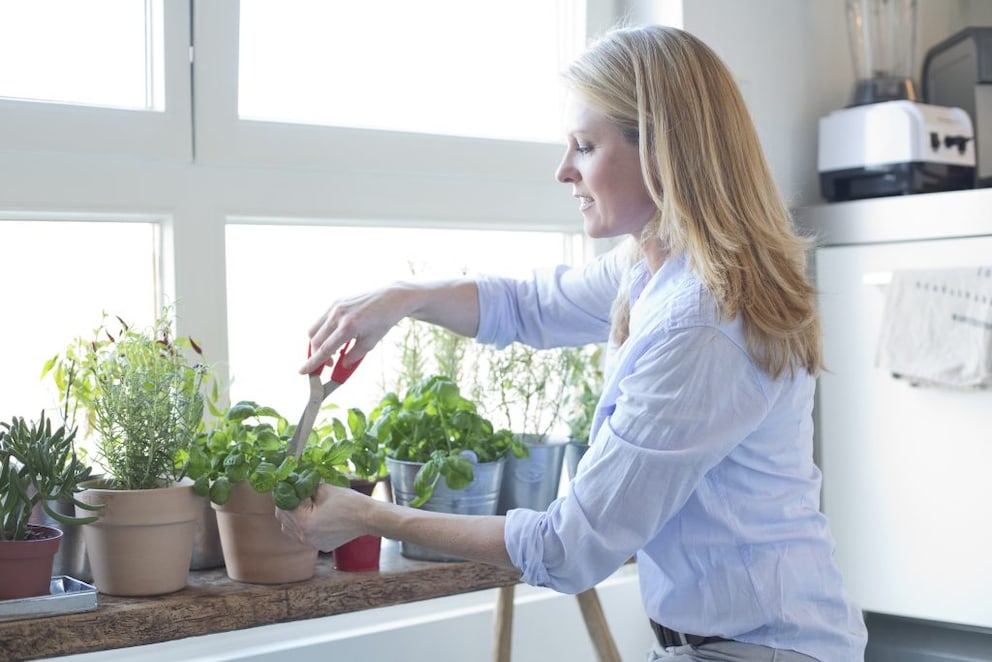
“The trend for the kitchen window is herbs,” says Kersting. Perfect indoor herbs for her are savory, mint varieties, chives, basil, and parsley. These can be harvested regularly and grow back directly. The fragrant plants smell good and are a great addition to cocktails.
However, there is often a problem in the kitchen: During cooking, ventilation is necessary. For the plants on the windowsill, the cold air in fall and winter means a sudden temperature shock. Additionally, the draft automatically carries pests into the interior, which settle directly on the plants.
Tip: Not just for the kitchen: When airing out, move the plants to the side to prevent damage.
6 Plants That Help Cool Your Home
6 Plants That Help Against Mold in the Bathroom
Ferns for the Bathroom
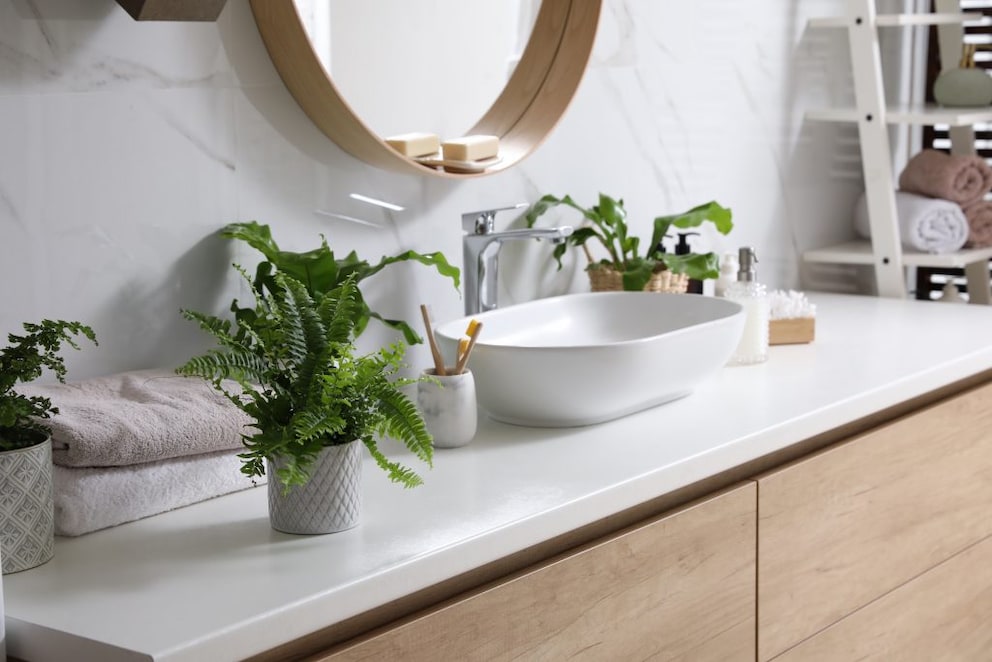
Those looking for plants for the bathroom must also find suitable specimens. Bathrooms usually have high humidity. At the same time, they are often ventilated to prevent mold. “A characteristic of the bathroom is a dark light situation,” says Beier. For such locations, usually at a north window, Kersting recommends ferns.
Color Accents for the Office
Plants also do well in offices. They calm and create a pleasant atmosphere. “This is important when a PC is in the room,” explains florist Kersting. Plants are air fresheners. They increase humidity and also filter pollutants from the air.
As an example of a perfect office plant, Kersting mentions the spider plant. It is easy to care for and adaptable. For a blooming color aspect, Beier recommends the moth orchid. “It doesn’t need much water and can tolerate a drop in room temperature at night,” says the master gardener. Additionally, the coolness at night even stimulates flower formation.
If the location and plant are well matched, don’t forget the right care. The health of most houseplants suffers from overwatering, says Kersting. “If the roots stand in water for too long, it weakens the plants and leads to irreparable damage.” So, before watering, it’s better to check with your finger if the soil is dry. After watering, remove excess water from the planter.
With material from dpa