
July 28, 2025, 11:03 am | Read time: 3 minutes
July is considered peak season for numerous berry bushes. In many gardens, the fruits are ripe and ready for harvest. To ensure that berry bushes and fruit trees continue to produce abundantly and even increase their yields, targeted pruning is necessary during this phase. If this maintenance is neglected, the plants will age and yield significantly less over time. myHOMEBOOK explains which plants should be pruned in July and what aspects to consider.
Follow myHOMEBOOK on WhatsApp now
Gooseberry
To ensure the gooseberry produces many delicious fruits each year, a hard pruning is required after harvest. About six to eight of the strong main shoots should remain–the rest should be removed. Additionally, these main shoots should not be older than four years, as yields will significantly decrease otherwise. The remaining main shoots and young ground shoots should be cut directly at the base. If there are branches growing horizontally or inward, they should also be removed.
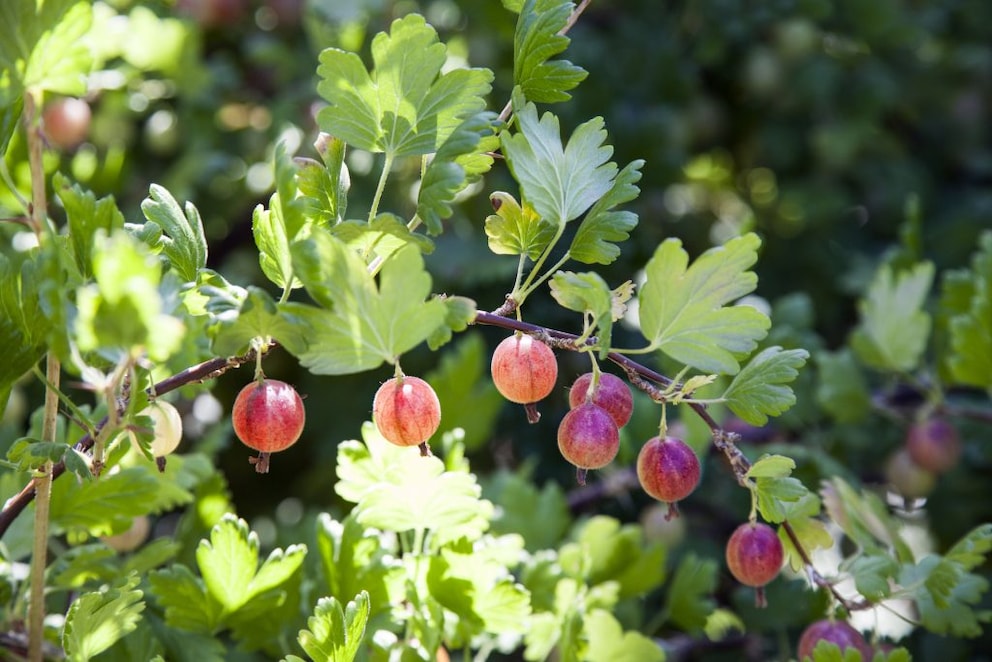
Note: For the remaining main shoots and the one-year-old side shoots, it is crucial not to cut the long ends. The best gooseberries grow on them.
Also interesting: Gardening tasks for July
Summer Raspberry
Summer raspberries are also among the plants that should be pruned in July, after harvest. The harvested canes should be removed close to the ground. Only young canes remain, which will become the new fruiting canes when thinning the new shoots in spring or early summer. After thinning, no more than ten strong main canes should remain.
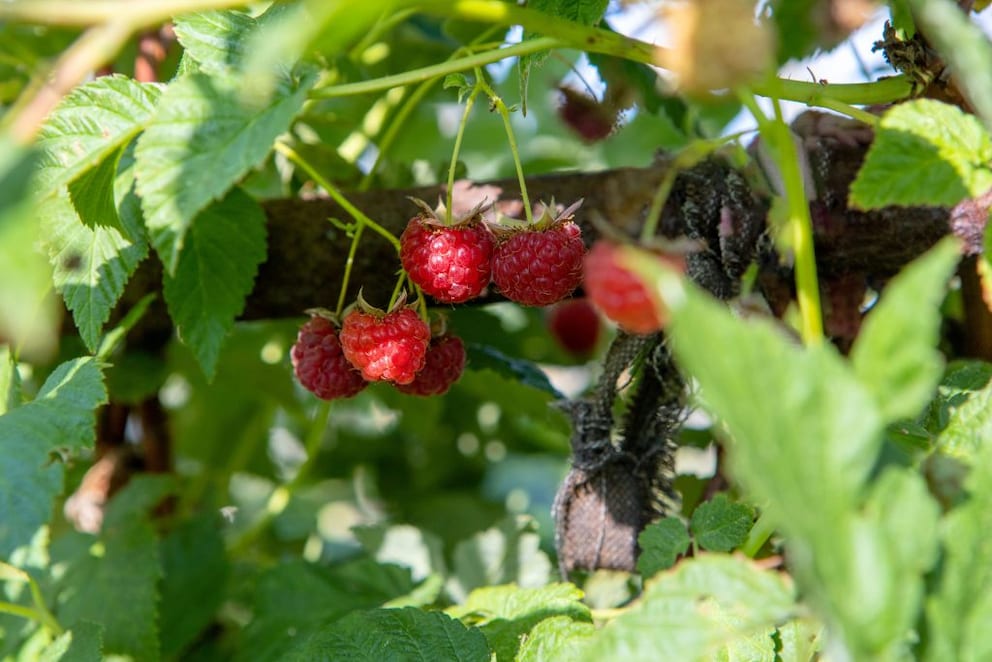
Note: If you don’t want to wait until after the harvest to prune, you can also cut the entire fruiting canes with the last ripe raspberries. This way, you can easily pick the berries, and the fruit-bearing branches are easier to identify.
Planting and caring for blackcurrants in the garden
Plan Your Berry Patch Correctly and Harvest All Summer Long
Currant
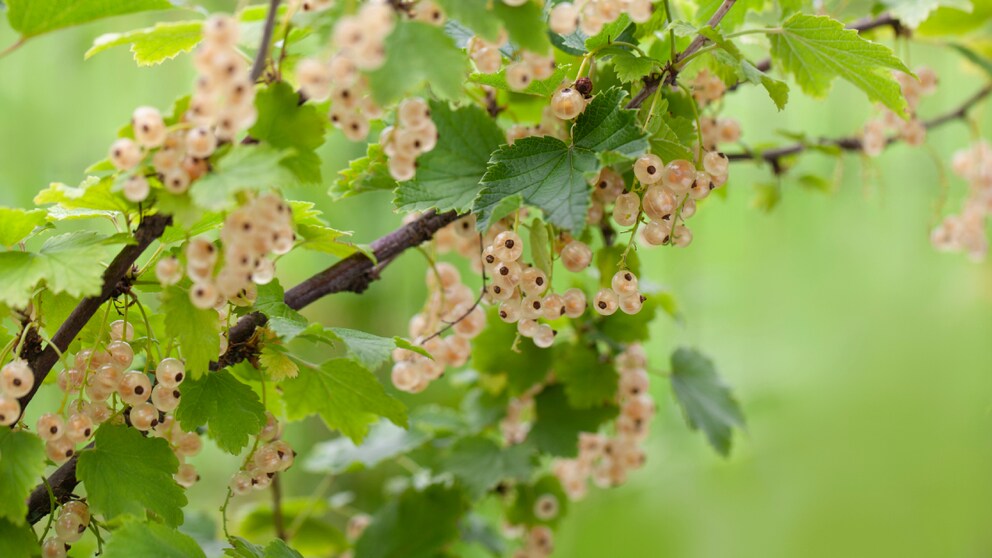
Like other bushes, currants should be pruned regularly to produce long clusters of delicious berries. If the plant is allowed to age, yields will significantly decrease after about four years. The clusters become shorter, and the berries smaller. Therefore, the bush should ideally be pruned after harvest–this applies to both red and white currants.
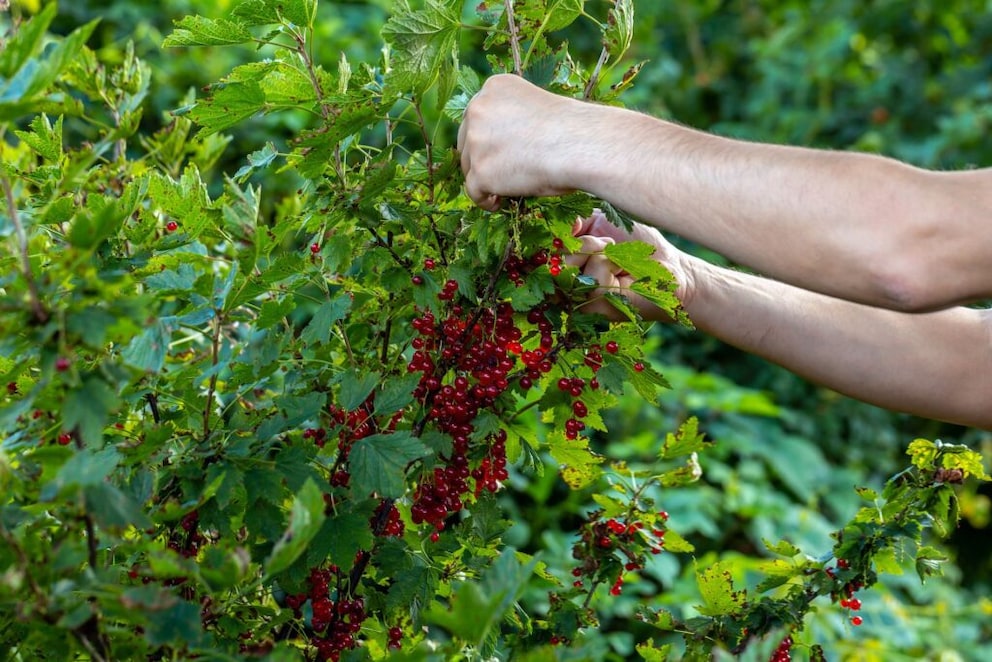
It’s best to shorten the side shoots that have already been harvested, leaving only stubs. Side shoots that have grown particularly close to the ground, as well as interfering and weak branches and three- or four-year-old twigs, should be completely removed. To ensure the plant renews itself each year and continues to produce many berries, only six to eight of the old ground shoots should remain.
Apple Tree
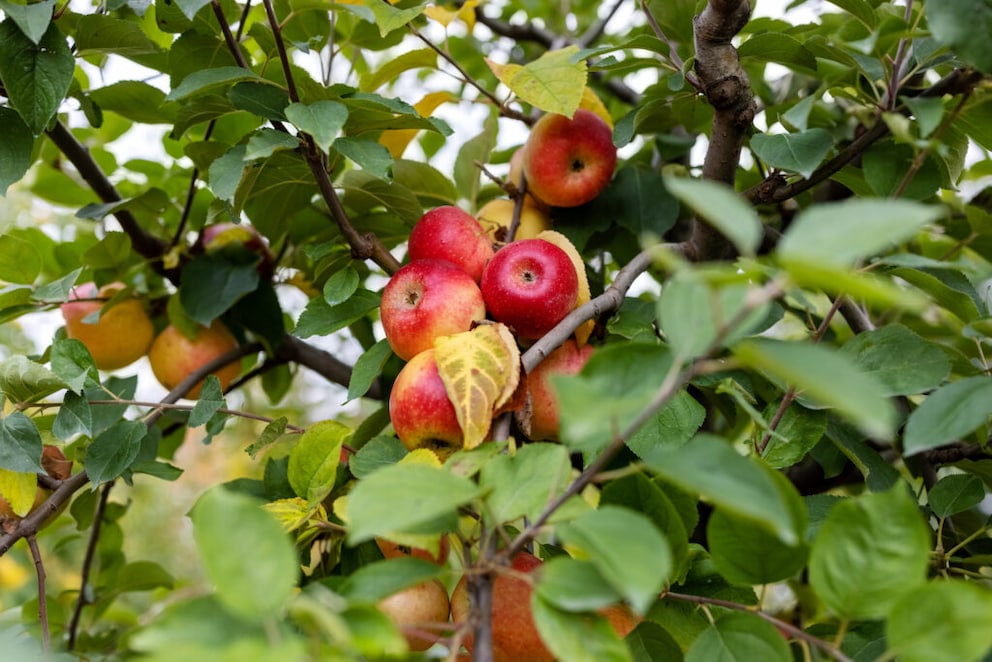
Apple trees are also among the plants that should be pruned in July–but more conservatively. The ideal time is between July and August. Primarily young shoots are cut, while old wood is removed during the more extensive pruning in spring. The light summer pruning should be completed by mid-September at the latest, allowing the apple tree enough time to heal its wounds.
Young shoots can simply be broken off, which helps the wounds heal better. One-year-old shoots can also be removed if they grow too steeply upward.