


October 22, 2026, 12:31 pm | Read time: 3 minutes
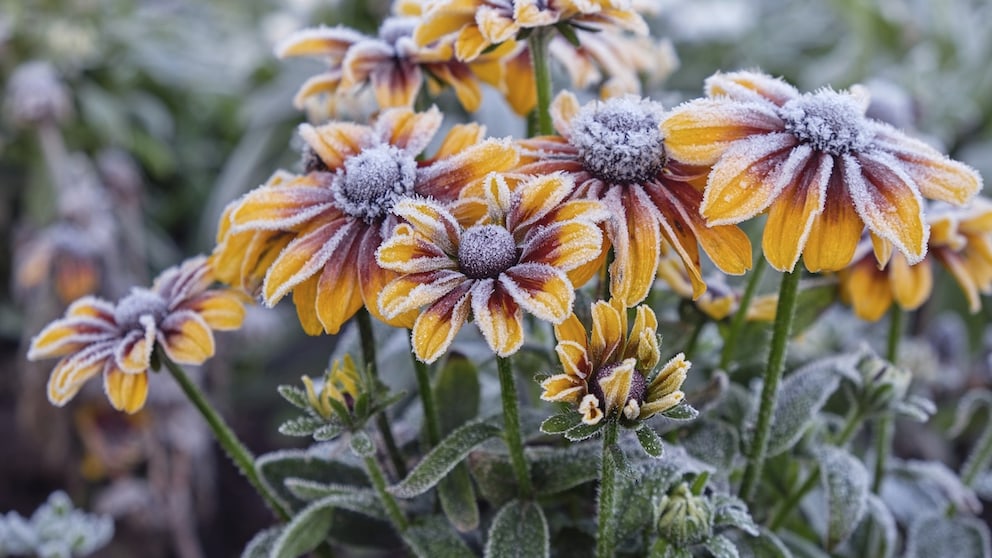
Coneflower is among the most popular perennials in the garden. With its striking blooms, it adds color to the flower bed from summer into fall and attracts numerous insects. However, many hobby gardeners wonder what happens to the plant in winter. Does coneflower need protection, or does it withstand the cold season without issue? myHOMEBOOK gardening expert Franka Kruse-Gering explains what to consider.
Is Coneflower Hardy in Winter?
In most cases, the answer is yes. Especially the purple coneflower (Echinacea purpurea) is considered hardy and copes well with winters in Germany. Specimens planted in flower beds usually do not require special winter protection. It is crucial that they grow in a sunny location with well-drained soil. Waterlogging in winter is often more problematic for coneflower than frost.

Should Coneflower Be Cut Back Before Winter?
It is advisable to leave the faded stems and seed heads standing initially. They not only provide natural protection for the plant base but also serve as a food source for birds with their seeds. Only in early spring, just before new growth, should the dried plant parts be removed close to the ground.
How Coneflower Overwinters in the Flower Bed
Those who have planted coneflower in the garden usually need to do little. However, some measures can help the plant stay healthy through the cold season:
- Keep the soil as well-drained as possible to prevent waterlogging.
- Incorporate sand or fine gravel into heavy soils.
- Protect young plants in their first winter with a loose layer of leaves or twigs if needed.
- Avoid heavy fertilization in the fall to allow the perennial to mature.
Also interesting: How to Properly Overwinter Garden Tools
Coneflower in Pots Requires Additional Protection
It’s different for plants growing in containers or pots. Here, the roots can freeze much faster than in garden soil. Therefore, some winter protection is sensible.

8 Plants That Look Their Best After Blooming

What to Consider When Overwintering Hydrangeas
What to Watch Out For:
- Wrap the pot with burlap, fleece, or bubble wrap.
- Place the container on an insulating base like wood or Styrofoam.
- Choose a sheltered spot against a house wall or under an eave.
- Occasionally check the soil and water lightly on frost-free days. Even in winter, the root ball should not dry out completely.
Most Common Mistake in Overwintering
Many gardeners fear frost damage and protect their perennials extensively. In reality, coneflower usually has no issues with cold. The plants more often suffer from persistently wet soil. If water remains at the roots for an extended period, they can rot, and the perennial won’t emerge in spring. Good drainage is therefore more important than extensive winter protection.