


May 13, 2026, 1:02 pm | Read time: 3 minutes
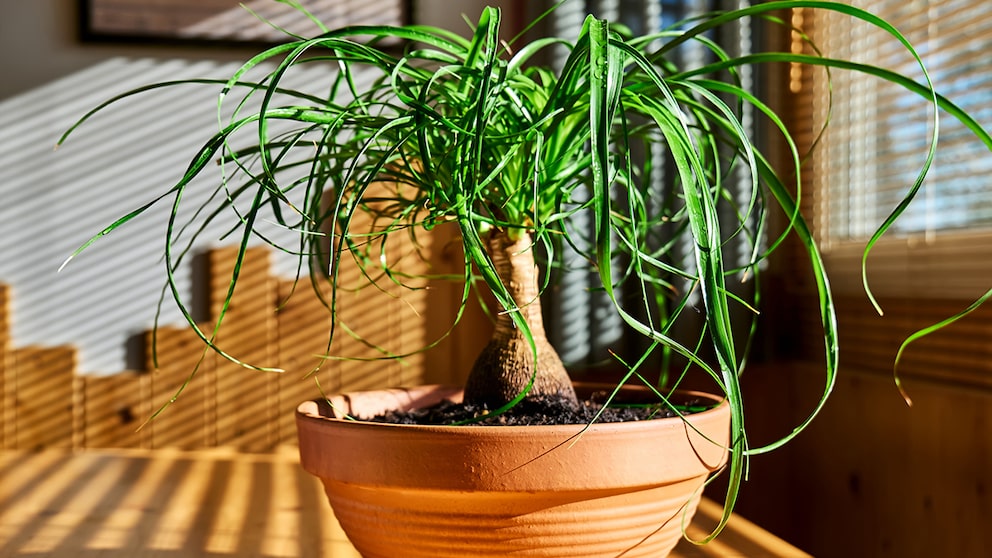
The elephant’s foot or ponytail palm (Beaucarnea recurvata) is a real eye-catcher with its thickened trunk and sweeping leaves. However, even this easy-care houseplant can occasionally benefit from a trim. myHOMEBOOK gardening expert Franka Kruse-Gering explains what to consider and how to do it.
Many plant enthusiasts eventually wonder whether and how to trim an elephant’s foot —I faced the same question some time ago. My elephant’s foot is about 20 years old and has had thrips that I couldn’t get rid of despite several attempts. Finally, I decided to prune it. However, there’s often uncertainty about this topic: Is pruning even necessary? And if so, how do you do it correctly without harming the plant? In this article, I take a close look at the topic and show step-by-step in a video what to consider when trimming and how my story ended.
Do You Need to Trim an Elephant’s Foot?
Generally, trimming an elephant’s foot is not strictly necessary. However, it may be needed if the plant is sick, growing unevenly, or infested with pests that can’t be controlled. In these cases, I would recommend trimming the elephant’s foot. For younger plants, pruning can also encourage branching.
The elephant’s foot is a very slow-growing plant, so you should carefully consider whether you want to trim it. It can take a long time, sometimes months, for new shoots to appear.
What to Consider When Trimming
The plant is not particularly sensitive, so you can be a bit more generous with the cut. However, you should not cut too close to the trunk. A good hand’s breadth below the leaves is recommended.
The cut should be as straight as possible to keep the resulting wound as small as possible. The right timing also plays an important role: It’s best to trim in the spring when the elephant’s foot is in its growth phase or just about to enter it. This way, the plant can recover particularly well from the pruning.
In fall and winter, you should not trim at all, as the plant is in its winter dormancy. Clean and especially sharp cutting tools are important. I used pruning shears that can easily cut through thicker branches.
What Happens After Trimming
After cutting off the branches, “bleeding” usually occurs, meaning plant sap seeps out. You must ensure that the cut surfaces remain dry, as they could rot otherwise. You should also avoid watering over the cut surfaces. Covering them is not advisable either. I simply let them air dry.
How to Prune a Monstera Without Causing Damage

How to Easily Propagate Lavender in Summer
What the Elephant’s Foot Needs to Recover
Pruning always means stress. After trimming my elephant’s foot, I placed it in a warm, bright spot in the living room, but not in direct sunlight. Now patience is required. Since the plant grows very slowly, it can take months for new shoots to appear.
Months of Uncertainty
After the trim, I was anxious and unsure for a long time whether I had done everything right. I know it can take months for the elephant’s foot to sprout again, but it’s hard to accept. I trimmed it in May, and I discovered the first green leaves in December. Mentally, I had already written off my plant—and then came the big surprise.
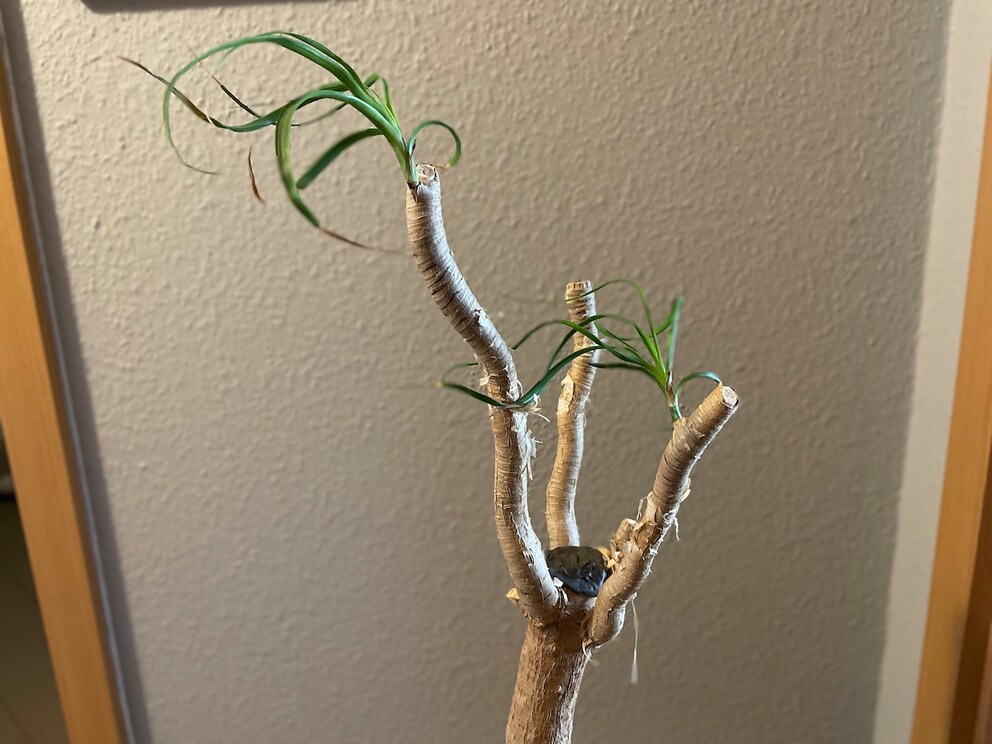
Unfortunately, it has remained that way so far. In the past six months, the foliage on my elephant’s foot hasn’t changed. I now hope for the best and that it will produce more leaves this spring and summer.