

May 8, 2026, 11:01 am | Read time: 4 minutes
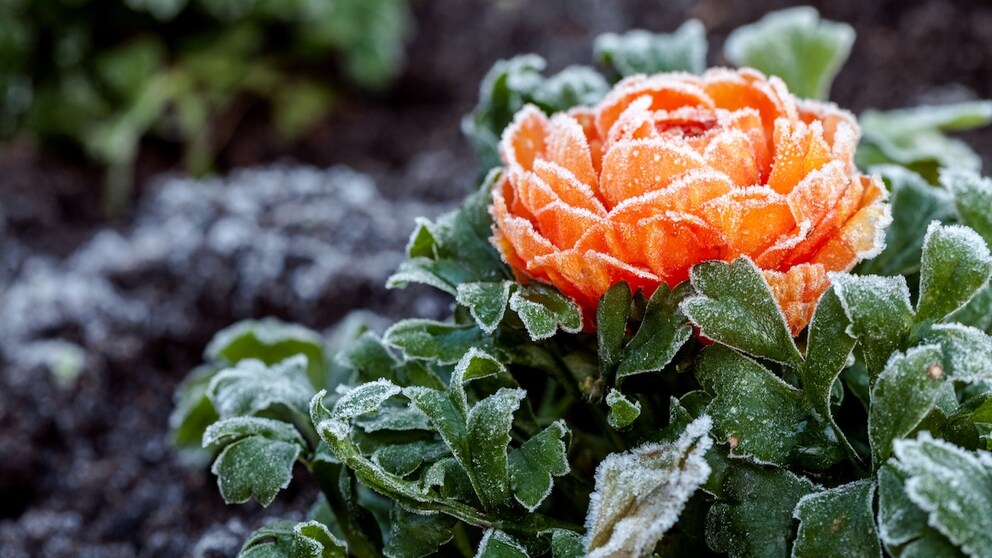
The Ice Saints refer to five consecutive days in May when temperatures can drop significantly, and frost is even possible. This cold spell can harm plants, so hobby gardeners should plan major gardening tasks after these days. To avoid having to protect sensitive plants again, it’s advisable to plant them outdoors only after these days.
Overview
Why Is Late Frost So Dangerous?
Besides late frost, there’s also spring frost, which can occur long after winter has ended. But what makes it dangerous? According to the German Weather Service (DWD), it is a frost that occurs after the start of the growing season. This poses a significant risk in gardens because plants, spurred by the spring sun, are already sprouting. Some are even blooming. Therefore, late frosts can cause damage, especially in fruit, vegetable, and wine cultivation, according to the DWD.
When Can You Bring Plants Outside?
For hobby gardeners, this means frost-sensitive plants, especially many types of vegetables, should be planted in the garden soil only after the potential late frost period. Cold-sensitive potted plants that were stored indoors during winter should only be taken outside when it’s warm enough. Alternatively, they can be brought back inside temporarily or wrapped in fleece for a frosty night.
When Are the Ice Saints?
The end of the late frost danger in Germany is traditionally marked by the so-called Ice Saints. These are feast days in honor of certain saints in May, after which subzero temperatures are statistically rare. The Ice Saints occur on the same days each year. In northern Germany, Mamertus, Pancras, and Servatius (May 11-13) are considered Ice Saints. In the south and southeast, Boniface (May 14) and “Cold Sophie” (May 15) are also included alongside Pancras and Servatius.
What Farmers’ Sayings Are There About the Ice Saints?
Numerous farmers’ sayings have been passed down around them, capturing the gardening rule:
- “If the Ice Saints pass without frost, farmers and winemakers cheer.”
- “Never plant before Cold Sophie.”
- “Pancras and Servatius are two bad brothers; what spring brought, they destroy again.”
- “Before Boniface, no summer; after Sophie, no frost.”

If the “Sheep Cold” Arrives, June Will Be …

Important for the garden! Will we get a golden October?
How Reliable Are the Ice Saints?
It often turns out that these days only provide a rough guide for potential late frost. In recent years, there have been significant cold snaps in May, causing major crop failures. Additionally, much more precise, scientifically based weather forecasts are available today, which garden owners can rely on more effectively.
And after the Ice Saints? Then the real work begins! Anyone who has been waiting for the frost danger to subside can start sowing, planting, and moving heavy potted plants from the house into the sun. The gardening season has officially begun!
What to Expect from the Ice Saints in 2026
This year, the Ice Saints are expected to be on time, according to the current status (May 7, 2026), explains Jörg Riemann from the Wettermanufaktur in response to a myHOMEBOOK inquiry. “The Ice Saints don’t come out of nowhere; they build up in advance, and that’s exactly the phase we’re in right now,” the expert explains. However, it is unlikely to be as severe as in recent years, reassures Riemann. “There is likely no frost in the air. However, frost can occur in the ground, provided we have clear nights.” This year, northern Germany and parts of the west, such as Lower Saxony, North Rhine-Westphalia, Hesse, and Rhineland-Palatinate, are particularly at risk.