


April 28, 2026, 8:24 am | Read time: 4 minutes
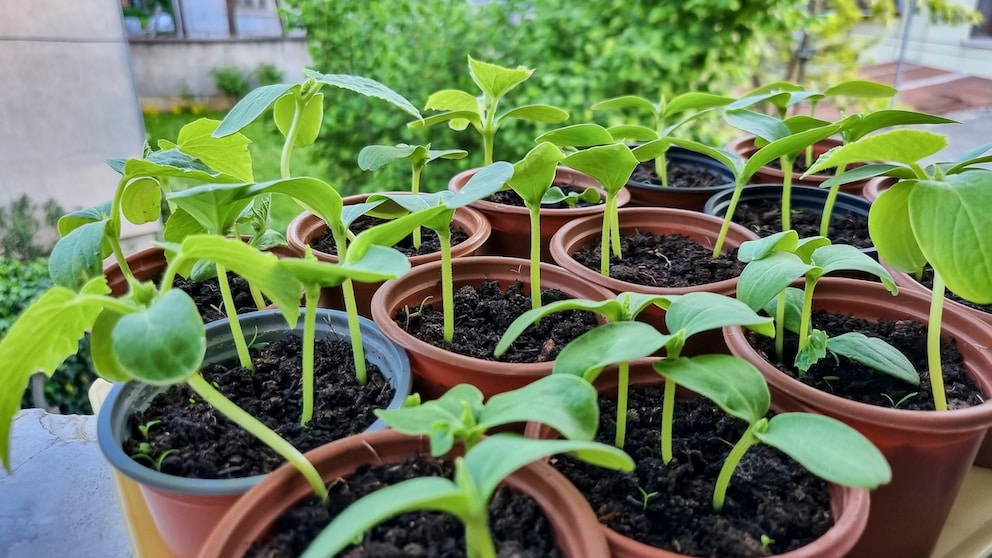
Tomato, pepper, or zucchini plants often grow into young plants on the windowsill for many hobby gardeners. myHOMEBOOK offers tips on how to best prepare them for the move outdoors.
May is finally here: The last frost nights leave a delicate frost over the garden. After that, planting and sowing can be done freely, as there is no longer a threat of frost damage. Even those who have painstakingly grown their own vegetable plants from seeds can now transplant them to their final location without worry. However, this move should not happen in a single day. We explain why you should harden vegetable plants in the following lines.
Overview
Why You Should Harden Vegetable Plants
Even the strongest young plants, which have grown from tiny seeds into already sizable plants on the windowsill or in the greenhouse over several weeks, do not handle an abrupt move from their nursery well. Outside conditions are quite different from those indoors. Wind and weather can pose the following challenges to young plants:
Instability
Apart from a little draft during occasional ventilation, it is windless in the house and apartment. Young plants grow without wind influence, and accordingly, their stems may be less stable. Especially in very bright and warm places like a south-facing window, tomatoes tend to grow rapidly. The stems then become particularly thin. If these young plants were moved directly into the bed from one day to the next, they could simply snap at the first gust of wind.
Cold and Heat Tolerance
More or less constant temperatures prevail in the living room. The young plants grown there are accustomed to this. Even though no night frosts threaten after the Ice Saints (a period in May), temperatures below five degrees can be challenging for heat-loving nightshade plants like tomatoes or peppers. During the day, however, the sun burns without protective window glass, directly affecting the leaves of the plants. These severe temperature differences are simply unfamiliar to the young plants.
Rain and Humidity
Similar to other climatic influences, rain and increased humidity can also lead to adjustment difficulties for young plants after a sudden move outdoors. Still-delicate, unstable plants can bend under a heavy downpour. High humidity can also promote fungal infections in plants that are even less resistant.
How to Harden Vegetable Plants
When moving from the windowsill or greenhouse to the open field, it is primarily the changed climatic conditions that make hardening vegetable plants necessary. Otherwise, the painstaking cultivation from seed to young plant may quickly be in vain. Therefore, gradually hardening the vegetable plants is the right way to successfully complete the move from indoors to outdoors. The following steps should be taken:
- Two-week period: Hobby gardeners should take about two weeks for the move of the plants. A time after the Ice Saints is ideal, when no frosts threaten.
- Initially, only for a few hours: At the beginning of hardening, place the vegetable plants for only a few hours in a wind-protected, warm spot in partial shade. It should not be pouring rain or have strong gusts of wind. Afterward, the plants return to the windowsill.
- Gradually increase to half days: After a few days of hourly hardening, the number of hours can be gradually increased.
- Allow more climatic influences: After a week, the young vegetable plants can tolerate a rain shower, some wind, or stronger sun. They can now stay outside all day and only need to be brought in at night.
- Moving to the open field: Finally, after about two weeks, the hardened vegetable plants can fully move to their final location. If cool nights are still expected, a protective fleece can provide warmth at night.

Cold Frame Eases Hardening
“Hobby gardeners who own a cold frame can consider themselves lucky. Here, the young vegetable plants are well protected by a translucent roof from cold snaps, strong sun, and also rain and wind. Nevertheless, the plants already feel the first influences of the open nature and can be slowly hardened. A move outdoors is often possible earlier than in gardens without a cold frame. Those with a raised bed can often complement it with custom-fit cold frame structures. Beds can be converted into cold frames with inexpensive foil tunnels.”