


June 5, 2023, 9:16 am | Read time: 2 minutes
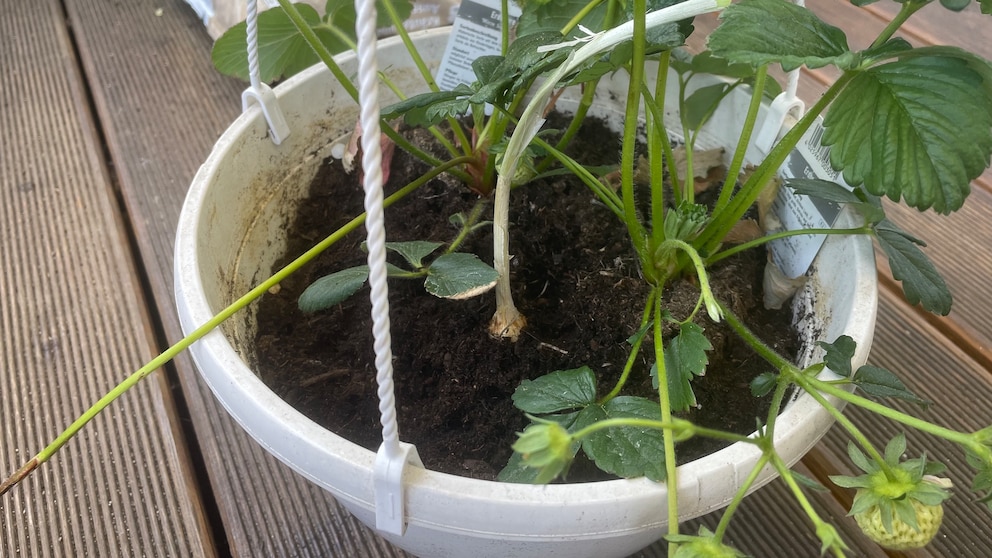
Strawberries and garlic–what might initially sound like an odd combination is actually a great trick in the garden or container. Strawberries and garlic are neighbors that can support each other.
Some love it, others hate it–garlic. It has its own unique taste and smell. But that’s exactly what makes it a perfect garden neighbor for strawberries. myHOMEBOOK explains the reasoning behind this.
Strawberries and Garlic Make a Lovely Pair
Whether strawberries and garlic go well together in dishes is debatable–tastes, as we know, vary. However, in the garden or container, they complement each other wonderfully and form a sensible mixed culture. Garlic can prevent fungal diseases. The reason is that garlic releases phytoncides. Strawberries are particularly susceptible to root rot, powdery mildew, and leaf spot diseases. Planting strawberries and garlic together significantly reduces the likelihood of fungal infections.
Phytoncides are volatile organic compounds that help prevent plants from rotting quickly or being eaten by insects and other animals.

Spots on Strawberry Leaves? Here’s What’s Behind It

Why You Should Plant Tomatoes and Basil Together
How to Plant Strawberries and Garlic
Planting strawberries and garlic is not difficult. For strawberries, ensure planting distances are about 40 centimeters. The best time is in the spring. However, since some strawberries bear fruit until early fall, you can also plant them in early summer in the garden or container.
Garlic can be planted at two different times: either in the fall or spring. Fall-planted winter garlic yields more but requires more care. If you’re trying the mixed culture of garlic and strawberries for the first time, you can plant regular garlic cloves between the strawberry plants. The desired success might be slightly less, but still noticeable.
Why Are Mixed Cultures So Beneficial?
In mixed cultures, plants are placed next to each other to support one another. Some plants, for example, only draw one nutrient from the soil, causing an imbalance. A suitable counterpart will take different nutrients from the soil. This prevents imbalance and ensures the soil is evenly utilized. Plants can also positively influence each other. The metabolic products of one plant can serve as fertilizer for another.