


July 18, 2023, 2:04 pm | Read time: 3 minutes
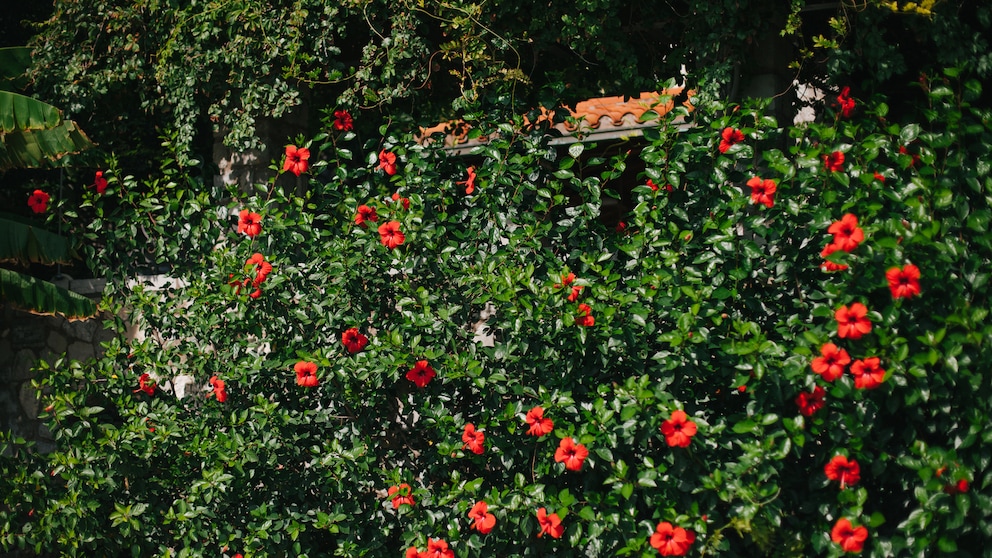
Hibiscus enriches any garden with its beautiful blooms. However, sometimes the buds may not open, or the flowers may fall off. If the hibiscus doesn’t bloom, there could be various reasons.
Its pretty flowers make the hibiscus a real eye-catcher in the garden. The disappointment is all the greater if the plant doesn’t bloom. To understand why the hibiscus isn’t blooming, you first need to distinguish whether it’s a garden hibiscus or a Chinese hibiscus, also known as a room hibiscus. These plants have different needs–and accordingly, the reasons for not blooming differ.
Hibiscus Needs Sufficient Nutrients
No matter the type of hibiscus–sufficient nutrients should always be present in the soil. Only then is a beautiful bloom guaranteed. Ideally, the soil should be rich in humus and partly clayey. In spring, you should also provide the hibiscus with some liquid fertilizer or compost to promote blooming.
Proper Watering
Whether in a pot or directly in the garden soil–too wet soil or waterlogging is a big problem for the hibiscus. The roots can rot if there’s too much moisture. But the opposite is also a problem: the plant doesn’t tolerate long periods of drought well either. Both overwatering and drought can lead to the hibiscus not blooming. Ideally, you should regularly check the substrate and keep it evenly moist.
Also interesting: 5 Reasons Why the Bougainvillea Isn’t Blooming
What to Do When the Peony Doesn’t Bloom

Why Chrysanthemums Aren’t Blooming: 3 Reasons
The Wrong Time for Pruning
The buds of the hibiscus form on new shoots. If you prune the plant too heavily or at the wrong time, you might accidentally remove the buds. Early spring is ideal for pruning the plant. A too-radical cut can result in the hibiscus not blooming the following year–but it will bloom all the more beautifully the year after.
Different Location Requirements
While hibiscus types have similar needs regarding nutrients, watering, and pruning, the situation is different when it comes to location. The garden hibiscus, also known as shrub hibiscus, needs full sun. The Chinese hibiscus, on the other hand, likes it bright but not sunny. So, you shouldn’t place the plant directly in the sun, but not too shady either.
For both types, the location rule is: they don’t like drafts. Ideally, the hibiscus should be in a sheltered spot, such as right against a house wall. If the plant is indoors, it shouldn’t be directly by an open window, and heating air isn’t ideal either. For hibiscus in a pot, you should also ensure it always has the same spot. If the light exposure changes, the plant may drop its buds and flowers.