


July 10, 2024, 4:12 am | Read time: 3 minutes
An air-to-air heat pump is versatile: It can cool rooms in the summer and heat them in the winter. However, there are also some disadvantages, as an expert explains.
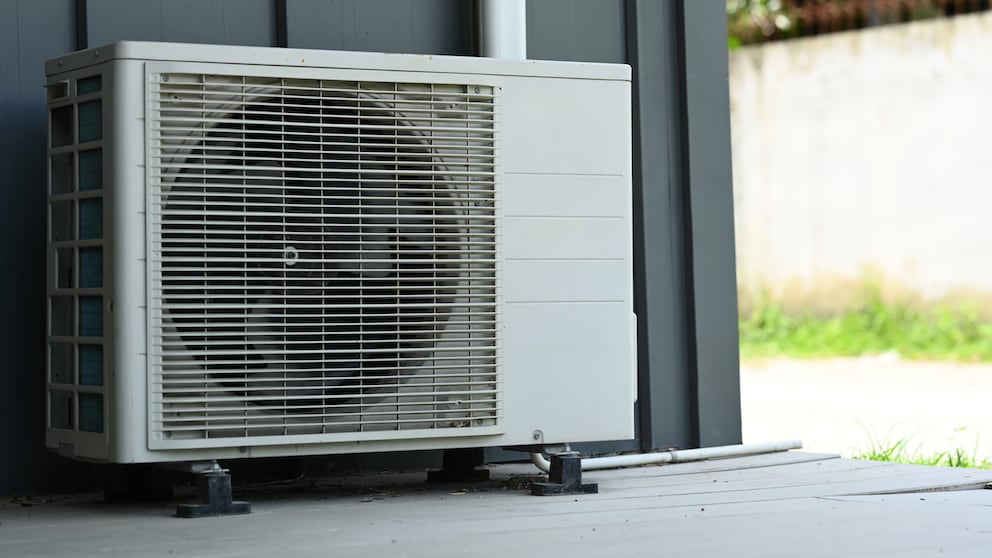
An air-to-air heat pump extracts heat from the outside air and uses it to warm the indoor air, eliminating the need for radiators and piping. A major advantage of this technology is that an air-to-air heat pump is significantly cheaper than the more well-known air-to-water heat pump in Germany. Additionally, it is also eligible for government subsidies.
Advertisement: Consumption check for heat pumps – An overview of electricity consumption per year, month, and day
An Option for Heating Replacement?
“Many people are currently looking for heating alternatives, and technically it is an option,” says Stefan Materne from the Consumer Center Energy Advisory Service. But how do these devices actually work?
An air-to-air heat pump uses the natural thermal energy from the surrounding air. It is important to distinguish between heat and temperature. “Anything warmer than absolute zero at minus 273.15 degrees Celsius generates heat,” explains Dr.-Ing. Matthias Wagnitz from the Central Association for Sanitation, Heating, and Air Conditioning in response to a myHOMEBOOK inquiry.
Some Disadvantages of Air-to-Air Heat Pumps
If homeowners are considering switching to an air-to-air heat pump, there are several factors to consider. The devices are mounted directly on the facade, and at least one unit is needed per residential unit, possibly more.
The pumps make noise, both outside and inside. Additionally, there is a draft during operation, which can be perceived as unpleasant and can stir up dust particles in the rooms.
Furthermore, an air-to-air heat pump does not provide hot water. Hot water must then be generated, for example, using electricity. The air-to-air heat pump also requires electricity. “If you have a new building with several heat pumps and hot water via electricity, you need a high electrical connection capacity,” says the energy expert. “You need to check with the supplier to see if that is available.” The cooling function of the pump in the summer consumes even more electricity. Additionally, the device must be regularly maintained and the filter changed.
Also interesting: How a geothermal heat pump works
The Pros and Cons of Radiant Floor Heating
The Best Heat Pumps According to Stiftung Warentest
The Cost of an Air-to-Air Heat Pump
Such a heat pump is somewhat cheaper than other types of heat pumps due to its simple design. The purchase price is around 10,000 euros. Installation costs add about 5,000 euros. In total, you should expect to spend around 15,000 euros. However, you should also inquire in advance about available subsidies for energy-efficient renovations.
Only Sensible in Specific Cases
The decision to use an air-to-air heat pump for heating depends on various factors, concludes Stefan Materne. They should only be used in well-insulated buildings. The lower the heating or cooling capacity, the smaller the device and the lower the investment and operating costs.
It is also important to determine, for example in a condominium, whether it is acceptable to hang devices on the facade and whether the noise directly at the house disturbs neighbors. Before making a decision, you should also calculate the costs. “You are switching to the fuel electricity–and that is expensive,” says Materne, advising to seek independent advice.

Efficiency Depends on Outside Temperature
“Air-to-air heat pumps are highly dependent on the corresponding outside temperatures. In winter, they are therefore less efficient, and electricity consumption increases. According to experts, they are primarily suitable for optimally insulated new buildings, especially low-energy or passive houses.”
With material from dpa